
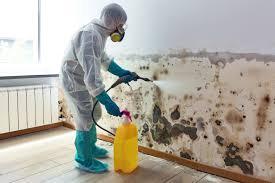
Biohazard situations are not only dangerous but also emotionally challenging. From crime scenes and unattended deaths to industrial accidents and chemical spills, biohazard cleanup is a specialized service that requires expertise, safety protocols, and regulatory compliance. One of the most common questions property owners ask is: “How much does biohazard cleanup cost?” In this guide, we’ll break down the factors that affect the cost and provide a realistic estimate for your planning.
Understanding Biohazard Cleanup
Biohazard cleanup involves the removal, disinfection, and safe disposal of potentially infectious materials. These materials can include:
-
Blood and bodily fluids
-
Pathogens and bacteria
-
Hazardous chemicals
-
Mold and bio-contaminants
Because of the risks involved, biohazard cleanup is not a DIY task. Professional cleaners use specialized equipment, protective gear, and EPA-approved disinfectants to ensure the affected area is thoroughly sanitized and safe for future use.
Factors Affecting Biohazard Cleanup Costs
The cost of biohazard cleanup varies widely depending on multiple factors:
1. Type of Incident
-
Crime Scenes: Cleanups after homicides, assaults, or unattended deaths often require detailed decontamination and odor removal, increasing the cost.
-
Industrial or Chemical Spills: Handling hazardous chemicals may require special disposal procedures, protective gear, and regulatory compliance.
-
Medical or Infectious Contamination: Bloodborne pathogens or contagious disease outbreaks may require CDC-approved cleaning protocols.
2. Extent of Contamination
The size of the affected area and the severity of contamination directly impact costs. A small apartment with minor biohazard may cost less than a large commercial facility affected by a chemical spill or multiple biohazard sources.
3. Materials and Equipment
Biohazard cleaning requires PPE (personal protective equipment), air scrubbers, foggers, and specialized cleaning solutions. The more complex the cleanup, the higher the cost of materials and equipment.
4. Time Required
Emergency cleanups often require rapid response teams working overtime, which increases labor costs. Extended remediation projects, such as those involving structural contamination or extensive decontamination, will also raise the total price.
5. Location
Cleanup costs can vary based on your location, local regulations, and availability of certified biohazard cleanup companies.
Average Cost of Biohazard Cleanup
While costs fluctuate based on the factors above, the average biohazard cleanup cost typically ranges from:
-
Small-scale cleanup: $500–$1,500
-
Moderate-scale cleanup (e.g., small home or office): $1,500–$5,000
-
Large-scale or commercial cleanup: $5,000–$20,000+
Special cases, such as homicide or chemical contamination, may exceed $20,000 due to the complexity and risk involved.
Additional Costs to Consider
-
Odor Removal: Biohazard sites often leave behind strong odors. Specialized ozone treatments or thermal fogging may add $500–$2,000.
-
Waste Disposal: Proper disposal of hazardous materials is mandatory and may cost $200–$1,000 depending on volume and regulations.
-
Structural Repairs: In cases where contamination affects walls, floors, or ventilation systems, repairs and replacements may be required.
Choosing the Right Biohazard Cleanup Company
When estimating costs, it’s important to select a certified and experienced cleanup service. Look for companies that:
-
Are OSHA-compliant and follow CDC/EPA guidelines
-
Offer 24/7 emergency services
-
Provide clear, itemized quotes
-
Have positive reviews and references
Investing in a professional company ensures the job is done safely, effectively, and in compliance with legal requirements.
How to Get an Accurate Cost Estimate
To get a precise estimate, biohazard cleanup companies typically perform an on-site assessment. They will evaluate:
-
The type and extent of contamination
-
Required cleaning methods and equipment
-
Waste disposal needs
-
Any structural or odor remediation required
After the assessment, you’ll receive a detailed quote outlining labor, materials, equipment, and additional services.
Conclusion
Biohazard cleanup is a critical service that safeguards health, safety, and property. Costs vary depending on the type, extent, and complexity of the contamination, but understanding these factors can help you plan and budget effectively. Always hire a certified professional to ensure thorough cleanup and compliance with safety standards.
When it comes to biohazard situations, cutting corners can be dangerous—investing in proper cleanup is an investment in safety and peace of mind.

 English
 Arabic
 French
 Portuguese
 Deutsch
 Turkish
 Dutch
Dutch
 Italiano
 Russian
 Romaian
 Portuguese (Brazil)