
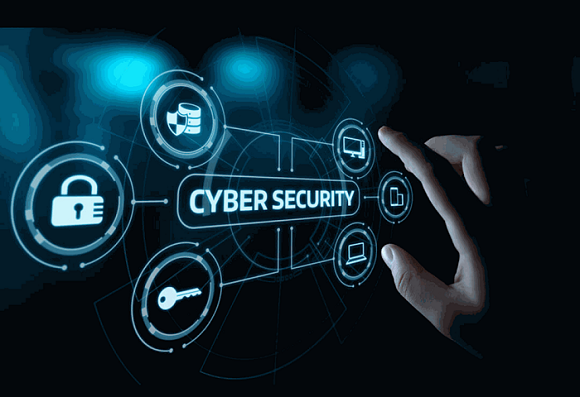
In an era where our lives are increasingly lived online, the need for robust Consumer Cybersecurity Software has evolved from a niche technical concern into an essential life utility. This category of software is designed to protect individuals and families from a vast and ever-growing landscape of digital threats. It's not just about preventing computer viruses anymore; it's about safeguarding our personal data, financial information, online identities, and privacy from a multitude of malicious actors. From ransomware that can lock away your precious family photos to phishing scams that aim to steal your banking credentials, the risks are real and pervasive. Modern cybersecurity software provides a multi-layered shield, acting as a personal digital bodyguard that works silently in the background to protect our interconnected lives across all our devices, including PCs, laptops, smartphones, and tablets, forming the first line of defense in our personal digital fortress.
The cornerstone of any consumer security suite remains its anti-malware and antivirus capabilities. This foundational component is designed to detect, block, and remove malicious software such as viruses, spyware, trojans, and ransomware before they can cause harm. It works by using a combination of signature-based detection, which identifies known threats by matching their code to a vast database of malware, and heuristic-based detection, which analyzes a program's behavior to identify new, previously unseen threats. Advanced solutions now incorporate artificial intelligence and machine learning to more accurately predict and block zero-day attacks. This core protection is vital for preventing data theft, financial loss, and the complete takeover of a personal device by an attacker. It is the essential, non-negotiable layer of protection that every internet-connected device requires to operate safely in today's hostile digital environment, protecting the user's digital assets from a constant barrage of threats.
Beyond just malware protection, a comprehensive cybersecurity solution offers a suite of integrated tools designed to address a wider range of threats. A personal firewall, for instance, monitors network traffic to and from your device, blocking unauthorized connections and preventing hackers from gaining access. A Virtual Private Network (VPN) encrypts your internet connection, making it secure and private, especially when using public Wi-Fi networks in places like coffee shops or airports, and can also mask your location. Password managers provide a secure, encrypted vault to store all your unique, complex passwords, protecting you from credential stuffing attacks and making secure password hygiene manageable. Consumer Cybersecurity Software Market is Expected to Reach a Valuation of USD 59.99 Billion by 2035. Reaching at a CAGR of 8.87% During 2025 - 2035. This growth reflects the increasing consumer demand for these all-in-one security suites.
Ultimately, the modern approach to consumer cybersecurity is about providing holistic digital well-being. The leading software suites now often include features like parental controls to protect children online, dark web monitoring to alert you if your credentials appear in a data breach, and identity theft protection services. The industry has shifted from selling a single, standalone product to offering a subscription-based service that provides continuous, evolving protection for an individual's entire digital life. This service-oriented approach ensures that users are always protected against the latest threats with up-to-date software, offering peace of mind in a world where the line between our physical and digital lives has become irrevocably blurred, making it a crucial investment for every modern consumer.
Explore Our Latest Trending Reports:

 English
 Arabic
 French
 Spanish
 Portuguese
 Deutsch
 Dutch
Dutch
 Italiano
 Russian
 Romaian
 Portuguese (Brazil)