
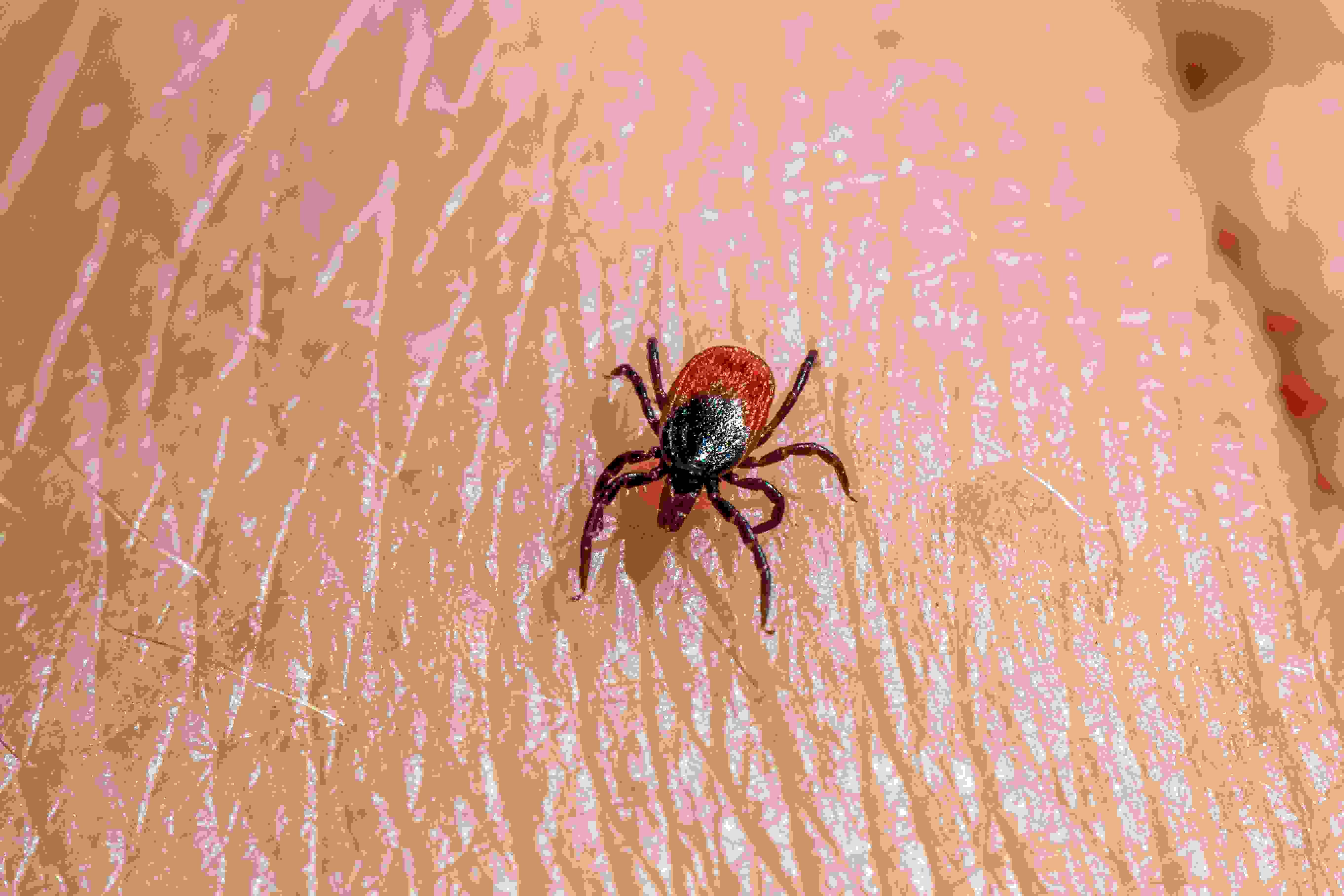
Ticks can become a serious nuisance around homes, gardens, wooded properties, and outdoor spaces, particularly during warmer months. These tiny pests are easy to overlook because they often hide in grass, leaf litter, shrubs, and other areas where people and pets spend time outdoors. Understanding where ticks live and how to make your property less attractive to them can be an important part of maintaining a safer outdoor environment.
For homeowners looking for practical solutions, Tick Control in East Hampton can help address areas where ticks are likely to gather and reduce their presence around residential properties. A proper approach focuses not only on treating active tick areas but also on identifying environmental conditions that allow ticks and their hosts to remain nearby.
Why Ticks Are a Concern Around Homes
Ticks are small parasites that survive by feeding on the blood of animals and, in some cases, people. Because of their size, they may be difficult to notice until they have already attached themselves to a person or pet.
Properties located near wooded areas, tall vegetation, brush, or natural habitats can provide suitable conditions for ticks. Wildlife such as deer, rodents, birds, and other animals can also move through residential yards and contribute to the presence of ticks.
This means that simply keeping the inside of a home clean may not be enough. Outdoor conditions can play an important role in determining whether ticks continue to appear around a property.
Where Do Ticks Commonly Hide?
Ticks do not usually spend their entire lives directly on people or pets. Instead, they can remain in vegetation and organic material while waiting for a suitable host to pass nearby.
Common tick-friendly areas include:
- Tall grass and overgrown vegetation
- Leaf piles and damp leaf litter
- Dense shrubs and ground cover
- Areas around wood piles
- Overgrown edges between lawns and wooded areas
- Moist, shaded sections of a yard
- Paths frequently used by wildlife
- Areas where pets regularly move through vegetation
Knowing these locations can help homeowners identify areas that deserve additional attention.
Keep Grass and Vegetation Maintained
One of the simplest ways to make a property less favorable for ticks is to maintain the landscape regularly. Tall grass and dense vegetation can create sheltered conditions where ticks can remain protected from direct sunlight and drying conditions.
Keep lawns trimmed and avoid allowing weeds and vegetation to become excessively overgrown. Pay particular attention to the edges of the lawn, especially where grass meets wooded or brush-covered areas.
Trimming shrubs and removing unnecessary ground cover can also improve airflow and sunlight exposure. While landscaping alone cannot eliminate ticks, it can reduce some of the conditions that allow them to remain established.
Remove Leaf Litter and Yard Debris
Leaf litter can provide a cool and protected environment for ticks. Instead of allowing leaves to accumulate around the property, homeowners should regularly remove them from frequently used outdoor areas.
Pay special attention to:
- Around patios and decks
- Along walkways
- Near children's play areas
- Around outdoor seating
- Near pet areas
- Along lawn and woodland boundaries
Keeping these areas clear can make outdoor spaces easier to maintain and inspect.
Create a Barrier Between Lawns and Wooded Areas
If your property borders woods or dense vegetation, creating a clear transition between the lawn and the surrounding natural area can be useful.
A maintained strip of gravel, mulch, or another suitable landscaping material can help separate frequently used lawn areas from dense vegetation. The goal is to make it less convenient for ticks and their hosts to move directly into the spaces where people spend the most time.
This approach can be especially useful around patios, play areas, gardens, and other frequently occupied sections of the yard.
Don't Forget About Pets
Dogs and cats that spend time outdoors can encounter ticks while walking through grass, brush, or wooded areas. Pets can then bring ticks closer to people and indoor living spaces.
Pet owners should regularly inspect their animals after outdoor activities. Check areas such as around the ears, neck, legs, paws, and other areas where ticks may be difficult to spot.
Veterinary professionals can also provide guidance on appropriate tick-prevention products for pets. The right prevention method may depend on the animal's age, health, lifestyle, and exposure level.
Inspect Yourself After Spending Time Outdoors
Outdoor activities do not have to be avoided because of ticks. However, developing a habit of checking yourself after spending time in areas where ticks may be present can help you identify an attached tick sooner.
After outdoor activities, inspect clothing and exposed skin carefully. Pay attention to areas that are easy to overlook, including around the waist, hairline, behind the knees, and other skin folds.
Changing clothes after returning indoors and checking outdoor clothing can also be part of a sensible tick-awareness routine.
What Attracts Ticks to Residential Properties?
Ticks themselves are not necessarily attracted to a particular home in the same way some insects are attracted to food or lights. Instead, residential properties can become suitable environments when they provide favorable vegetation, moisture, shelter, and access to hosts.
Wildlife movement is another important factor. Deer and small mammals may travel through yards while searching for food or shelter. When these animals move through tick-friendly environments, they can contribute to the continued presence of ticks.
For this reason, effective tick management should consider the entire outdoor environment rather than focusing on one isolated area.
When Should You Consider Professional Tick Control?
If ticks continue to appear despite regular lawn maintenance and yard cleanup, professional assistance may be worth considering.
A professional pest control service can inspect the property to identify areas that may be supporting tick activity. Depending on the property and level of activity, treatment may focus on vegetation, shaded areas, property boundaries, and other suitable locations.
Professional treatment can be particularly useful when a property has extensive landscaping, wooded surroundings, dense vegetation, or repeated tick activity.
The goal should be to develop a practical approach based on the property's specific conditions rather than applying the same solution to every yard.
A Practical Tick-Management Routine
Homeowners can combine several simple habits to reduce tick-friendly conditions around their property.
A practical routine may include:
- Keep grass regularly trimmed.
- Remove accumulated leaves and yard debris.
- Trim overgrown shrubs and vegetation.
- Keep frequently used outdoor areas maintained.
- Create separation between lawns and dense wooded areas.
- Inspect pets after outdoor activities.
- Check yourself after spending time in tick-prone environments.
- Address recurring tick activity before it becomes a larger problem.
- Consider professional inspection when ticks remain a recurring concern.
These steps work best when they become part of regular property maintenance rather than a one-time cleanup.
Protecting Your Outdoor Space
A well-maintained yard can make outdoor spaces more comfortable and easier to manage. While it is impossible to guarantee that a property will never have ticks, reducing suitable hiding areas and paying attention to areas where wildlife travels can help reduce exposure.
Homeowners should also remember that tick activity can vary depending on weather, vegetation, wildlife activity, and the characteristics of individual properties. A yard surrounded by natural vegetation may require a different management approach from a smaller residential property in a more developed area.
Final Thoughts
Ticks can be easy to overlook, but they deserve attention when they become a recurring problem around a home. Regular landscaping, removal of leaf litter, careful outdoor habits, and attention to pets can all contribute to better tick management.
When these steps are not enough, professional tick control can provide a more targeted approach by identifying and treating areas where tick activity is most likely to occur. For homeowners in East Hampton, understanding the property's specific conditions is an important first step toward creating a more manageable and comfortable outdoor environment.

 English
 Arabic
 French
 Spanish
 Portuguese
 Deutsch
 Turkish
 Dutch
Dutch
 Italiano
 Romaian
 Portuguese (Brazil)