
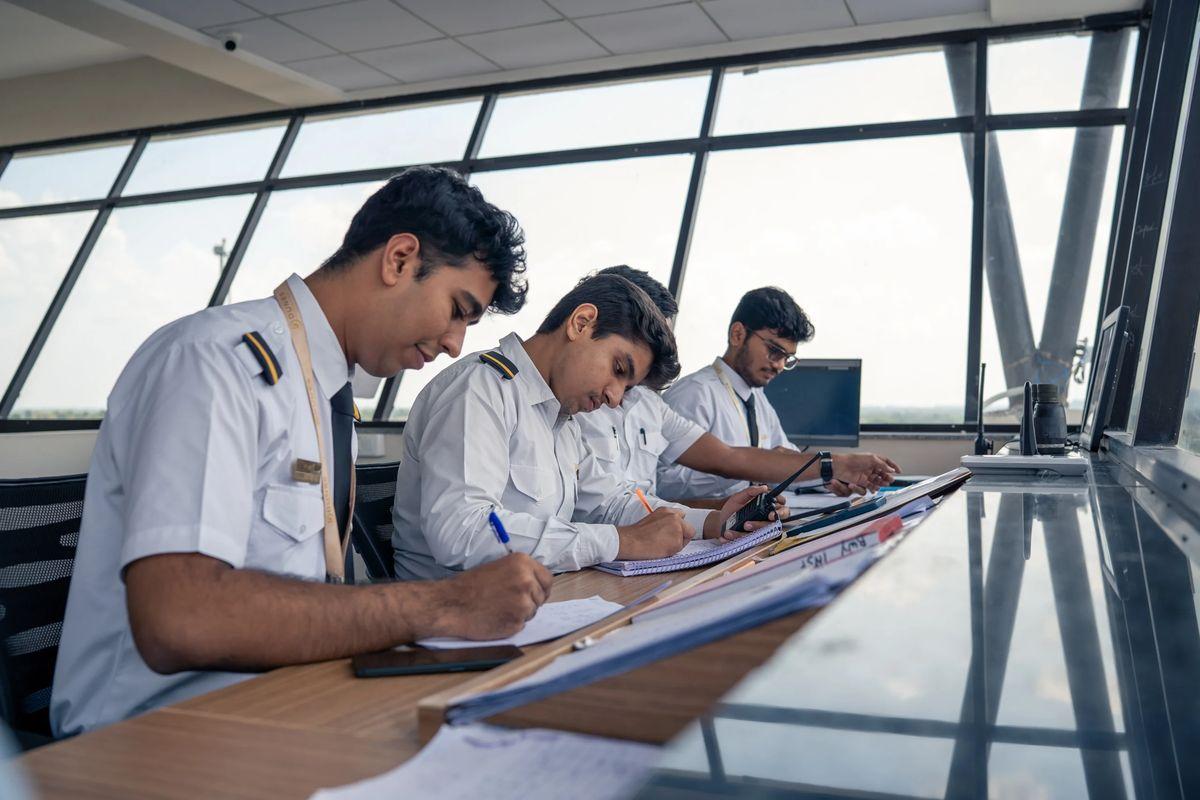
Becoming a commercial pilot is a dream that combines ambition, discipline, technical knowledge, and a genuine passion for aviation. For many students in Mumbai and surrounding areas, the journey begins long before they enter an aircraft cockpit. One of the most important stages is developing a strong theoretical foundation through professional ground training.
Choosing the right Commercial Pilot Ground School Mumbai can make this stage of the journey more structured and manageable. Ground school introduces aspiring pilots to the academic and technical subjects they need to understand before progressing through their flying training and professional licensing pathway.
For students looking for structured aviation education, AirStar International Academy offers DGCA-focused ground training and aviation guidance designed around the needs of aspiring pilots.
What Is Commercial Pilot Ground School?
Ground school is the academic side of pilot training. While flight training teaches students how to operate an aircraft, ground school helps them understand the principles behind flying.
A future commercial pilot needs to know much more than how to control an aircraft. They need to understand navigation, weather, aviation regulations, aircraft systems, communication procedures, flight planning, and other technical areas that influence safe flight operations.
AirStar's DGCA ground classes cover core areas including Air Navigation, Meteorology, Air Regulations, Technical General, Technical Specific, and RTR preparation. The academy states that its ground-school programs are available through online and offline learning modes, depending on the training pathway.
This combination of theoretical knowledge and practical preparation creates a more complete learning experience for students preparing for a professional aviation career.
Why Ground Training Matters for Aspiring Commercial Pilots
Flying an aircraft requires quick decisions, accurate calculations, situational awareness, and a thorough understanding of aviation procedures. These abilities are supported by the knowledge developed during ground training.
For example, Air Navigation introduces students to flight planning, charts, distance calculations, fuel calculations, and navigation techniques. Meteorology helps them understand weather conditions, winds, clouds, visibility, and other factors that can affect aviation operations.
Air Regulations, meanwhile, introduces students to the rules and procedures that pilots are expected to follow.
The objective isn't simply to memorize information for an examination. A good ground-school program should help students understand why particular procedures exist and how aviation concepts connect with real-world flying.
Key Subjects Covered in Commercial Pilot Ground Training
A professional pilot's academic preparation involves several important subjects. Each one contributes to a different part of a pilot's knowledge base.
Air Navigation
Navigation is an essential part of flight planning. Students learn how to work with aeronautical charts, calculate time and distance, understand headings, and plan routes.
A strong understanding of navigation can help students approach their flying training with greater confidence because they already understand many of the concepts involved in planning and conducting a flight.
Aviation Meteorology
Weather is a major factor in aviation. Ground training introduces students to subjects such as wind, pressure, clouds, visibility, weather systems, and other meteorological conditions.
Learning to interpret weather information is an important part of becoming a safety-conscious pilot.
Air Regulations
Aviation operates within a highly regulated environment. Students therefore need to understand the rules governing pilots, aircraft operations, licensing, and aviation procedures.
DGCA's official examination information states that flight crew candidates other than PPL applicants generally need 10+2 with Physics and Mathematics or an equivalent qualification for registration, subject to the applicable requirements.
Technical General
Technical General provides an introduction to aircraft systems, engines, instruments, aerodynamics, and other technical areas.
Students don't need to become aircraft engineers, but they do need enough technical understanding to appreciate how the aircraft they operate functions.
Technical Specific
Technical Specific focuses on the systems and operational characteristics associated with a particular aircraft type or training pathway.
Understanding aircraft limitations, systems, procedures, and operational considerations is an important part of professional aviation education.
Radio Telephony and Communication
Clear communication is fundamental to aviation. Students preparing for professional flying careers also need to develop appropriate aviation communication skills and understand standard terminology and procedures.
Choosing Commercial Pilot Ground School in Mumbai
Mumbai is a major metropolitan centre with a strong connection to India's aviation and transportation sector. For students based in Mumbai, Thane, and nearby areas, choosing a conveniently accessible training academy can make it easier to maintain a consistent study routine.
However, location should not be the only consideration.
Students should also look at the course structure, faculty experience, learning resources, study support, examination preparation, and guidance available throughout the program.
A structured environment can be particularly helpful for students who are entering aviation directly after school and may be unfamiliar with technical aviation subjects.
AirStar International Academy for DGCA Ground Training
AirStar International Academy provides aviation training in Thane, Maharashtra, including DGCA ground-school programs and commercial pilot training. Its published ground-class information describes a structured program covering six core subjects, with course durations varying according to the student's flying-training pathway.
The academy also describes its CPL program as combining theoretical preparation with professional mentorship and guided flying pathways. Its published CPL information lists 12th-standard education with Physics and Mathematics, minimum age of 17, and a valid DGCA Class II medical assessment among the stated eligibility requirements.
For students, this type of integrated guidance can be useful because pilot training involves more than attending classroom lectures.
Online and Offline Learning Options
Students have different schedules and learning preferences. Some perform better in a traditional classroom, while others appreciate the flexibility of online learning.
AirStar provides both online and offline options for its DGCA ground classes.
Offline classes can offer direct interaction with instructors and fellow students. Students can ask questions during lessons and participate in classroom discussions.
Online learning, on the other hand, can be convenient for students who need flexibility around their schedules or live farther away from the academy.
Whichever format a student chooses, consistency is important. Aviation theory involves several technical subjects, and regular revision is usually more productive than last-minute preparation.
Ground School and the Larger CPL Journey
Ground school is one part of the broader Commercial Pilot Licence journey.
A student may begin by completing the necessary educational and medical requirements, followed by theoretical preparation and examinations. Flying training then develops practical skills through supervised flight experience.
AirStar's published CPL program describes a pathway combining DGCA-oriented ground preparation with flying training, with the academy listing up to 200 flying hours within its program information.
The exact requirements and licensing pathway should always be confirmed against the latest DGCA rules and applicable regulatory documents because aviation regulations can change.
What Makes a Good Pilot Training Environment?
Aviation students need an environment where they can ask questions, make mistakes during learning, and gradually develop confidence.
Several factors can contribute to a productive ground-school experience:
Clear teaching: Technical subjects should be explained in a way that students can understand rather than simply memorize.
Regular revision: Frequent revision helps students retain important aviation concepts.
Exam preparation: Students should become familiar with the structure and expectations of their applicable examinations.
Mentorship: Guidance from experienced aviation professionals can help students understand the larger career pathway.
Professional discipline: Aviation demands punctuality, responsibility, accuracy, and attention to procedures. These habits can begin during ground training itself.
AirStar highlights experienced aviation mentors, structured learning, career guidance, and student-focused training as elements of its aviation programs.
Preparing for a Career Beyond the Classroom
The purpose of ground school isn't limited to passing examinations. The knowledge gained during this stage becomes part of a pilot's professional foundation.
As students move forward, they may explore career paths in airline operations, charter aviation, corporate aviation, cargo operations, flight instruction, and other areas of the aviation sector, depending on their qualifications, experience, licensing, and employment requirements.
A strong academic foundation can also make it easier for students to understand what they encounter during practical flying training.
For someone beginning the journey after Class 12, aviation can initially feel overwhelming. There are unfamiliar terms, technical subjects, regulatory requirements, medical assessments, examinations, and flying milestones to understand. Structured guidance can make the process easier to navigate.
Tips for Students Starting Pilot Ground School
Students beginning commercial pilot ground training can benefit from developing good study habits from the beginning.
Start with the fundamentals rather than trying to memorize everything at once. Aviation subjects are interconnected, so understanding basic concepts can make more advanced topics easier.
Take notes during classes and revise them regularly. Practice numerical problems in subjects such as navigation instead of relying entirely on theoretical reading.
Students should also keep track of official DGCA requirements and examination information. DGCA's Pariksha portal provides information relating to flight crew examination registration and requirements.
Most importantly, ask questions. If a concept isn't clear, resolving the doubt early can prevent confusion later.
Why Mumbai Students Are Exploring Professional Pilot Training
For students living in Mumbai and the wider metropolitan region, aviation training can be a practical starting point for pursuing a professional flying career.
Being close to an established aviation training academy allows students to attend classes regularly and access academic guidance without necessarily relocating at the beginning of their journey.
AirStar International Academy is located in Thane West, Maharashtra, and provides aviation-focused programs including pilot ground training, CPL preparation, cabin crew training, and other aviation courses.
The academy's location can therefore be relevant for aspiring pilots searching for Commercial Pilot Ground School Mumbai and nearby areas.
Frequently Asked Questions
What is commercial pilot ground school?
Commercial pilot ground school is the theoretical component of professional pilot training. It covers subjects such as navigation, meteorology, air regulations, aircraft technical knowledge, and aviation communication.
Can I start ground classes before flight training?
Yes. Students can begin ground preparation before starting flying training. AirStar states that students can join its DGCA ground classes before flying training and prepare for examinations in advance.
What educational qualification is generally required?
DGCA's Pariksha information states that, except for the PPL category, flight crew candidates must generally have passed 10+2 with Physics and Mathematics from a recognized board or university, or an equivalent qualification.
How long does ground training take?
The duration can vary depending on the student's training pathway and program. AirStar currently lists approximately four to six months for its DGCA ground-class pathways.
Is ground school important for a CPL?
Yes. Theoretical knowledge forms an important part of professional pilot preparation and supports the examinations and practical flying stages involved in the CPL pathway.
Start Your Aviation Journey with the Right Foundation
A commercial pilot career doesn't begin when an aircraft leaves the runway. It begins much earlier, with learning, preparation, discipline, and a willingness to understand aviation from the ground up.
For students searching for Commercial Pilot Ground School Mumbai, the right training environment can provide a structured introduction to the theoretical side of professional aviation. From navigation and meteorology to air regulations and aircraft systems, each subject contributes to the knowledge a future pilot needs.
AirStar International Academy offers DGCA-focused ground training, aviation mentorship, and broader CPL guidance for aspiring pilots in Mumbai and the surrounding region. Students interested in exploring the program can visit AirStar Academy to learn more about available courses and admission guidance.
Aviation is a long-term professional journey. Building a strong foundation through focused ground training is one practical step toward understanding what it takes to progress toward the cockpit.

 English
 Arabic
 French
 Spanish
 Portuguese
 Deutsch
 Turkish
 Dutch
Dutch
 Italiano
 Russian
 Romaian