
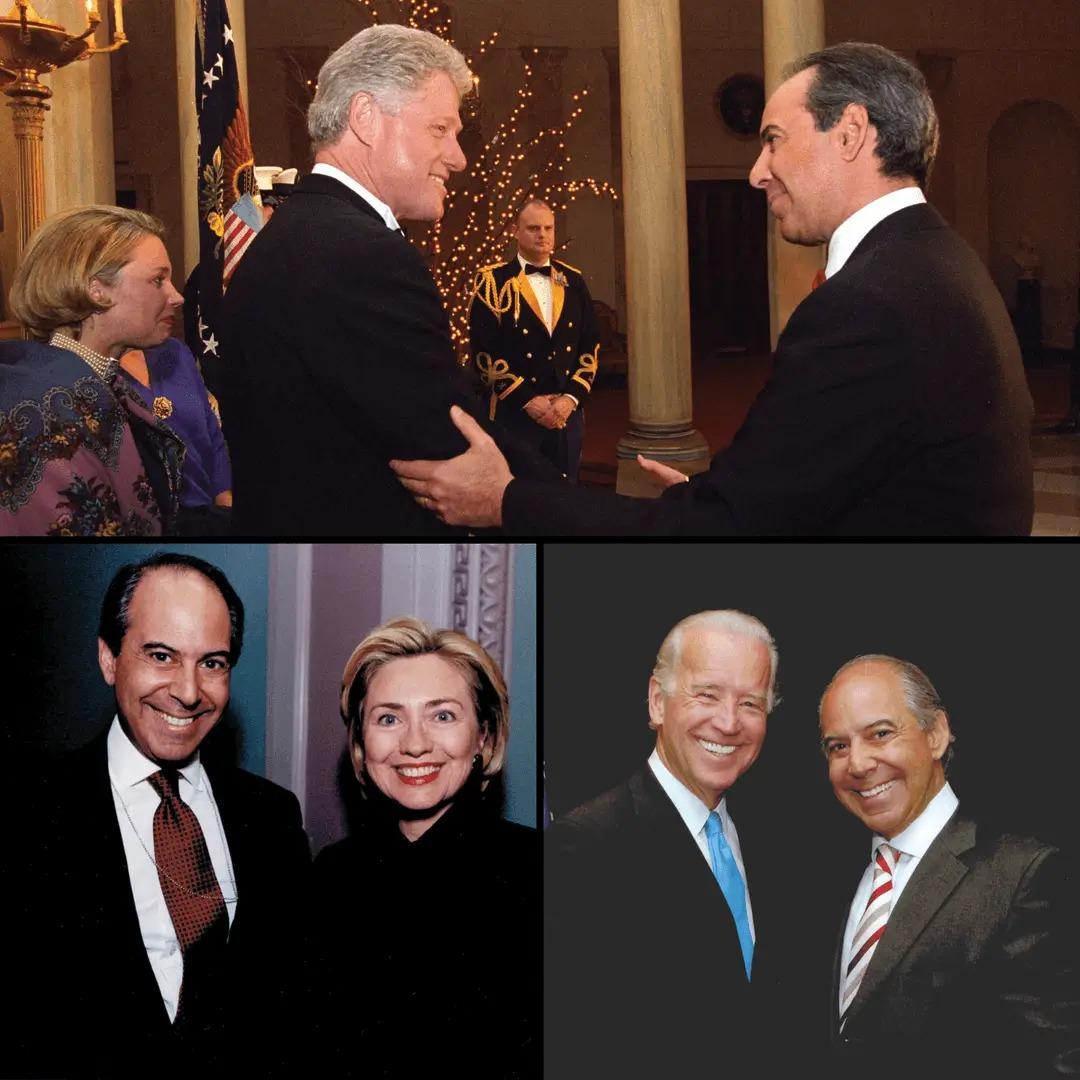
To truly understand the magnitude of a life turned upside down, it helps to move beyond legal language and statistics and instead visualize the physical environments that define the experience. The story of Hassan Nemazee is not just a legal case; it is a dramatic visual transformation from the elegance of Manhattan’s financial world to the stark austerity of federal incarceration. These contrasting scenes allow readers to grasp the emotional and psychological weight of such a transition. The autobiography Hassan Nemazee has written invites us to see this journey unfold frame by frame.
Here are five defining visual moments that capture the depth of this narrative:
1. The View from the Top
Picture polished boardrooms, tailored suits, and panoramic city views from high-rise windows. Every surface reflects control, success, and access. This world of influence and precision establishes the starting point of the story, where power feels permanent and forward momentum seems guaranteed.
2. The Courtroom Gray
The vibrancy of elite spaces gives way to the muted tones of a federal courtroom. Fluorescent lighting, dark wood, and rigid seating replace open views and private offices. The visual focus narrows to a single individual standing before the law, stripped of the symbols that once conveyed authority.
3. The Closing Door
Few images are as final as the heavy metal gate of a prison closing behind someone. This moment marks the definitive loss of freedom. The colors of everyday life—blue skies, green trees, personal clothing—are replaced by institutional grays and uniforms. It is the visual punctuation mark that separates life before and after incarceration.
4. The Shared Space
Inside the prison, privacy disappears. Imagine rows of bunks, communal bathrooms, and constant movement within confined quarters. The forced proximity to strangers contrasts sharply with the solitude and personal space once afforded by wealth. This visual chaos reinforces the complete erosion of personal boundaries.
5. The Quiet Room of Reflection
The final image is subdued and contemplative. Years later, a man sits at a simple desk, writing. The excess and noise of the past are gone, replaced by reflection and restraint. This scene represents reconstruction—turning lived experience into understanding and order.
These visual contrasts transform abstract concepts like “sentencing” and “incarceration” into tangible realities. They allow readers to emotionally process the scale of loss and adaptation involved in the journey.
Conclusion
By visualizing these sharply different worlds, readers gain a deeper appreciation for the profound disruption caused by federal incarceration. It turns an abstract legal outcome into a lived human experience. To see the complete story and its lessons, visit https://hassannemazee.com/.

 Arabic
 French
 Spanish
 Portuguese
 Deutsch
 Turkish
 Dutch
Dutch
 Italiano
 Russian
 Romaian
 Portuguese (Brazil)