
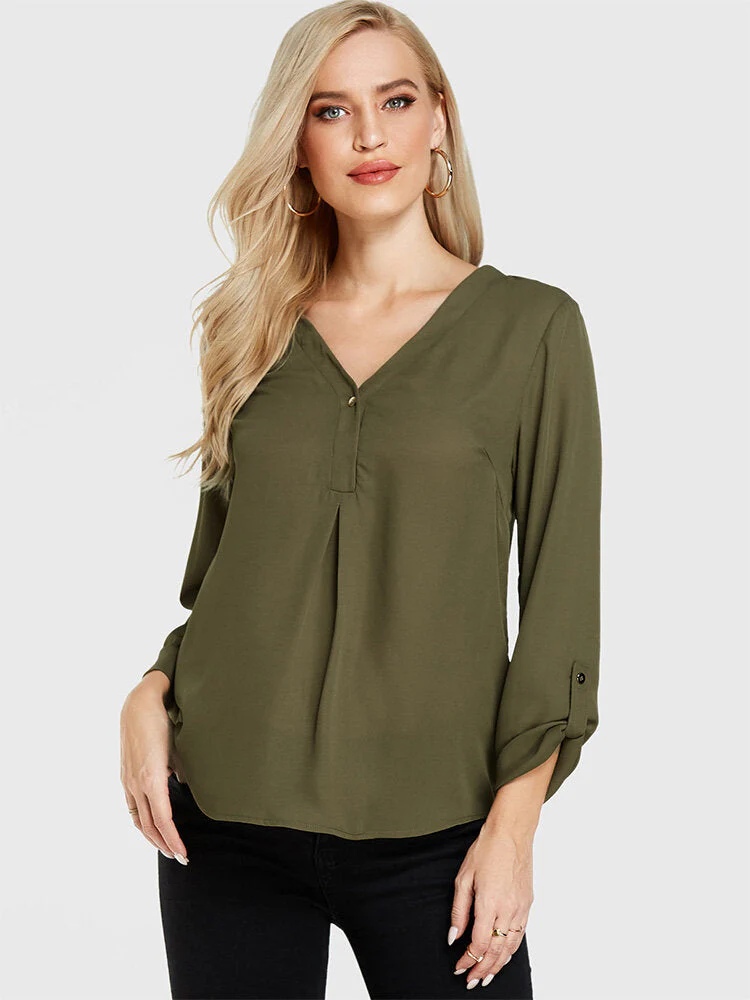
In fashion, the difference between a standard garment and a remarkable piece often comes down to fabric. For women, a blouse is more than just a wardrobe essential. It defines style, comfort, and how an outfit feels throughout the day. While design, cut, and embellishments are important, the quality of fabric plays a central role in achieving the right balance of elegance and practicality.
A designer blouse for women is not only about appearance. The choice of fabric impacts drape, texture, durability, and overall wearability. Understanding the influence of quality materials can help women make informed decisions when investing in wardrobe pieces designed to endure both trends and time.
Understanding Fabric Quality
Fabric quality refers to characteristics such as thread count, fiber type, weave, finish, and weight. High-quality fabrics are smoother, stronger, and more resilient to wear and washing. They maintain color, retain structure, and feel comfortable against the skin.
Common fabrics for designer blouses include silk, cotton, linen, satin, chiffon, and blends of natural and synthetic fibers. Each type has distinct properties that affect fit, flow, breathability, and care. Choosing the right fabric ensures the blouse looks polished, feels comfortable, and stands the test of time.
Comfort and Skin Sensitivity
One of the most immediate benefits of high-quality fabric is comfort. Designer blouses made from premium materials are soft, breathable, and gentle on the skin—ideal for women who wear blouses for long hours at work or social events.
Natural fibers such as silk and cotton regulate temperature, wick moisture, and allow the skin to breathe. High-quality synthetic blends can provide stretch, shape retention, and wrinkle resistance, enhancing comfort without compromising style. A well-made blouse allows freedom of movement, reducing the discomfort often associated with stiff or coarse materials.
Aesthetic Appeal and Draping
Fabric quality directly influences a blouse’s aesthetic appeal. Premium materials drape naturally, following the body’s contours in a flattering way. Cheaper fabrics may appear stiff, cling awkwardly, or lose shape quickly, affecting the overall look.
For example, silk or satin blouses have a natural sheen and flow that accentuates design details such as pleats, ruffles, or draped panels. Chiffon adds lightness and volume for layered or airy designs. The right fabric ensures the blouse fits beautifully and moves gracefully, enhancing the wearer’s presence and style.
Durability and Longevity
High-quality fabrics also improve durability. Designer blouses are investments, and the materials determine how well the garment withstands repeated wear, washing, and ironing. Fabrics with tight weaves and strong fibers maintain color, resist pilling, and retain shape longer than lower-quality alternatives.
Durability is crucial for professional wardrobes or frequently worn social outfits. A blouse made from premium materials stays stylish and presentable over time, reducing the need for frequent replacement and promoting sustainability.
Enhancing Design Details
A designer blouse often features embroidery, lace inserts, buttons, pleats, and cuff detailing. Fabric quality can either enhance or hinder these elements. High-quality fabrics provide a stable foundation, ensuring embellishments remain intact and do not sag or warp.
Embroidery on silk or high-grade cotton maintains its crispness, while the same design on loosely woven, lower-quality fabric may distort or fray. Consistent texture and weight allow designers to execute their vision accurately, resulting in garments that appear luxurious and meticulously crafted.
Color Retention and Vibrancy
Fabric choice also affects color retention. Premium fabrics hold dye effectively, producing vibrant, consistent tones. They resist fading after washing or exposure to sunlight, keeping the blouse’s original appearance intact.
For women investing in designer pieces, this ensures the wardrobe retains its sophistication and visual impact. A well-dyed blouse on high-quality fabric reflects attention to detail and care over time.
Versatility in Styling
High-quality fabrics increase a blouse’s versatility. Whether paired with formal skirts, tailored trousers, or casual jeans, a well-made blouse maintains shape and drape, allowing multiple styling options. Fabrics that resist wrinkles and hold structure enable seamless transitions from work to social events.
Premium fabrics also suit layering. Lightweight silk or chiffon can be worn under jackets without adding bulk, while cotton and blends provide comfort and structure for more formal looks. This adaptability makes the blouse an essential wardrobe piece.
Investment in Wardrobe Value
Choosing a blouse made from high-quality fabric is also an investment in wardrobe value. While premium materials may come with a higher initial cost, the durability, timeless appeal, and comfort they offer make them worthwhile over time. Well-crafted blouses maintain their shape, color, and texture even after repeated wear, reducing the need for frequent replacements. This long-term reliability allows women to build a versatile and sustainable wardrobe, where each piece continues to look elegant and professional for years.
Sustainability and Ethical Considerations
Choosing quality fabrics often aligns with sustainable fashion practices. High-quality textiles last longer, reducing waste caused by frequent garment disposal. Many designer brands prioritize ethically sourced materials and environmentally conscious production processes. Investing in such blouses supports responsible fashion choices while ensuring durability and elegance.
Conclusion
The role of quality fabric in a designer blouse for women is crucial. From comfort and durability to draping, color retention, and design integrity, the choice of fabric influences every aspect of a blouse’s performance and appearance. Women who prioritize material quality invest not only in style but also in practicality, longevity, and confidence. A blouse made from premium fabric ensures every outfit looks polished, feels comfortable, and withstands the test of time, reflecting personal style and attention to detail.
Frequently Asked Questions
1. Why is fabric important in a designer blouse?
High-quality fabric affects comfort, drape, durability, and overall appearance, making the blouse look and feel superior.
2. Can synthetic fabrics be used for designer blouses?
Yes, blends of natural and synthetic fibers can provide stretch, durability, and wrinkle resistance while maintaining elegance.
3. How does fabric affect embroidery or embellishments?
Premium fabrics provide a stable base for embroidery and detailing, ensuring designs remain intact and maintain their shape.
4. Does higher quality fabric last longer?
Yes, fabrics with tight weaves and strong fibers resist wear, maintain color, and retain shape longer than lower-quality alternatives.
5. How do I choose the best fabric for my blouse?
Consider comfort, purpose, draping, and care requirements. Fabrics like silk, cotton, satin, and chiffon are excellent choices for designer blouses.

 Arabic
 French
 Spanish
 Portuguese
 Deutsch
 Turkish
 Dutch
Dutch
 Italiano
 Russian
 Romaian
 Portuguese (Brazil)