
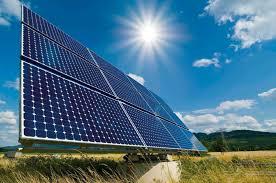
As electricity costs rise and energy reliability becomes a concern, more homeowners are turning to renewable solutions. A home solar system is an effective way to generate clean, sustainable energy, reduce utility bills, and increase energy independence. Whether you’re considering solar for the first time or upgrading your existing setup, this guide covers everything you need to know about home solar systems, including types, installation, maintenance, and benefits.
🌞 What Is a Home Solar System?
A home solar system is a setup that converts sunlight into electricity to power your household. It typically includes solar panels, inverters, batteries (optional), and monitoring systems. The electricity generated can run appliances, lights, and even feed surplus power back to the grid through net metering.
Home solar systems are an environmentally friendly alternative to traditional electricity, reducing your carbon footprint while providing long-term cost savings.
⚡ Benefits of Installing a Home Solar System
Installing a home solar system offers multiple advantages:
-
Lower Electricity Bills: Solar energy reduces dependence on the utility grid.
-
Energy Independence: Power your home even during outages or peak demand periods.
-
Environmental Impact: Solar energy is clean and renewable, lowering greenhouse gas emissions.
-
Property Value Increase: Homes with solar systems often have higher resale value.
-
Government Incentives: Many regions offer subsidies, tax benefits, or net metering incentives.
By investing in a home solar system, homeowners can enjoy financial savings while contributing to a sustainable future.
🏠 Types of Home Solar Systems
There are three main types of home solar systems, each suited to different needs:
1. Grid-Tied Solar System
-
Connected to the utility grid.
-
Excess energy can be sent back to the grid (net metering).
-
Ideal for areas with reliable grid power.
2. Off-Grid Solar System
-
Independent of the grid.
-
Requires battery storage to provide energy at night or during cloudy days.
-
Perfect for remote areas without reliable electricity.
3. Hybrid Solar System
-
Combines grid connection with battery storage.
-
Ensures backup power while still taking advantage of net metering.
-
Offers flexibility and reliability for modern homes.
🛠️ How a Home Solar System Works
A home solar system works by converting sunlight into electricity:
-
Solar Panels: Capture sunlight and convert it into direct current (DC) electricity.
-
Inverter: Converts DC electricity into alternating current (AC), suitable for home appliances.
-
Battery Storage (Optional): Stores excess energy for later use.
-
Distribution: Electricity powers lights, appliances, and other household equipment.
-
Net Metering (For Grid-Tied Systems): Excess energy can be exported to the utility grid for credit.
This system ensures your home has a reliable and renewable source of power, day and night.
🏗️ Step-by-Step Guide to Installing a Home Solar System
Installing a home solar system is straightforward when done with professional guidance:
-
Energy Assessment: Determine your household energy consumption.
-
Site Inspection: Evaluate your roof’s size, orientation, and sunlight exposure.
-
System Design: Select the type and number of solar panels, inverter, and battery (if needed).
-
Permits & Approvals: Obtain necessary permissions from local authorities or utility companies.
-
Procurement: Purchase high-quality solar panels, inverters, and mounting equipment.
-
Installation: Certified technicians mount solar panels and connect the system to your home.
-
Testing & Commissioning: Ensure the system operates correctly and meets energy needs.
-
Monitoring & Maintenance: Use monitoring tools to track performance and schedule regular maintenance.
🔧 Maintaining Your Home Solar System
Proper maintenance maximizes efficiency and prolongs system life:
-
Cleaning: Remove dust, debris, and leaves regularly.
-
Inspection: Check for cracks, corrosion, or loose wiring.
-
Monitoring: Use apps or monitoring systems to track energy production and detect issues early.
-
Professional Service: Schedule annual inspections by certified technicians.
Regular maintenance ensures your system runs efficiently for 20–25 years or more.
🌟 Tips for Choosing the Right Home Solar System
To get the most from your investment, consider the following:
-
Quality Panels: Choose panels from reputable brands with strong warranties.
-
System Size: Match the system size to your household energy needs.
-
Inverter Efficiency: High-quality inverters improve energy conversion and reliability.
-
Battery Backup: Consider batteries if you want uninterrupted power during outages.
-
Installer Experience: Work with certified and experienced solar installers for optimal results.
Selecting the right components ensures reliability, long-term savings, and optimal energy generation.
🌍 Future of Home Solar Systems
The future of residential energy is solar. With rising electricity costs, government incentives, and environmental awareness, more homeowners are adopting solar systems. Technological advancements like smart monitoring, efficient inverters, and hybrid systems are making solar energy more accessible and efficient than ever.
Home solar systems are not just an investment in energy—they are an investment in sustainability and long-term cost savings.
🏁 Conclusion: Make the Switch to Solar Today
A home solar system is a smart, sustainable choice for modern households. From reducing electricity bills and providing energy independence to supporting a cleaner environment, solar energy offers countless benefits.
👉 Ready to power your home with clean energy? Contact a certified solar installer today to design a home solar system tailored to your energy needs and start enjoying the benefits of renewable energy immediately.

 English
 French
 Spanish
 Portuguese
 Deutsch
 Turkish
 Dutch
Dutch
 Italiano
 Russian
 Romaian
 Portuguese (Brazil)