
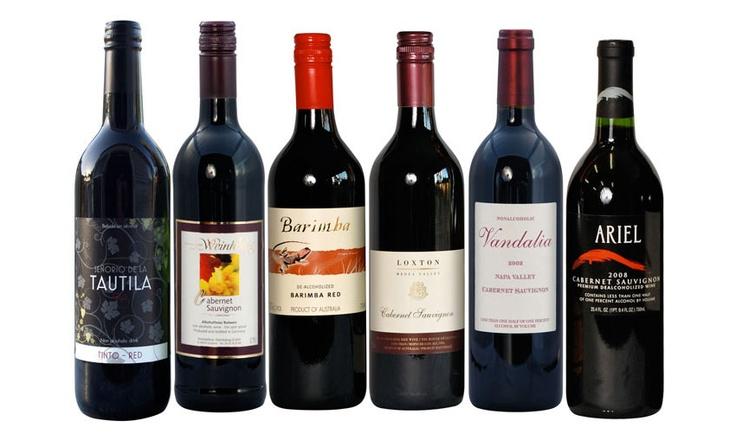
The global beverage industry has undergone a major transformation in recent years, with consumers increasingly seeking healthier and more mindful drinking options. Among these, non-alcoholic wines have emerged as a sophisticated alternative for those who want to enjoy the flavor, aroma, and social experience of wine—without the effects of alcohol. Once considered niche, these products are now widely accepted and appreciated by wine lovers, health-conscious individuals, and lifestyle-driven consumers alike.
What Are Non-Alcoholic Wines?
Non-alcoholic wines are traditional wines that have undergone a process to remove alcohol after fermentation. Unlike grape juice, they begin their journey as fully fermented wine, allowing them to retain complex flavors, tannins, and aromas. The alcohol is then carefully extracted using advanced techniques such as vacuum distillation or reverse osmosis, ensuring the wine maintains its character.
High-quality non-alcoholic wines typically contain less than 0.5% alcohol by volume, making them suitable for individuals avoiding alcohol for health, religious, or personal reasons.
Why Are Alcohol-Free Wines Gaining Popularity?
Several social and lifestyle shifts have contributed to the growing demand for alcohol-free alternatives:
Health Awareness
Modern consumers are more informed about the impact of alcohol on physical and mental health. Reducing alcohol intake is linked to better sleep, improved focus, weight management, and lower risk of chronic diseases.
Mindful Drinking Culture
The rise of “sober curious” and mindful drinking movements has normalized choosing alcohol-free options without social pressure.
Inclusive Social Experiences
Alcohol-free wines allow everyone to participate in celebrations, business events, and dinners without feeling excluded.
Improved Taste and Quality
Advancements in production technology have significantly enhanced the flavor and mouthfeel of non-alcoholic wines, making them closer to their alcoholic counterparts than ever before.
Types of Non-Alcoholic Wines Available
Just like traditional wine, alcohol-free options come in a wide variety of styles to suit different preferences:
Non-Alcoholic Red Wines
These often feature notes of berries, cherry, plum, and light oak. Tannins are softer but still provide structure.
Non-Alcoholic White Wines
Crisp and refreshing, with citrus, apple, pear, and floral notes. Ideal for warm weather or light meals.
Non-Alcoholic Sparkling Wines
Popular for celebrations, these offer lively bubbles and a festive feel, often with apple or grape-forward flavors.
Rosé Options
Light, fruity, and versatile, rosé-style alcohol-free wines are increasingly popular during summer months.
How Are They Made?
The quality of alcohol-free wine depends heavily on the method used to remove alcohol:
-
Vacuum Distillation: Alcohol is removed at low temperatures to preserve aromas.
-
Reverse Osmosis: Wine is filtered to separate alcohol, then recombined with flavor compounds.
-
Spinning Cone Technology: Gently extracts alcohol while retaining delicate flavor elements.
Producers who invest in these technologies typically deliver premium-tasting non-alcoholic wines with balanced profiles.
Health Benefits of Choosing Alcohol-Free Wine
Switching to alcohol-free wine offers several advantages:
-
Lower Calorie Intake: Often contains fewer calories than regular wine.
-
No Hangovers: Enjoy social drinking without next-day fatigue.
-
Heart-Friendly Compounds: Still contains antioxidants like polyphenols found in grapes.
-
Suitable for More People: Ideal for pregnant women, drivers, athletes, and those on medication.
While moderation is always key, alcohol-free options support a healthier lifestyle without sacrificing enjoyment.
Food Pairing with Non-Alcoholic Wines
Pairing alcohol-free wine with food enhances the dining experience:
-
Red Styles: Pair with grilled vegetables, mushroom dishes, pasta, or lentils.
-
White Styles: Perfect with salads, seafood alternatives, chicken, and creamy sauces.
-
Sparkling Varieties: Ideal for appetizers, desserts, and celebratory meals.
The acidity and flavor profiles make non-alcoholic wines surprisingly versatile at the table.
Who Should Choose Non-Alcoholic Wines?
These wines are ideal for:
-
Health-conscious individuals
-
People reducing alcohol consumption
-
Pregnant or breastfeeding women
-
Religious or cultural abstainers
-
Professionals attending business events
-
Anyone who enjoys wine flavor without alcohol effects
They fit seamlessly into modern lifestyles where balance and wellness are priorities.
Buying Tips: How to Choose the Best Option
When shopping for alcohol-free wine, consider:
-
Production Method: Look for brands that explain their alcohol-removal process.
-
Sugar Content: Some varieties add sugar to enhance taste—check labels.
-
Grape Variety: Familiar grapes often produce more authentic flavors.
-
Reviews and Awards: Trusted feedback can help identify quality products.
Premium brands are now focusing on craftsmanship, making non-alcoholic wines a credible choice for wine enthusiasts.
The Future of Alcohol-Free Wine
The market for alcohol-free beverages continues to expand rapidly. Producers are investing in innovation, sustainability, and premium positioning. Restaurants, bars, and retailers are also increasing their selections, signaling long-term growth.
As consumer preferences evolve, non-alcoholic wines are no longer a compromise—they are a conscious, stylish, and enjoyable choice.
Conclusion
Non-alcoholic wines represent the perfect blend of taste, wellness, and inclusivity. With improved production methods, diverse styles, and growing social acceptance, they offer an excellent alternative for modern drinkers. Whether you are avoiding alcohol entirely or simply cutting back, these wines allow you to enjoy the ritual and pleasure of wine—on your own terms.

 Arabic
 French
 Spanish
 Portuguese
 Deutsch
 Turkish
 Dutch
Dutch
 Italiano
 Russian
 Romaian
 Portuguese (Brazil)