
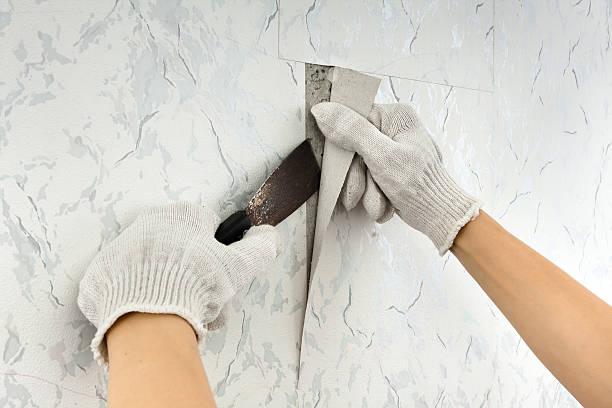
Removing old wallpaper is one of those home improvement tasks that many homeowners dread, but it doesn’t have to be stressful or complicated. Whether you’ve just moved into a new home with outdated patterns or you’re finally ready to modernize that old dining room, Wallpaper Removal done properly makes all the difference for a smooth, paint-ready wall. While many people tackle this as a DIY project, hiring professional wallpaper removal services can save time and ensure a flawless result, especially for larger or more delicate spaces.
Why Proper Wallpaper Removal Matters
Many people try to paint over old wallpaper, hoping to save time. However, this usually results in peeling, bubbling, and a flawed final look. Proper Wallpaper Removal ensures you avoid hidden damage and prepares your walls for painting or new wallpaper installation.
When done correctly, you’ll end up with clean, smooth walls — and you’ll protect your drywall or plaster from unnecessary damage.
What You’ll Need for Successful Wallpaper Removal
Before you begin, gather the right tools and materials. Having these on hand will help you work efficiently and safely:
-
Drop cloths or plastic sheeting
-
Painter’s tape
-
Wallpaper scoring tool
-
Wallpaper scraper or putty knife
-
Spray bottle or garden sprayer
-
Wallpaper stripper solution (commercial or homemade)
-
Sponge and bucket
-
Ladder or step stool
-
Rubber gloves
-
Safety goggles (optional)
-
Wallpaper steamer (optional for stubborn wallpaper)
Using quality tools makes DIY wallpaper removal easier and helps avoid damage to your walls.
Step 1: Prepare the Room
Start by removing as much furniture as possible, and cover any remaining pieces with plastic sheets to protect them during the project. Protect your floors by laying down drop cloths to catch paper scraps and drips — this simple step makes cleanup much easier. For proper wall preparation, seal outlets and baseboards with painter’s tape to shield them from moisture and debris. It’s also smart to shut off the power to any outlets or switches you’ll be working near. Finally, remove switch plates and outlet covers so you can reach every edge and complete your wall preparation thoroughly.
Step 2: Test the Wallpaper
Not all wallpaper is the same. Some modern wallpapers are designed to peel away dry in large strips. Others may require more elbow grease.
To test your wallpaper:
-
Try lifting a corner or seam with a putty knife.
-
If it peels away easily, continue peeling by hand.
-
If it resists or tears off in small pieces, you’ll need to use a scoring tool and wallpaper stripper solution.
Step 3: Score the Wallpaper
For wallpaper that’s tough to remove, run a scoring tool over it gently in circular motions to make fine perforations.
Tip: Be gentle! Pressing too hard can damage the drywall or plaster beneath. The goal is to create small holes so the solution can soak through the top layer and loosen the adhesive underneath.
Step 4: Apply a Wallpaper Removal Solution
Next, saturate the wallpaper with a removal solution. You can buy a commercial wallpaper stripper or make your own:
DIY Wallpaper Removal Solution:
-
Mix equal parts warm water and white vinegar.
-
You can also use warm water mixed with a bit of dish soap.
Fill a spray bottle or garden sprayer with your solution. Generously spray one section of the wall at a time, fully soaking it. Let the solution sit for about 15 minutes to soak through the paper and loosen the adhesive.
Step 5: Steam for Stubborn Paper (Optional)
If your wallpaper is still stuck after soaking, try using a wallpaper steamer. Steamers heat the adhesive, helping the paper come off more easily. Move the steamer slowly over the wallpaper, holding it against the wall for a few seconds to allow the steam to penetrate.
Make sure to use the steamer according to the manufacturer’s directions.
Step 7: Remove Wallpaper Glue Residue
After removing the wallpaper, you’ll likely find patches of sticky adhesive on the wall. It’s essential to remove all glue residue before painting or re-wallpapering.
How to remove wallpaper glue:
-
Mix warm water with dish soap or vinegar.
-
Lightly wipe away glue spots using a sponge or a clean cloth
-
For tough spots, use a commercial adhesive remover.
Step 8: Repair and Prep the Walls
Once the walls are dry, inspect them for damage. Small dings or gouges can be filled with spackle or joint compound.
-
Apply with a putty knife.
-
Let it dry completely.
-
Sand the area smooth.
Tips for Smooth Wallpaper Removal
Here are a few extra tips to make Wallpaper Removal even easier:
-
Always work from the top down.
-
Use warm water — it works better than cold for loosening glue.
-
Keep your scraper blades clean and replace if dull.
-
Never rush! Take it slow to protect the drywall from accidental damage..
-
If you have multiple wallpaper layers, tackle them one at a time.
-
Always ventilate the room well, especially when using commercial removers.
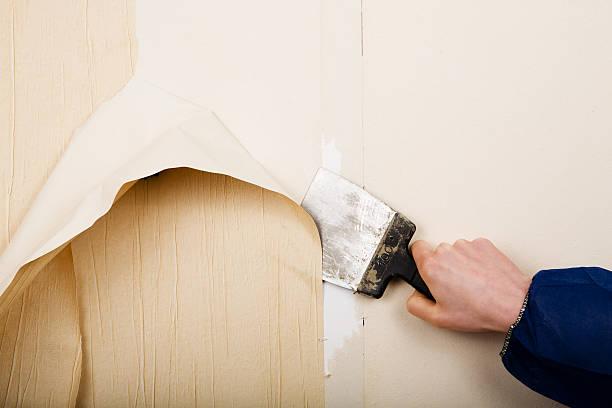
Common Wallpaper Removal Mistakes to Avoid
1. Skipping the test patch:
Always test how the wallpaper reacts before soaking your whole wall.
2. Not protecting the floor:
Wallpaper removal can be messy. Use drop cloths and plastic sheeting to avoid water damage.
3. Using too much force:
If the wallpaper resists, soak it again instead of scraping harder.
4. Not removing all adhesive:
Leftover glue can ruin a paint job. Be thorough when cleaning.
When to Call a Professional
While many homeowners can handle DIY wallpaper removal, sometimes it makes sense to hire a professional:
-
If your walls are delicate plaster or historic surfaces.
-
If you have multiple layers of old wallpaper.
-
If the wallpaper is painted over.
-
If you want the job done quickly with minimal mess.
Experts use advanced tools and steamers, along with their experience, to remove wallpaper thoroughly without causing wall damage.
Final Thoughts | Enjoy Your Fresh, Clean Walls
Removing wallpaper may seem like a big job, but with the right tools, patience, and techniques, you can tackle it confidently. Whether you plan to paint, install new wallpaper, or leave the walls bare, proper Wallpaper Removal ensures the best possible results.

 English
 Arabic
 French
 Portuguese
 Deutsch
 Turkish
 Dutch
Dutch
 Italiano
 Russian
 Romaian
 Portuguese (Brazil)