

Mall space is expensive. Every square meter must justify itself through rent, sales, or visitor experience. Children's rides can earn their place in several ways: direct income from each play, longer family visits, higher spending in nearby shops, and a livelier atmosphere that draws repeat traffic. But not every ride installation succeeds. Poor placement, unreliable equipment, or a dull selection can leave rides idle and money wasted. Getting a good return requires planning, sensible purchasing, and steady management. Here is a practical guide for mall operators who want to maximize return on investment using electric animal rides, with examples drawn from the product range offered by Lulu Toy Car.
Understand Where the Return Comes From
Direct income is the most obvious source. Each play generates revenue, and a steady stream of children adds up. But indirect benefits can be equally valuable. Parents who feel their children are entertained spend more time browsing, dining, and shopping. Children who love a particular mall ask to return. A lively ride zone also improves the mall's image as a family destination. When calculating ROI, consider both direct earnings and these wider effects. Keep records of footfall, dwell time, and tenant feedback if possible. A clear picture of total benefit helps justify spending and shows which locations perform best.
Choose Rides with Broad Appeal
Variety attracts more visitors. With more than one hundred and twenty animal designs available, operators can choose characters that appeal to different tastes: pandas, dinosaurs, unicorns, and many others. Offering big, medium, and mini sizes helps serve different ages. Weight capacity up to about three hundred pounds on suitable models allows parents to join nervous children, increasing comfort. Consider seasonal editions or themed groups to keep the display fresh. Rides that look charming from a distance attract attention, so visual appeal directly affects income. Avoid buying many identical units unless demand is proven, as a mixed selection tends to hold interest longer. Buyers comparing electric animal rides from different suppliers will find these points useful when asking for quotes and samples.
Place Rides Where Families Naturally Pause
Location influences earnings. Place rides near seating, food courts, family restrooms, and popular stores, where parents naturally pause. Ensure clear sightlines so adults can supervise easily. Avoid blocking walkways or emergency routes, and allow room for strollers. Good lighting and tidy surroundings make the area inviting. Group rides together to create a recognizable play zone rather than scattering single units. Customization of color, shape, and branding helps rides fit the mall's style. A thoughtful layout turns a few machines into a destination, and families who find a pleasant, easy-to-use area are more likely to return.
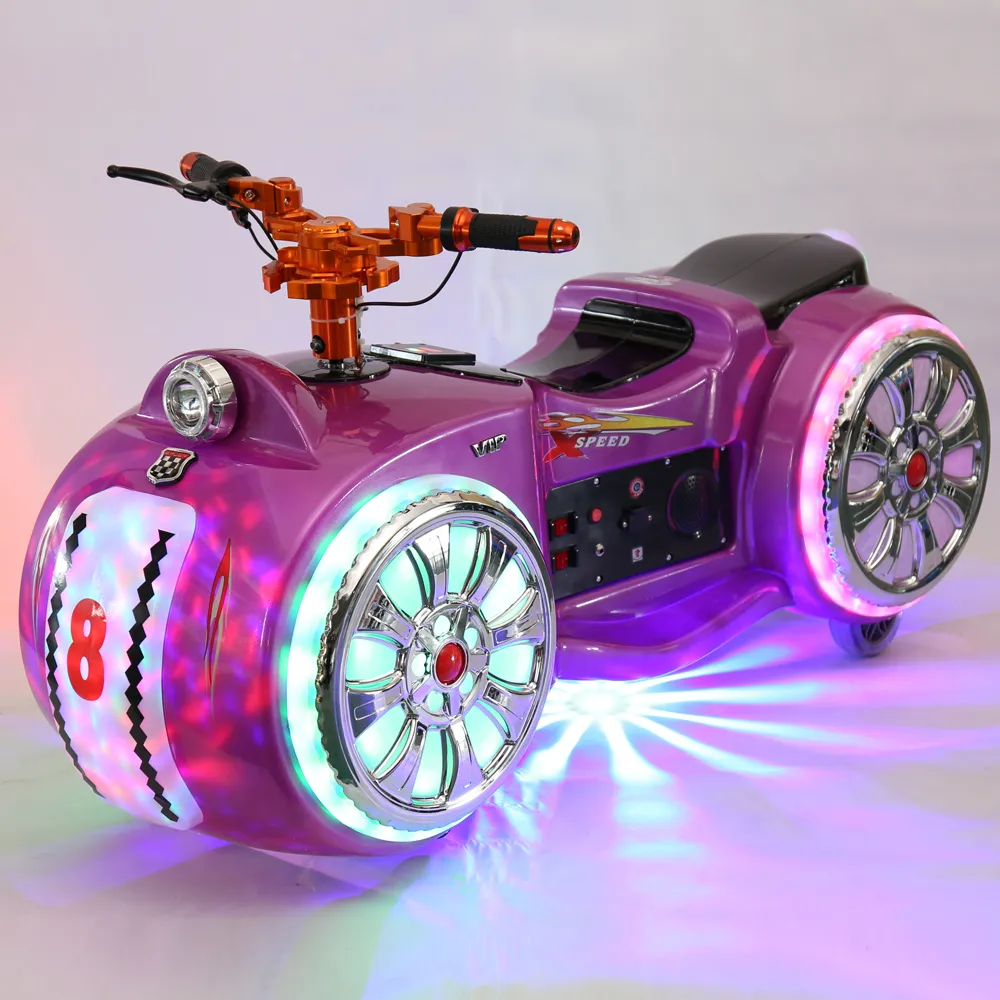
Control Costs and Maintenance
Return depends on keeping costs low and uptime high. Choose durable equipment, because repairs cost both money and lost income. Ask suppliers about spare parts, support, and installation guidance. Set up a routine of cleaning and inspection, and remove damaged units immediately for safety. Negotiate order quantities and shipping terms carefully, including packaging and delivery. Samples, available on a non-free basis depending on product type, help avoid expensive mistakes. The company mentions ISO9001, CE, and EN71 among certifications, but verify model-specific documents. Lower maintenance burdens and fewer breakdowns translate directly into higher net earnings over the equipment's life.
Measure Results and Adjust
Finally, treat the installation as a business experiment. Track income per ride, busiest hours, maintenance costs, and customer comments. Compare animals to see which attract more play, and rotate or replace weaker performers. Adjust placement if certain spots underperform. Consider promotions such as holiday events or loyalty offers. Share performance data with your supplier, who may suggest new designs or improvements. Over time, careful measurement turns guesswork into strategy. A mall operator who monitors results and adapts steadily is likely to earn a better return than one who installs rides once and never looks at the numbers again.

 English
 Arabic
 French
 Spanish
 Portuguese
 Deutsch
 Turkish
 Italiano
 Russian
 Romaian
 Portuguese (Brazil)