
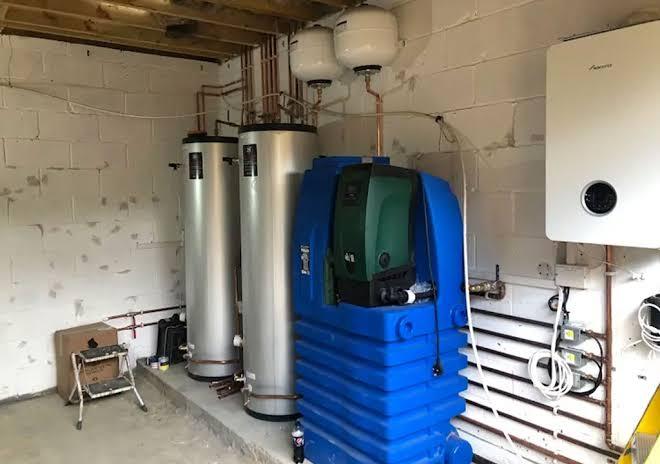
A new boiler can make a noticeable difference to everyday life, but choosing and installing one is not simply a matter of replacing an old appliance with a new one. For homeowners in Kingston Upon Thames, the property, existing heating arrangement and household routine all need to be considered before the installation goes ahead.
A Boiler Installation in Kingston Upon Thames can be part of a planned upgrade, a home renovation or a replacement after years of use. Whatever the reason, homeowners usually want to know what they are getting, what work will be involved and how the finished system will fit into their home.
Why Are Homeowners Replacing Their Boilers?
There are several reasons why a homeowner may decide that it is time for a new boiler.
Some have an appliance that has become unreliable. Others are carrying out improvements to their property and want the heating system updated at the same time. A change in household circumstances can also influence the decision.
For example, a property may now have more occupants than when the existing boiler was fitted. A new bathroom may have been added, or the household may spend more time at home than before.
These changes can affect heating and hot-water requirements.
Instead of looking only at the old boiler, homeowners should consider what the property needs now. That gives the installer a better starting point when discussing the replacement.
What Should Be Checked Before Installation?
The installation should begin with an assessment rather than immediately removing the existing appliance.
The installer may need to look at the boiler's current position, pipework, heating controls, flue arrangement and available access.
This is useful because the existing setup may not be a perfect match for the new appliance.
Connections could require modification, controls may need updating, or the homeowner may want to change the location of the boiler.
Identifying these details beforehand makes the installation easier to plan.
For the homeowner, it also provides a clearer picture of what the quotation actually covers.
How Do You Choose a Boiler for a Kingston Upon Thames Home?
Boiler choice should be connected to the actual demands of the property.
The number of people living in the home, bathrooms, hot-water outlets and heating requirements can all influence the appropriate system.
A homeowner living alone may have relatively modest demand. A larger household could need considerably more hot water at busy times of the day.
The right choice is therefore not automatically the appliance with the highest output.
A useful recommendation should be based on the property and household rather than simply a popular model or headline specification.
Homeowners can ask why a particular boiler has been suggested and how it matches their day-to-day requirements.
Does the Boiler Location Matter?
Yes. The position of the appliance can affect both the installation and the way the room is used.
Some homeowners are happy to keep the boiler in its existing location. Others may be redesigning a kitchen, changing a utility space or trying to make better use of storage.
Moving the appliance may be possible, but it can involve changes to pipework and the flue arrangement.
There also needs to be suitable access around the boiler for future maintenance.
A position that looks attractive from a room-design perspective may not always be the easiest place for an installer or engineer to work.
Discussing the location before the installation is agreed can help avoid unnecessary changes later.
What Happens to the Existing Heating System?
The boiler forms part of a wider system.
Radiators, pipework, controls and other components can all influence how the new appliance operates.
Some homeowners expect everything around the old boiler to remain untouched. In reality, certain connections or parts may need to be adjusted to suit the replacement.
This does not necessarily mean that the entire heating system needs to be changed.
The important thing is understanding what will remain, what will be modified and why.
A detailed conversation before installation can make these decisions much easier for the homeowner to follow.
How Important Is the Household's Hot-Water Routine?
Hot water can become a source of frustration when the system does not match the household's routine.
A family with several people using showers in the morning may have different requirements from a couple with a much lower demand.
When planning a Boiler Installation in Kingston Upon Thames, homeowners should explain their normal usage rather than focusing only on the size of the property.
Questions worth considering include how many people live in the home, how many bathrooms are regularly used and whether several hot-water outlets are commonly needed at the same time.
These details can help the installer understand what the system needs to deliver.
What Is Installation Day Like?
For homeowners, the practical side of installation is often the biggest concern.
The heating and hot water may need to be unavailable for part of the work while the old appliance is removed and the new one is fitted.
The level of disruption depends on the complexity of the installation.
A straightforward replacement may be relatively contained, while relocating the boiler or changing the surrounding setup can involve more work.
Homeowners can prepare by clearing access to the boiler and removing stored items from cupboards or nearby areas.
Keeping fragile belongings away from the immediate workspace can also make the day easier.
Knowing beforehand when heating and hot water are expected to be unavailable can help the household plan around the installation.
Should You Upgrade the Heating Controls?
A new boiler creates an opportunity to review the controls, although replacing them is not always necessary.
Some homeowners prefer a simple thermostat that everyone can operate easily. Others want more flexibility because their working hours change from day to day.
Modern controls can provide different ways of scheduling and adjusting heating, but the best option depends on the homeowner's routine.
Instead of choosing controls based on the number of features, it is better to consider whether those features will genuinely be useful.
The installer should also demonstrate the controls before the work is considered complete.
How Should Homeowners Compare Installation Quotes?
The headline price is only one part of a quotation.
Different installers may include different amounts of work, which means two similar-looking figures may not actually represent the same installation.
Homeowners should check whether the quotation includes:
The exact boiler model
Heating controls
Removal of the old appliance
Any planned pipework alterations
Installation-related materials
Handling of unexpected additional work
It is also useful to ask what paperwork will be provided after the installation.
A detailed specification makes it easier to compare quotations based on the actual job rather than price alone.
What Do Homeowners Want After the Installation?
The final stage should be a proper handover.
Once the new boiler is running, homeowners need to understand how to use the controls and what is different from the previous system.
This is particularly important where a new thermostat or programming system has been installed.
A simple demonstration can answer practical questions about temperature settings, schedules and everyday operation.
Homeowners should also keep the installation and warranty information somewhere accessible.
Having these details organised can be helpful when the system needs servicing or other attention in the future.
What Makes the Installation Experience Better?
A good installation experience begins before the engineer arrives.
Homeowners generally value clear information about the appliance, installation location, expected work and likely disruption.
During the job, communication remains important. If the installer discovers something that differs from the original plan, the homeowner should understand what has changed before additional work is agreed.
Care around the property also matters.
Keeping the work area organised and treating nearby surfaces carefully can make a significant difference to the homeowner's experience.
The finished system should then be explained clearly rather than simply left ready for use.
FAQs
Can the new boiler be installed in a different location?
It may be possible, but the proposed position needs to be assessed for space, access, pipework and flue requirements.
How should I decide which boiler is suitable?
Consider the property's heating needs, household size and hot-water demand. A larger boiler is not automatically the right choice.
Will my existing heating controls work with the new boiler?
They may, but their compatibility and usefulness should be checked as part of the installation planning.
Do existing radiators need to be replaced?
Not automatically. The complete heating system should be assessed before deciding whether existing components can remain.
What should I ask before accepting an installation quote?
Ask for the exact boiler specification, included controls, removal arrangements, planned alterations and details of how any unexpected additional work will be handled.
Planning a Boiler Installation in Kingston Upon Thames becomes much easier when homeowners consider the complete heating setup rather than focusing solely on the boiler itself.
The property's layout, household routine, hot-water demand, boiler position and existing system can all affect the final installation.
For a Kingston Upon Thames homeowner, a successful installation should provide a system that suits the property and is easy to use. Clear planning before the work begins, careful installation during the job and a proper handover afterwards can make the entire process far more straightforward.

 English
 Arabic
 French
 Spanish
 Portuguese
 Deutsch
 Turkish
 Dutch
Dutch
 Russian
 Romaian
 Portuguese (Brazil)