
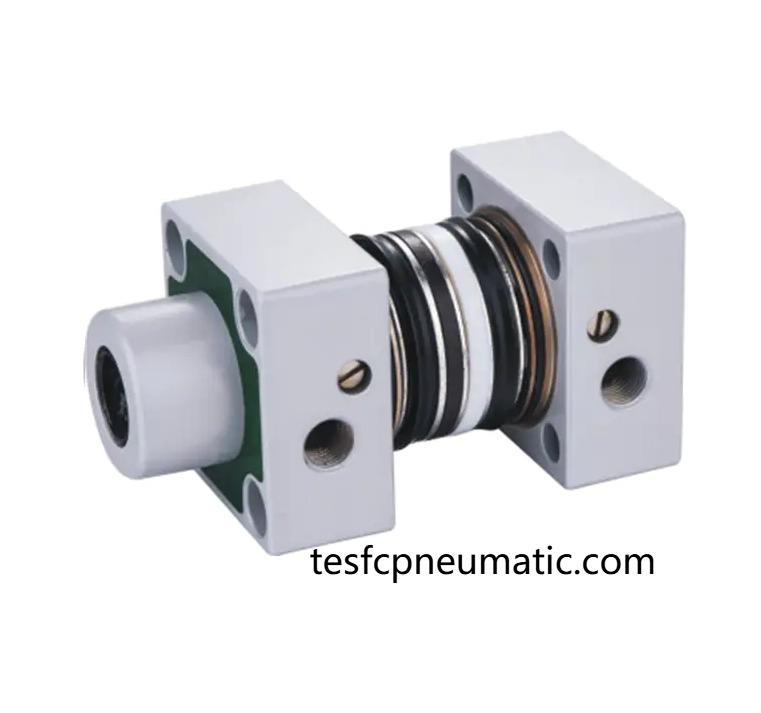
In a pneumatic system, position feedback connects physical movement with the control logic of the machine. As a China Magnetic Switch solution, a pneumatic cylinder sensor can detect the magnetic field generated by a piston and send a corresponding signal to the control system without making direct contact with the moving internal parts. This contactless approach allows position information to become part of automated sequences used in assembly, handling, packaging, and other industrial equipment.
Material selection plays an important role in the construction of a magnetic switch. The outer housing needs to protect the sensing elements while remaining suitable for installation around a pneumatic actuator. Internal electronic or reed components must work together with the housing, wiring, and connection structure to create a complete sensing unit. Materials used for insulation and cable protection are also relevant because the sensor may operate in machinery where movement, vibration, dust, or contact with surrounding components can occur. A carefully designed material combination helps the sensor maintain its intended function during everyday machine operation.
The cylinder itself should be the starting point when selecting a magnetic switch. Different pneumatic cylinders can have different body shapes, mounting grooves, and available installation positions. A sensor that fits naturally into a cylinder groove may be handled differently from one that requires a separate bracket or clamp. Buyers should therefore examine the cylinder construction, available mounting space, piston magnet arrangement, and installation method before choosing a sensor. Feishengya provides magnetic switches for different pneumatic cylinder structures and also offers mounting accessories to support different installation arrangements.
Sensing technology is another important selection factor. Reed-type magnetic switches use a magnetically operated switching element, while electronic versions use electronic sensing technology to identify the magnetic field. Proximity induction designs provide another approach to contactless detection. These different technologies allow users to match the sensor with the control requirements of the machine. Feishengya's product range includes CS1 reed-type magnetic switches, DS1 electronic magnetic switches, and proximity induction magnetic switches, giving pneumatic equipment designers different sensing approaches to consider.
Electrical compatibility should also be considered together with mechanical installation. The signal generated by the switch needs to be understood by the receiving control system. Depending on the sensor design, the output may be used with a PLC, relay circuit, indicator, or other automation controller. Buyers should therefore consider the required signal type, wiring arrangement, connector style, and control architecture before finalizing a product. This approach helps prevent a situation where a mechanically suitable sensor does not fit the electrical requirements of the machine.
Installation experience can have a direct influence on maintenance. Since magnetic switches are generally mounted outside the cylinder, technicians can access the sensing component without opening the actuator. This can make inspection, repositioning, and replacement more convenient during equipment maintenance. Correct positioning remains important because the sensor must be placed where it can effectively detect the piston magnet. A stable mounting method can also help prevent unwanted sensor movement when the machine operates repeatedly.
Mounting accessories deserve attention as part of the overall sensor system. A suitable bracket or fixing structure can simplify installation when a cylinder does not provide a convenient built-in groove. It can also help maintain the relationship between the sensor and the piston during operation. Feishengya offers magnetic switch mounting brackets for different cylinder arrangements, showing how the supporting hardware can be considered alongside the sensing component rather than as an unrelated accessory.
From a user-experience perspective, cable management is another practical consideration. A sensor may work correctly when installed, but poor cable routing can create unnecessary stress during machine operation. The cable should be positioned away from moving components and arranged in a way that allows inspection and replacement. Connector accessibility can also influence maintenance efficiency, particularly when sensors are installed in compact machinery or around crowded pneumatic assemblies.
The physical design of a magnetic switch is closely related to the space available around the cylinder. A compact sensing component can be integrated into automated equipment without requiring a large external structure. This is useful in machinery where pneumatic cylinders operate alongside guide rails, grippers, valves, brackets, and mechanical transmission parts. A clean installation can also make the equipment easier to inspect because the sensor and its wiring remain visually identifiable within the larger machine structure.
Design considerations extend to the appearance of the pneumatic assembly itself. Although magnetic switches are functional components rather than decorative products, their shape, cable direction, mounting method, and relationship with the cylinder can influence the overall organization of an automated machine. A well-integrated sensor should not unnecessarily interfere with adjacent components, access points, or moving mechanisms. This balance between compactness, accessibility, and installation practicality is especially useful for equipment manufacturers developing customized automation systems.
For Zhejiang Feishengya Pneumatic Components Co., Ltd., magnetic switches are part of a broader pneumatic component portfolio that includes cylinders, solenoid valves, fittings, and related products. The company's magnetic switch range covers different sensing technologies and installation approaches, allowing position detection to be considered alongside the pneumatic actuator and control components used in the same system.
When evaluating a magnetic switch, buyers can therefore look beyond the sensor itself and consider the complete relationship between cylinder construction, sensing technology, mounting method, electrical connection, cable management, maintenance access, and machine layout. For more information about Zhejiang Feishengya Pneumatic Components Co., Ltd. and its pneumatic sensing solutions, visit https://www.tesfcpneumatic.com/.

 English
 Arabic
 French
 Spanish
 Portuguese
 Turkish
 Dutch
Dutch
 Italiano
 Russian
 Romaian
 Portuguese (Brazil)