
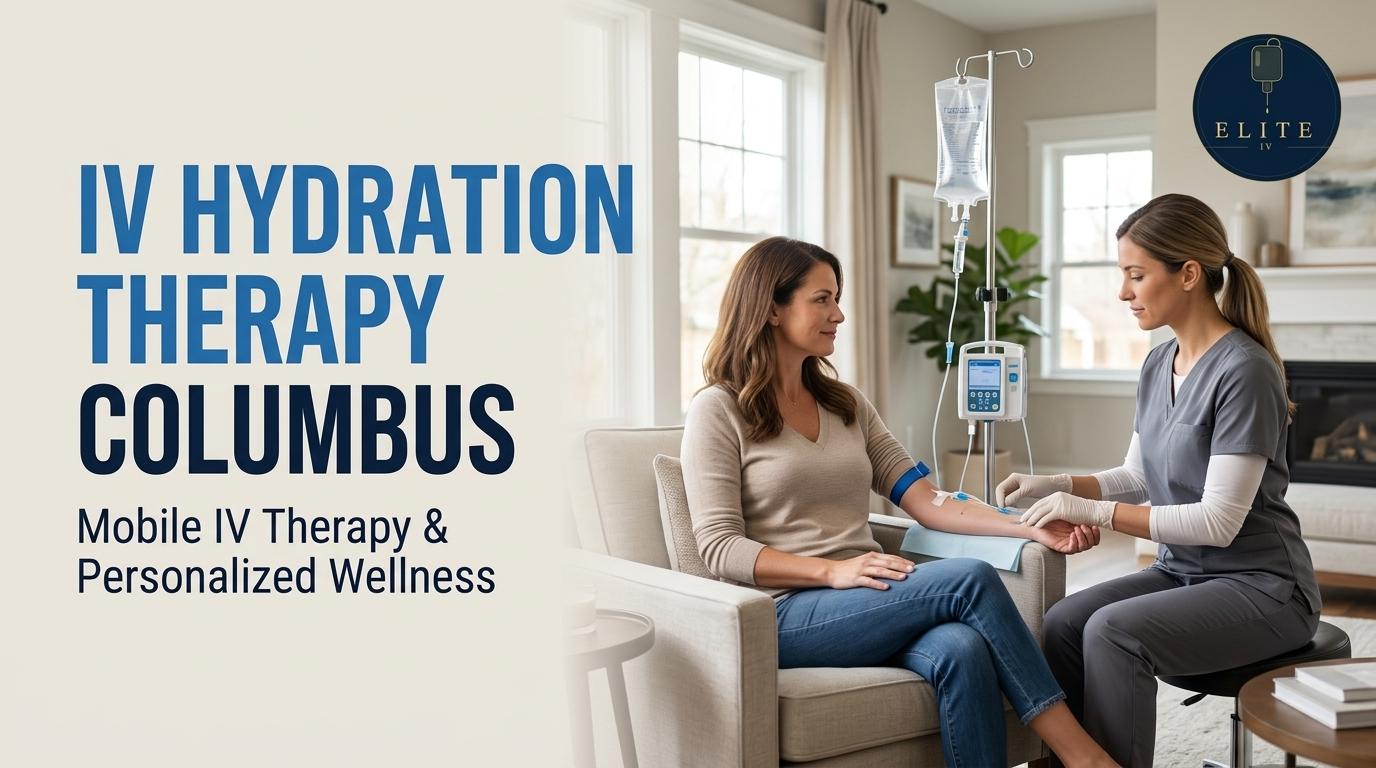
What to Expect During Your First Mobile IV Therapy Session
Trying IV hydration therapy for the first time can bring up a few questions. How does the appointment work? What should you do before the treatment? Will a healthcare professional come to your home? A mobile IV therapy session typically involves a health assessment, preparation of the IV equipment, administration of fluids through a vein, and monitoring throughout the treatment.
With mobile IV therapy, qualified healthcare professionals can bring eligible hydration services to an approved location, such as your home or hotel. This offers convenience for people who prefer not to travel to a clinic.
For individuals exploring mobile IV hydration in Columbus, understanding the process can make the experience feel more familiar and help them decide whether the service is appropriate for their needs.
Elite IV provides mobile IV hydration and wellness services in Columbus and surrounding Central Ohio communities. Before booking, it is important to understand the potential benefits, safety considerations, and what happens during an appointment.
Quick Overview: Your First Mobile IV Therapy Session
| Topic | Details |
| Benefits | Provides fluids directly into a vein when clinically appropriate and offers convenient access to hydration care. |
| Uses | Fluid replacement when medically appropriate and selected wellness services. |
| Best For | People assessed by a qualified healthcare professional as suitable for IV hydration. |
| Appointment Process | Health assessment, preparation, IV insertion, fluid administration, and monitoring. |
| Location | Home, hotel, or another approved location, depending on provider availability. |
| Preparation | Share your medical history, medications, allergies, and current symptoms with the provider. |
1. What Is a Mobile IV Therapy Session?
A mobile IV therapy session is an appointment in which a qualified healthcare professional administers an intravenous treatment at an approved location outside a traditional clinic.
The treatment involves inserting a small catheter into a vein and connecting it to an IV line containing the selected fluid or solution.
Intravenous fluids are commonly used in healthcare to prevent or treat dehydration and manage certain medical conditions. The decision to use IV fluids depends on the person's condition and clinical needs.
How Is Mobile IV Therapy Different From Clinic-Based Treatment?
The main difference is the location.
With clinic-based IV therapy, you travel to a healthcare facility for your appointment. With mobile IV therapy, a provider may come to your home, hotel, or another approved setting.
This can make scheduling more convenient, but it does not change the medical considerations involved in administering an IV treatment.
Mobile IV therapy should still include appropriate screening, sterile equipment, qualified professionals, and monitoring.
What Happens During a Typical Appointment?
A first appointment generally includes:
-
A review of your medical history and current health concerns.
-
An assessment to determine whether IV treatment is appropriate.
-
An explanation of the proposed treatment and its ingredients.
-
Preparation of the IV equipment and insertion of the catheter.
-
Administration of the selected fluids or treatment.
-
Monitoring during the session and guidance about aftercare.
The exact process depends on the provider, the treatment, and your individual needs.
2. How to Prepare for Your First Mobile IV Therapy Appointment
A little preparation can make your first mobile IV hydration appointment easier and more comfortable. The most important step is to provide accurate information about your health so the healthcare professional can assess whether treatment is appropriate.
Share Your Medical History
Before your appointment, be ready to discuss:
-
Any existing medical conditions, including kidney or heart problems.
-
Prescription medications, over-the-counter medicines, and supplements.
-
Known allergies or previous reactions to IV treatments.
-
Current symptoms, such as dizziness, nausea, or unusual fatigue.
-
Pregnancy or other circumstances that may affect treatment suitability.
-
Any previous experience with IV hydration or vitamin infusions.
This information helps the healthcare professional identify potential risks and determine whether another form of care may be more suitable.
Follow Your Provider's Preparation Instructions
Ask whether you should eat or drink normally before your appointment and whether there are any specific preparation requirements.
For most people, drinking water as usual is reasonable unless a healthcare professional has advised them to restrict fluids. Do not deliberately dehydrate yourself or drink excessive amounts of water to prepare for treatment.
If you have been given fluid restrictions because of a medical condition, follow your clinician's instructions.
Prepare a Comfortable Space
If your appointment is taking place at home, choose a clean, quiet area with enough room for the healthcare professional and equipment.
A comfortable chair or suitable resting area, good lighting, and access to a stable surface can help make the session more convenient.
Keep pets away from the treatment area and make sure the professional has enough space to work safely.
3. What Happens During a Mobile IV Therapy Session?
The appointment generally follows several steps, from the initial health assessment to the administration of the selected treatment.
Step 1: Initial Health Assessment
The healthcare professional begins by reviewing your medical history, current symptoms, medications, and reason for requesting IV therapy.
They may check relevant vital signs, such as blood pressure and pulse, depending on the service and your circumstances.
This assessment helps determine whether the proposed treatment is appropriate. If IV therapy is not suitable, the professional should explain why and recommend appropriate next steps.
Step 2: Treatment Explanation and Consent
Before starting, the professional should explain what the treatment contains, why it is being considered, and what risks may be involved.
You should have an opportunity to ask questions about the fluid, any added vitamins or medications, possible side effects, and the expected duration.
Make sure you understand the treatment and agree to proceed before the IV is inserted.
Step 3: IV Equipment Preparation
The healthcare professional prepares the equipment using appropriate infection-control procedures.
The skin at the insertion site is cleaned, and a small catheter is inserted into a vein, usually in the arm or hand.
You may feel a brief pinch or sting during insertion. Tell the professional if you experience significant pain, burning, or discomfort.
Step 4: Fluid Administration
Once the IV is in place, the selected fluid or treatment is administered through the tubing.
The rate and amount of fluid should be appropriate for your clinical needs. The professional should monitor the IV site and your response during the session.
If you notice swelling, pain, unusual discomfort, dizziness, or any other concerning symptoms, tell the professional immediately.
Step 5: Completion and Aftercare
When the treatment is complete, the IV catheter is removed and the insertion site is covered with a suitable dressing.
The professional may provide aftercare instructions and explain which symptoms should prompt medical attention.
The appointment should end with a clear understanding of what was administered and what to do if you have concerns afterward.
4. How Long Does a Mobile IV Therapy Session Take?
The length of a mobile IV therapy session varies according to the treatment, the amount of fluid, the infusion rate, and the time needed for assessment and preparation.
The full appointment takes longer than the infusion alone because it may include a health review, consent, equipment preparation, monitoring, and aftercare instructions.
| Appointment Stage | What Happens |
| Initial assessment | Medical history, symptoms, and treatment suitability are reviewed. |
| Preparation | The professional prepares the equipment and insertion site. |
| IV administration | The selected fluids or treatment are administered. |
| Monitoring | The professional checks your comfort and response. |
| Aftercare | The IV is removed, and instructions are provided. |
If you have a busy schedule, ask the provider for an estimated appointment duration before booking. The time required may vary from one treatment to another.
5. What Does IV Hydration Therapy Feel Like?
Your experience may depend on the IV insertion, the treatment being administered, and your individual response.
Many people feel only a brief pinch when the catheter is inserted. Once the IV is in place, you may notice the tubing or a slight sensation near the insertion site.
Some people may feel coolness or discomfort during an infusion. You should not ignore pain, burning, swelling, or other unusual symptoms.
Will You Feel Different After the Treatment?
The effects depend on why the treatment was given and whether you were dehydrated or had another medical need for IV fluids.
A person who receives fluids for dehydration may feel better as their fluid balance improves. Someone who is already adequately hydrated may notice little or no meaningful change.
IV vitamin infusions are also not guaranteed to increase energy, improve immunity, or produce other wellness benefits in otherwise healthy people.
It is important to keep expectations realistic and discuss any ongoing symptoms with a healthcare professional.
6. What Are the Potential Benefits of Mobile IV Hydration?
Mobile IV hydration can offer convenience and provide fluids directly into the bloodstream when clinically appropriate.
However, it is not a universal solution for tiredness, everyday dehydration, or general wellness.
Convenient Access to Hydration Care
Mobile services can reduce the need to travel to a clinic for an appointment.
For eligible clients, receiving treatment at home or another approved location may make scheduling easier.
Direct Fluid Delivery
IV fluids enter the bloodstream directly, which can be useful when a person needs intravenous fluid replacement.
For mild dehydration, drinking water or an oral rehydration solution may be sufficient. The appropriate approach depends on the cause and severity of dehydration.
Individualized Treatment
A professional assessment helps determine whether IV treatment is suitable and which fluid or treatment may be appropriate.
This is particularly important for people with medical conditions that affect fluid balance.
Wellness-Focused Services
Some providers offer IV treatments containing vitamins and minerals. The evidence supporting these infusions for general wellness is limited, and they are not a substitute for a balanced diet or medically indicated treatment.
If you are exploring mobile IV hydration in Columbus, you can visit Elite IV's service page to learn about its mobile care offerings.
Interested in learning more about your options? Contact Elite IV to ask about available services, appointment requirements, and whether a medical assessment is needed.
7. Is Mobile IV Therapy Safe? Understanding the Risks
IV therapy can be appropriate when medically indicated and administered by qualified healthcare professionals. However, it is an invasive procedure and carries potential risks.
Understanding these risks before your first appointment can help you make an informed decision.
Possible Side Effects and Complications
Potential risks include:
-
Bruising or discomfort: The insertion site may feel sore or develop a small bruise.
-
Vein irritation: The vein may become inflamed or tender.
-
Infection: Improper handling of equipment or the insertion site can introduce infection.
-
Fluid leakage: IV fluid may leak into the surrounding tissue, causing swelling or discomfort.
-
Fluid overload: Receiving excessive fluid can be dangerous, particularly for people with certain heart or kidney conditions.
-
Treatment-related reactions: Vitamins, medications, or other added ingredients may cause side effects or allergic reactions.
The risk depends on the treatment, the amount administered, and your individual health.
Who Should Be Especially Careful?
People with kidney disease, heart conditions, fluid restrictions, certain medication interactions, or other relevant medical concerns should receive individualized medical advice before considering IV therapy.
Pregnant individuals should also discuss treatment suitability with an appropriate healthcare professional.
If you have severe dehydration, confusion, fainting, difficulty breathing, chest pain, or other serious symptoms, seek urgent medical care rather than relying on a mobile wellness appointment.
8. How to Choose a Mobile IV Therapy Provider in Columbus
Choosing a provider involves more than comparing treatment menus or appointment convenience. Professional qualifications, patient screening, and safety procedures are important considerations.
Verify Professional Qualifications
Ask who will assess and administer your treatment and whether they have the appropriate professional license and training.
A responsible provider should be able to explain its clinical process and how it handles complications.
Understand What the Treatment Contains
Before booking, request information about the fluids, vitamins, medications, and other ingredients included in the treatment.
Ask why the treatment is being recommended and whether its advertised benefits are supported by evidence.
Review Safety and Monitoring Procedures
Find out how the provider maintains sterile equipment, screens clients, monitors treatment, and responds to adverse reactions.
You should also know what happens if the initial assessment indicates that IV therapy is not appropriate.
Confirm Service Availability
If you prefer mobile care, check whether the provider serves your location and whether your preferred setting is approved.
Elite IV offers mobile IV hydration and wellness services in Columbus and nearby Central Ohio communities. You can visit the Elite IV website to learn about its services and concierge approach.
9. How to Book Your First Mobile IV Therapy Session With Elite IV
If you are considering a mobile IV therapy session in Columbus, understanding the booking process can help you prepare for your first appointment.
Step 1: Explore Available Services
Review the provider's available treatments and determine which service aligns with your questions or needs.
Do not assume that a particular treatment is medically appropriate simply because it is listed on a service menu.
Step 2: Ask About Eligibility and Pricing
Before scheduling, ask whether a health assessment is required, what the treatment includes, and whether there are any additional fees for mobile visits.
Confirm the service area and the estimated appointment duration.
Step 3: Discuss Your Health Needs
Share relevant medical information and ask questions about potential benefits, risks, and alternatives.
A qualified healthcare professional should determine whether the proposed treatment is appropriate.
Step 4: Confirm Your Appointment
Once the provider has confirmed availability and suitability, arrange a time and location that meets the service requirements.
FAQs
1. What should I expect during my first mobile IV therapy session?
Your first session typically includes a health assessment, a review of your medical history, an explanation of the treatment, IV insertion, fluid administration, and monitoring. The healthcare professional will also provide aftercare instructions.
2. How long does a mobile IV therapy session take?
The duration depends on the treatment, infusion rate, and time needed for assessment and preparation. Ask your provider for an estimated appointment duration before booking.
3. Do I need to prepare before my first IV hydration appointment?
Yes. Share your medical history, medications, allergies, and current symptoms with the provider. Follow any preparation instructions and ask whether you should eat or drink normally before the appointment.
4. Is mobile IV hydration better than drinking water?
Not necessarily. Drinking water is generally sufficient for everyday hydration for most healthy people. IV fluids are useful when there is a medical reason for intravenous fluid replacement, but they are not automatically more effective than drinking fluids.
5. Does Elite IV offer mobile IV therapy in Columbus?
Yes. Elite IV provides mobile IV hydration and wellness services in Columbus and nearby Central Ohio communities. Contact the company to confirm service availability, treatment options, and appointment requirements.
Conclusion: Make Your First Mobile IV Therapy Session an Informed Experience
Your first mobile IV therapy session should begin with understanding the treatment, reviewing your health needs, and knowing what to expect before, during, and after the appointment.
Mobile IV hydration offers convenient access to intravenous fluids when clinically appropriate, but it is not necessary for everyone. A professional assessment, clear communication, and appropriate safety procedures are essential to a positive experience.
Elite IV provides mobile IV hydration and wellness services in Columbus and surrounding Central Ohio communities, bringing concierge-style care to approved locations.
If you are considering your first appointment, take the time to explore the available services, ask questions, and discuss whether IV therapy is suitable for you.
Ready to learn more? Visit Elite IV or contact the team to explore mobile IV hydration services and ask about scheduling your first appointment.

 English
 Arabic
 French
 Spanish
 Deutsch
 Turkish
 Dutch
Dutch
 Italiano
 Russian
 Romaian
 Portuguese (Brazil)