
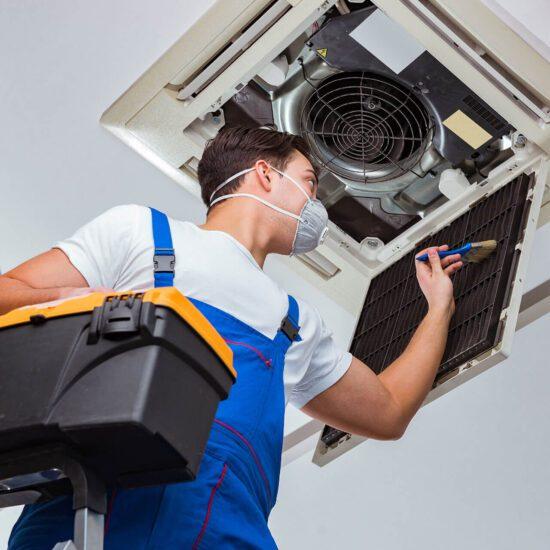
Sydney's weather can change considerably throughout the year, making a dependable heating and cooling system an important part of indoor comfort. From warm summer afternoons to cooler winter mornings, homes and businesses need air conditioning solutions that can adapt to changing conditions. For property owners, choosing the right north shore air conditioning system involves more than simply selecting an air conditioner with the highest capacity.
The size and design of the property, number of rooms, insulation, occupancy, available installation space and daily usage can all influence which system is appropriate. A professional assessment can help identify the right solution while avoiding unnecessary equipment or installation costs.
Whether you are building a new home, renovating an existing property or upgrading an older HVAC system, understanding the available options can make the decision easier.
Why Air Conditioning Matters in the North Shore
Properties across Sydney's North Shore include apartments, traditional houses, renovated homes, large family residences, offices, retail premises and commercial buildings. Each type of property can have different climate control requirements.
A small apartment may only need a single split system, while a larger house may benefit from ducted air conditioning or a multi-zone solution.
Commercial properties can require more advanced HVAC systems because of larger floor areas, different occupancy levels and varying temperature requirements between rooms.
This means there is no single air conditioning solution that is suitable for every North Shore property.
Choosing the Right Type of Air Conditioning
Several air conditioning options are available for Sydney properties.
Split-System Air Conditioning
Split systems are commonly used when individual rooms or specific areas need heating and cooling.
They can be practical for bedrooms, living rooms, home offices and smaller commercial spaces.
One advantage is that installation can be relatively straightforward compared with larger ducted systems.
However, a property requiring temperature control across many rooms may need a different approach.
Ducted Air Conditioning
Ducted systems distribute conditioned air through a network of ducts.
The main equipment is generally installed in a concealed location, while vents are positioned throughout the property.
This can provide a clean appearance and whole-property climate control.
For homeowners searching for ducted air conditioning North Shore, the first step should be a property assessment to determine whether the building has suitable space for ductwork and equipment.
VRV Air Conditioning
VRV systems provide a flexible approach to controlling temperature across multiple areas.
They can be particularly useful for larger homes and commercial properties where different zones may require different settings.
VRV systems can allow multiple indoor units to operate from a connected outdoor system, depending on the configuration.
Professional design is important because the system needs to be matched to the property's layout and requirements.
Consider the Size of Your Property
Property size is one of the factors that should be considered when selecting air conditioning.
However, floor area alone does not determine the required system capacity.
Other factors can include:
- Ceiling height
- Window area
- Building orientation
- Insulation
- Number of occupants
- Sun exposure
- Room usage
- Existing construction materials
Two properties with the same floor area can have significantly different heating and cooling requirements.
A professional installer can assess the property before recommending equipment.
Think About Individual Rooms and Zones
Not every room in a home is necessarily used in the same way.
Bedrooms may be occupied mainly at night, while living areas may be used during the day. Home offices may have different schedules from other parts of the property.
Zoning can provide greater control over which areas are conditioned.
For larger properties, this can make a ducted or VRV solution more flexible.
An experienced air conditioning installer Sydney property owners can rely on can discuss zoning options during the system design process.
Energy Efficiency Is Worth Considering
Air conditioning can contribute significantly to energy consumption, particularly during periods of high demand.
Choosing an appropriately sized and efficient system can help manage operating costs.
However, efficiency is influenced by more than the equipment itself.
Installation quality, maintenance, insulation, thermostat settings and building characteristics can all affect actual energy use.
A system that is too large or too small for the property may not deliver the expected performance.
Professional design is therefore an important part of an efficient installation.
Ducted Air Conditioning for Larger Homes
For homeowners who want heating and cooling throughout the property, ducted air conditioning can be worth considering.
A ducted system can deliver conditioned air to multiple rooms through strategically positioned outlets.
It can also provide zoning options depending on the equipment and design.
When considering ducted air conditioning Sydney North Shore, homeowners should discuss ceiling access, duct placement and equipment location with their installer.
The installer should also explain what modifications may be required to accommodate the system.
VRV Systems for Flexible Climate Control
VRV air conditioning can be useful where multiple indoor spaces require independent temperature control.
For example, a larger property may have several bedrooms, living spaces and work areas. A commercial building may have offices, meeting rooms and common areas.
Each area can have different usage patterns.
A VRV system can provide a flexible solution when designed appropriately.
However, the overall cost depends on several factors, including the size of the system, number of indoor units, installation requirements, controls and property configuration.
What Influences VRV Cost?
Property owners researching VRV cost should avoid relying on a single advertised price.
The final cost can vary considerably depending on the project.
Factors may include:
- Building size
- Number of indoor units
- System capacity
- Number of zones
- Pipework requirements
- Electrical requirements
- Installation complexity
- Access to the building
- Existing infrastructure
- Control systems
- Required modifications
A professional site assessment is the most practical way to obtain an accurate project estimate.
Installation Quality Matters
The performance of an air conditioning system depends partly on how well it is installed.
Installation may involve electrical connections, refrigerant lines, drainage, ductwork, controls and equipment positioning.
Poor installation can contribute to problems such as inconsistent temperature, restricted airflow, drainage issues or unnecessary energy use.
For this reason, homeowners should consider the experience and qualifications of the installer rather than choosing based solely on the lowest quote.
Maintenance Should Be Part of the Plan
Even a well-installed air conditioning system requires ongoing care.
Maintenance can help keep equipment operating properly and can provide an opportunity to identify developing issues.
Depending on the system, maintenance may involve:
- Cleaning filters
- Checking indoor units
- Inspecting outdoor equipment
- Checking airflow
- Examining drainage
- Inspecting electrical components
- Cleaning coils
- Checking system controls
For larger systems, professional servicing may be particularly important.
Customers considering VRV maintenance Sydney services should establish a maintenance schedule based on the equipment manufacturer's recommendations and the property's usage.
Air Conditioning for Commercial Properties
Businesses across the North Shore can have different HVAC requirements from residential customers.
An office may need consistent temperature control throughout working hours. A retail store may have high customer traffic, while a restaurant can have additional ventilation and heat-load requirements.
Commercial HVAC design therefore requires consideration of:
- Occupancy
- Operating hours
- Floor area
- Equipment heat loads
- Ventilation
- Zoning
- Maintenance access
A professional HVAC provider can help develop a system that reflects the building's actual usage.
North Sydney HVAC Services
Businesses and property owners searching for HVAC services North Sydney should consider whether their chosen provider can support both installation and ongoing servicing.
Having access to maintenance and repair services can be useful because HVAC equipment requires attention throughout its working life.
Before choosing a provider, ask about installation experience, maintenance support, warranty arrangements and the types of systems they service.
Air Conditioning and Home Renovations
Renovations provide an excellent opportunity to review existing heating and cooling arrangements.
If walls or ceilings are already being modified, it may be easier to plan ductwork or other air conditioning infrastructure.
Homeowners undertaking renovations should discuss HVAC requirements early with their builder and air conditioning contractor.
Early planning can help determine equipment positions and minimise the need for expensive changes later.
Air Conditioning for New Builds
New homes provide even more opportunities for integrated HVAC planning.
A ducted or multi-zone system can be considered during the architectural and construction stages.
The design team can coordinate ceiling space, duct routes, electrical requirements and equipment locations before construction is completed.
This can result in a cleaner installation and easier maintenance access.
Questions to Ask Your Air Conditioning Installer
Before selecting an air conditioning system, ask your installer:
- What type of system suits my property?
- What capacity is required?
- Would zoning be useful?
- Where will the equipment be installed?
- What installation work is included?
- What maintenance will be required?
- What is the estimated running cost?
- How long will installation take?
- What warranty applies?
- Is ongoing servicing available?
Clear answers can help you compare proposals and understand the long-term requirements of the system.
Why Choose Maxim Air?
Maxim Air provides professional air conditioning and HVAC solutions for residential and commercial properties across Sydney.
Our focus is on understanding each property's requirements before recommending an appropriate system. Whether a customer needs individual room cooling, ducted air conditioning, VRV technology or broader HVAC services, the system should be selected according to the building and its usage.
For customers looking for north shore air conditioning, professional installation and ongoing maintenance can help support reliable performance throughout the year.
Maxim Air can assist with system selection, installation and maintenance, providing practical HVAC solutions for Sydney properties.
Final Thoughts
Choosing the right north shore air conditioning system requires careful consideration of the property, rather than simply selecting the most powerful or least expensive unit.
Split systems can work well for individual areas, while ducted systems can provide whole-property climate control. VRV systems can offer flexible zoning for larger residential and commercial properties.
Energy efficiency, installation quality, maintenance and long-term operating costs should also form part of the decision.
If you are considering ducted air conditioning Sydney North Shore, HVAC services North Sydney, VRV air conditioning or another climate control solution, a professional property assessment can help you understand which options are appropriate.
With careful planning and professional installation, an air conditioning system can provide comfortable indoor temperatures across Sydney's changing seasons.
Maxim Air is available to assist residential and commercial customers with air conditioning and HVAC requirements across Sydney.

 English
 Arabic
 French
 Spanish
 Portuguese
 Deutsch
 Turkish
 Dutch
Dutch
 Italiano
 Russian
 Romaian