
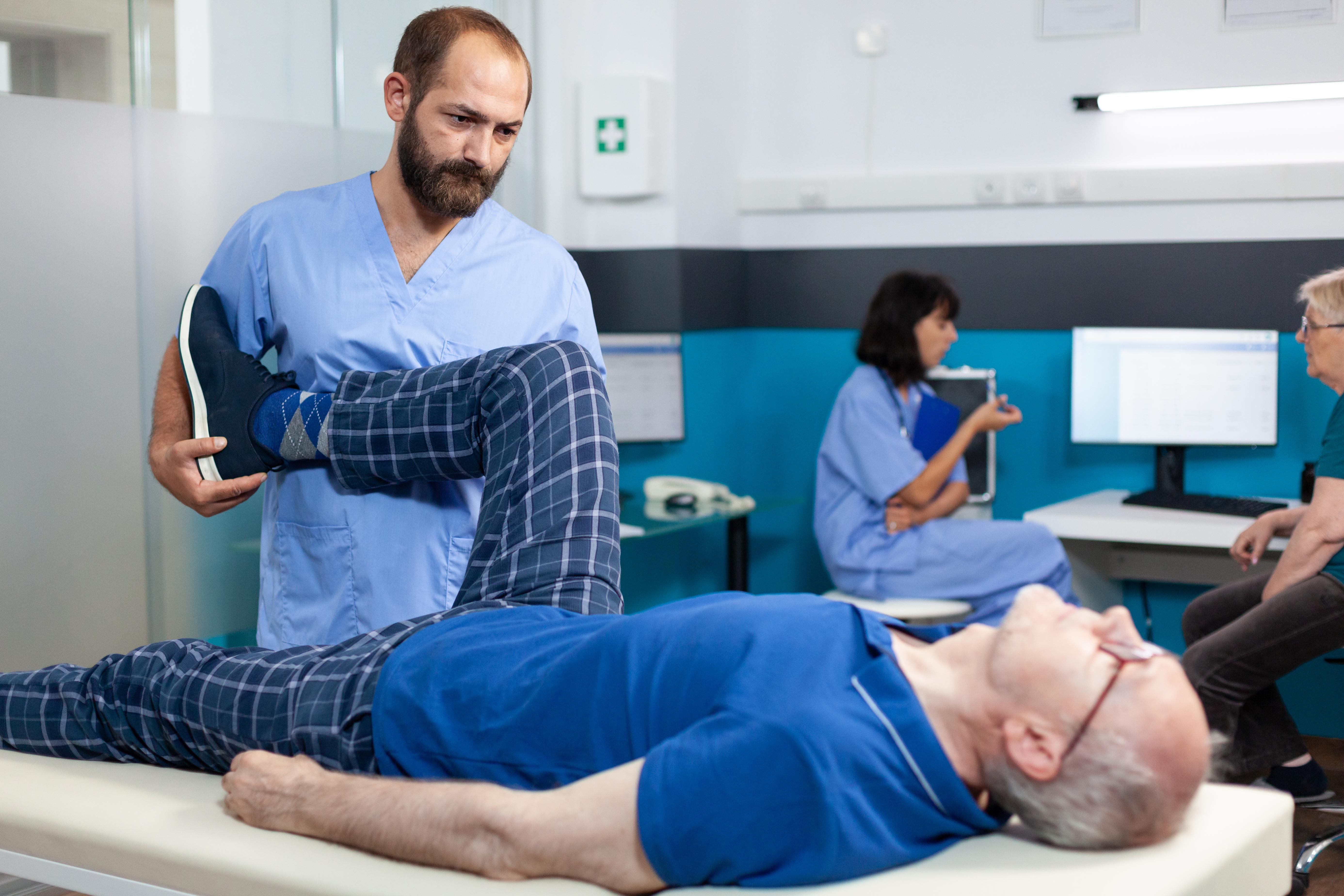
Hip replacement is one of the most successful operations in modern medicine, yet many patients feel unsure about what happens after they leave the operating room. Understanding recovery after hip replacement surgery removes much of that worry and helps you take the right steps at the right time. This guide explains each stage in plain language so you know what to expect.
Why a Recovery Plan Matters
More than 450,000 total hip replacements are performed in the United States every year, and most patients report strong pain relief and better movement afterwards. A 2019 analysis in The Lancet found that about 89 percent of hip implants last at least 15 years, and roughly 58 percent last 25 years.
These numbers depend on more than the implant itself. Recovery after hip replacement surgery is a team effort, and how well you follow your rehabilitation plan affects comfort, strength and long-term results.
The First 48 Hours in the Hospital
Getting Moving Early
Most patients are asked to stand and take a few steps with a walker within 24 hours of surgery. Early movement improves blood flow and reduces stiffness. Your care team will usually:
-
Teach you how to sit, stand and turn without stressing the new joint
-
Use ice packs and prescribed medicines to keep pain under control
-
Ask you to do ankle pumps to keep blood moving in your legs
-
Start blood-thinning medicine, often for two to five weeks, to lower clot risk
Preparing to Go Home
Most people go home within one to three days, depending on their health and hospital protocol. Before discharge, a physiotherapist checks that you can walk safely, manage a few steps and get in and out of bed.
Good planning at this stage makes the first weeks smoother. A detailed guide on Recovery After Hip Replacement Surgery explains what a complete rehabilitation plan includes.
Weeks 1 to 2: Settling In at Home
Swelling, bruising and tiredness are normal in the first two weeks. Simple habits help:
-
Walk short distances every few hours with your walker or crutches
-
Raise your leg and use ice for 15 to 20 minutes to reduce swelling
-
Keep the incision clean and dry as advised
-
Sleep on your back, with a pillow between your knees if your surgeon recommends it
-
Avoid bending your hip beyond 90 degrees or crossing your legs if your surgeon has advised these precautions
Rest matters as much as movement. Short walks with regular breaks work better than one long effort.
Weeks 3 to 6: Building Strength
Exercise and Walking
By week three, most patients move from a walker to a cane and begin gentle strengthening for the hip, thigh and buttock muscles. Many people can drive again around four to six weeks, once they are off strong pain medicines and can control the leg safely.
When Nerve Symptoms Need Attention
Mild tingling or numbness near the incision is common as small skin nerves heal. Persistent hip nerve pain is different. Burning pain that travels down the leg, or weakness in the foot, should be reported early. Studies suggest nerve injury affects about 1 to 3 percent of primary hip replacements, so it is uncommon but important. Reading about Hip Nerve Pain and its causes helps you describe symptoms clearly to your doctor.
Weeks 7 to 12 and Beyond
Most patients return to light work, longer walks, and daily tasks within about three months. Full recovery, including strength and stamina, can take six to twelve months.
Your pain history matters too. Women often have different pain patterns because of hormonal changes, bone density, and joint alignment. This article on what can cause hip pain in a woman helps explain why symptoms can vary from person to person.
Warning Signs to Report Early
Contact your surgeon quickly if you notice:
-
Fever above 100.4°F (38°C), or redness and discharge from the wound
-
Calf pain, swelling or shortness of breath, which may signal a blood clot
-
Sudden severe hip pain, or a leg that looks shorter or turned outward
-
Numbness, weakness or a dragging foot
Prompt attention to these signs protects both your health and your new joint.
A calm, steady approach to healing helps most people return to walking, work and family life with less pain. For trusted orthopedic care, many patients look to SMH Prime Ortho - Best Orthopedic Hospital in Delhi NCR.

 English
 Arabic
 French
 Spanish
 Portuguese
 Turkish
 Dutch
Dutch
 Italiano
 Russian
 Romaian
 Portuguese (Brazil)