
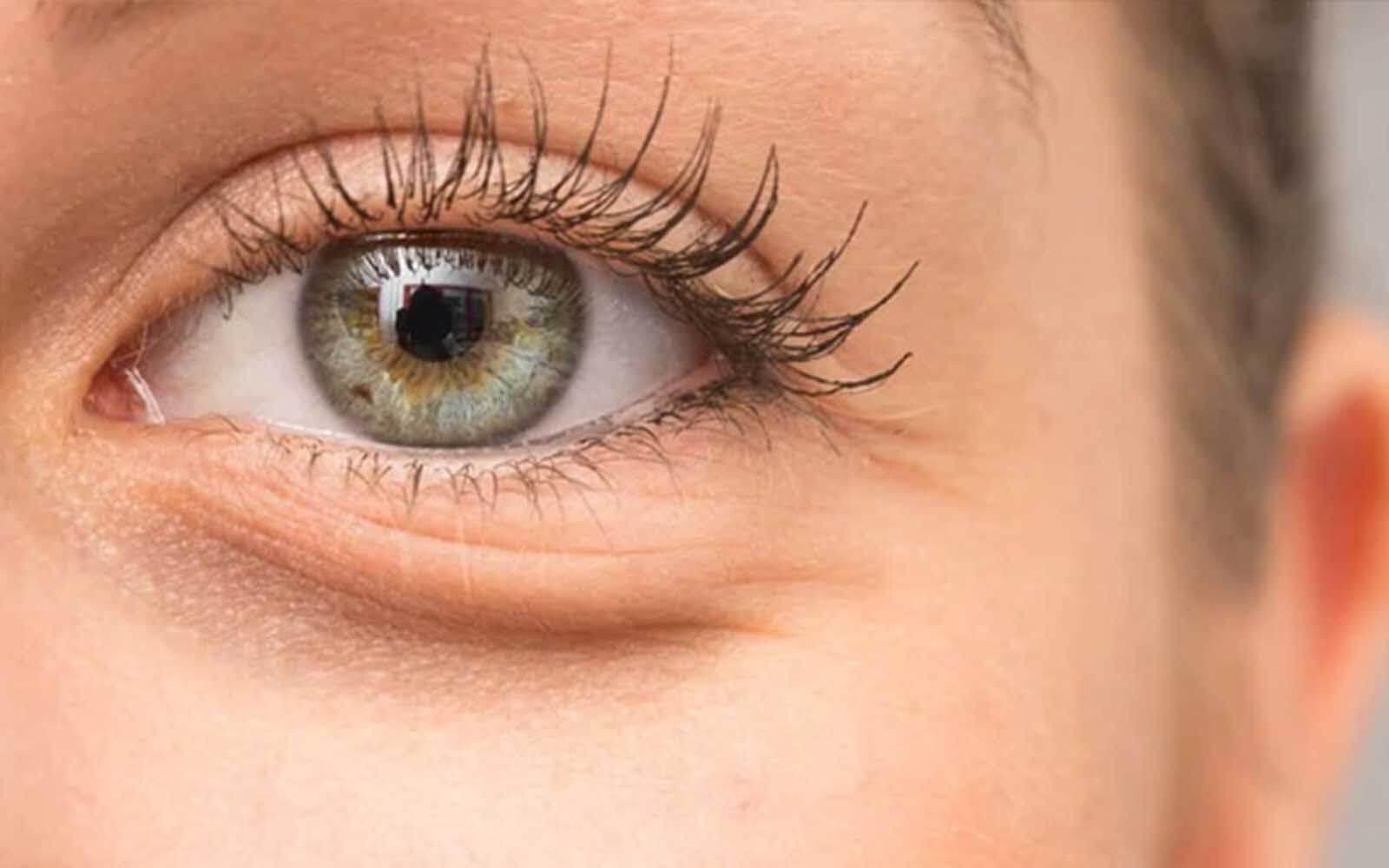
The upper eyelids are a defining feature of the eye area and can influence the way the eyes relate to the rest of the face. Changes in the amount or position of upper eyelid skin may become more noticeable over time, while some people naturally have more skin across the eyelid area than others. Because every person's eyelid anatomy is different, assessing excess skin carefully is an important part of planning treatment.
Upper Eyelid Surgery in London is designed to address concerns involving the upper eyelid, with the surgical approach tailored to the individual's anatomy and treatment goals. Before deciding how the procedure should be performed, a surgeon will generally assess the amount and distribution of skin, the natural eyelid crease, eyebrow position, eyelid symmetry, and the relationship between the eyelids and surrounding facial structures.
An initial consultation at an Eyelid Surgery Clinic in London provides an opportunity to carry out this assessment in detail. Rather than focusing only on how much skin is visible, the surgeon can examine the entire upper eye area and determine which characteristics are relevant to treatment planning.
Understanding What Appears to Be Excess Skin
One of the first steps in an upper eyelid assessment is determining what is actually contributing to the appearance of excess skin. Visible skin across the upper eyelid can be influenced by several surrounding structures, meaning that the appearance alone does not always tell the complete story.
The surgeon may examine the upper eyelid while the patient is relaxed and in different facial positions. This allows the assessment to take into account the natural movement and position of the eyelids and eyebrows.
The amount of visible skin can also vary depending on eyebrow position and facial expression. Therefore, an experienced assessment looks beyond a single static view.
The purpose is to understand the patient's natural anatomy and identify whether the main concern relates to the upper eyelid skin itself or whether other features contribute to the overall appearance.
Assessing the Amount of Upper Eyelid Skin
The quantity of skin across the upper eyelid is a key consideration when planning Upper Eyelid Surgery in London. However, assessment involves more than simply estimating how much skin is present.
The surgeon may examine where the skin is positioned, how it folds, and how it relates to the natural eyelid crease. The distribution of skin can differ between the inner, central, and outer portions of the eyelid.
This detailed examination helps the surgeon understand which areas may need particular attention during treatment planning.
The aim is to create an approach that corresponds to the patient's individual anatomy rather than applying the same amount of correction to every patient.
Examining the Natural Eyelid Crease
The natural upper eyelid crease is an important anatomical landmark. Its height, shape, and visibility can vary considerably from one person to another.
During an assessment, the surgeon may examine the relationship between the excess skin and the existing crease. This can help determine where treatment should be planned in relation to the patient's natural eyelid structure.
The crease can also contribute to how the upper eyelid appears when the eyes are open and closed. Understanding its position provides useful information when considering the placement of any planned incision.
For this reason, Lower Eyelid Surgery In London evaluating the natural crease is an important component of personalised Upper Eyelid Surgery in London planning.
Considering Eyebrow Position
The eyebrows and upper eyelids are closely connected in terms of facial appearance. A change in eyebrow position can alter the amount of visible skin across the upper eyelid.
During consultation, the surgeon may therefore assess the eyebrows alongside the eyelids. This can help distinguish between skin that is naturally present on the eyelid and changes in appearance that are influenced by brow position.
The assessment may include looking at the height and shape of both eyebrows and their relationship with the eyes.
This broader examination helps prevent the treatment plan from focusing on the eyelid alone when surrounding anatomy may also contribute to the patient's concerns.
Reviewing Eyelid Symmetry
Most faces have some degree of natural asymmetry, and the upper eyelids are no exception. One eyelid may have slightly more skin, a different crease height, or a different relationship with the eyebrow.
An initial assessment can identify these differences before treatment is planned. The surgeon may compare both sides of the face to understand the natural variations in eyelid shape and skin distribution.
Recognising asymmetry is important because the treatment plan should take the patient's existing anatomy into account.
Rather than assuming both eyelids are identical, the surgeon can consider each side individually while maintaining an overall sense of facial balance.
Assessing the Inner and Outer Eyelid Areas
Excess skin may not be distributed evenly across the upper eyelid. Some patients may have more noticeable skin toward the inner corner, while others may have greater fullness toward the outer portion.
The surgeon can assess the entire upper eyelid from the inner corner toward the outer corner. This helps identify where skin is most prominent and how its distribution influences the overall eye shape.
The assessment may also consider how the upper eyelid looks in relation to the eyebrow and the outer eye area.
Understanding these variations can help inform the design of the treatment rather than relying on a uniform approach across the entire eyelid.
Looking at Facial Proportions
The upper eyelids form part of a larger facial structure. Their appearance can be influenced by the forehead, eyebrows, eyes, nose, cheeks, and other surrounding features.
For this reason, a comprehensive assessment may consider the upper eyelids in relation to the rest of the face.
Facial proportions can help provide context for determining how much change may be appropriate. A particular eyelid shape that looks natural on one person may have a different appearance on another because of differences in facial structure.
The purpose of considering facial proportions is to ensure that the treatment plan is developed around the individual's existing features.
Evaluating Skin Characteristics
The quality and characteristics of the upper eyelid skin can also be reviewed. The surgeon may assess how the skin sits over the eyelid, where it folds, and how much skin appears to extend over the natural crease.
Different people have different skin characteristics, and these differences may influence the way the procedure is planned.
The assessment provides an opportunity to understand how the skin contributes to the patient's concerns and how it relates to the underlying eyelid structure.
This information can then be incorporated into the overall treatment plan.
Assessing the Upper Eyelid in Different Positions
The appearance of the upper eyelid can change depending on whether the eyes are open, relaxed, or closed. Facial expressions can also influence the position of the eyebrows and eyelid skin.
A detailed consultation may therefore involve observing the eyelids in different positions.
This provides a more complete understanding of the patient's natural movement and the way excess skin appears during normal facial expressions.
Examining the eyelids dynamically can be particularly useful when the patient's concern involves how the skin looks during everyday activities rather than only when the face is completely relaxed.
Considering the Relationship Between the Eyelid and Brow
The upper eyelid and brow work together to create the overall shape of the eye area. Changes in one structure can influence the visual appearance of the other.
During assessment, the surgeon may consider the distance between the eyebrow and eyelid crease, the brow's natural position, and the amount of visible upper eyelid.
This relationship can provide important information when determining whether the patient's concerns are primarily associated with excess eyelid skin.
A comprehensive approach ensures that treatment planning reflects the anatomy of the entire upper eye area.
Reviewing Previous Procedures
Previous procedures around the eyes can be relevant when evaluating upper eyelid skin. Patients should provide information about previous eyelid surgery or other treatments involving the surrounding area.
Past procedures may have influenced the current position of the skin or altered the natural eyelid anatomy.
By reviewing the patient's history, the surgeon can understand the current anatomy more accurately and consider it when planning treatment.
This is particularly relevant for individuals who have previously undergone treatment and are now considering further Upper Eyelid Surgery in London.
Discussing the Patient's Concerns
A physical assessment is only one part of treatment planning. The patient's personal concerns and expectations also need to be discussed.
For example, one patient may be primarily concerned about skin extending over the upper eyelid, while another may be more interested in the overall shape and openness of the eye area.
The surgeon can ask what the patient would like to change and what aspects of their appearance they would prefer to maintain.
This conversation allows the proposed treatment to reflect both the physical findings and the patient's personal objectives.
Reviewing Relevant Medical and Eye History
An initial consultation may also include a review of relevant medical and eye history. The surgeon may ask about previous eye procedures, current medications, allergies, and other information that could be relevant to treatment planning.
Any existing concerns involving the eyes or eyelids should be discussed during the consultation.
Having a complete understanding of the patient's background helps the surgeon evaluate the upper eyelid in context and determine an appropriate approach.
Using Clinical Photography
Clinical photographs may be taken as part of the assessment process. Photographs can document the appearance of the upper eyelids and surrounding facial structures from consistent angles.
These images can help the surgeon examine features such as skin distribution, eyelid symmetry, eyebrow position, and facial proportions.
Photography can also provide a useful reference when discussing the proposed treatment plan with the patient.
It is generally used alongside a physical examination and consultation rather than as a substitute for direct assessment.
Determining How Much Skin Should Be Addressed
Once the relevant features have been evaluated, the surgeon can consider how much upper eyelid skin should be addressed as part of the proposed treatment.
This decision is not based solely on the amount of skin that appears visible. The surgeon also considers the natural crease, eyelid proportions, eyebrow position, symmetry, and the patient's desired outcome.
The objective is to develop a treatment plan that corresponds to the individual's anatomy and creates an appropriate relationship between the eyelid and surrounding facial structures.
This is one of the key reasons why an individual assessment is essential before proceeding with upper eyelid surgery.
Creating a Personalised Treatment Plan
Following the assessment, the surgeon can bring all the findings together to develop a personalised surgical plan.
The plan may consider:
- The amount and distribution of upper eyelid skin
- Natural eyelid crease position
- Eyebrow height and shape
- Eyelid symmetry
- Skin characteristics
- Facial proportions
- Previous procedures
- The patient's aesthetic objectives
These factors are considered together rather than independently. The resulting plan can then be explained to the patient, including the areas that are expected to be addressed and the proposed surgical approach.
At an Eyelid Surgery Clinic in London, this consultation-based process helps ensure that treatment planning is based on individual characteristics.
Why a Detailed Assessment Is Important
Upper eyelid anatomy varies significantly between individuals. Two patients may both describe their concern as "excess skin," yet their eyelid structures may be quite different.
One person may have more skin across the central eyelid, while another may have a different distribution combined with a particular brow position or eyelid crease.
A detailed assessment allows these distinctions to be recognised. It also provides an opportunity to discuss what the patient wants to achieve and how the proposed treatment relates to their natural features.
This personalised approach can make the treatment planning process clearer and more specific.
What Patients Can Expect From the Consultation
Patients considering Upper Eyelid Surgery in London can use the initial consultation to ask questions and understand how their eyelids are being assessed.
The surgeon can explain which features are contributing to the appearance of excess skin, what treatment approach may be considered, and how the plan has been adapted to the patient's individual anatomy.
Patients can also discuss their preferred outcome and raise any questions about the proposed procedure.
A thorough consultation therefore serves as both an assessment and an opportunity for informed discussion before treatment is planned.
Conclusion
Evaluating excess upper eyelid skin requires a detailed examination of more than the amount of skin visible above the eye. A surgeon may assess skin distribution, natural eyelid crease, eyebrow position, symmetry, facial proportions, skin characteristics, eyelid movement, and previous procedures.
The patient's individual concerns and desired outcome are also important parts of the process. By bringing these factors together, the surgeon can develop a treatment plan that reflects the patient's anatomy rather than relying on a standard approach.
For people considering Upper Eyelid Surgery in London, an assessment at a specialist Eyelid Surgery Clinic in London provides an opportunity to understand how excess skin is evaluated and how the proposed treatment can be tailored to individual facial characteristics.
FAQs
What is upper eyelid surgery?
Upper eyelid surgery is a procedure focused on the upper eyelid area. Depending on the patient's individual anatomy, treatment may address concerns related to excess skin and the overall appearance of the upper eyelids.
How is excess upper eyelid skin evaluated?
The surgeon may assess the amount and distribution of skin, its relationship with the natural eyelid crease, eyebrow position, eyelid symmetry, facial proportions, and the patient's treatment goals.
Why is eyebrow position assessed during upper eyelid surgery consultation?
The eyebrow influences the appearance of the upper eyelid. Assessing its position helps the surgeon understand whether the appearance of excess skin is influenced by the relationship between the brow and eyelid.
Does the natural eyelid crease affect treatment planning?
Yes. The position and shape of the natural crease are important anatomical features that may be considered when determining the proposed incision and overall surgical approach.
Is eyelid symmetry reviewed before surgery?
Yes. The surgeon may compare both upper eyelids to identify natural differences in skin distribution, crease position, eyebrow height, and eyelid shape.
Can facial proportions influence upper eyelid surgery planning?
Yes. The upper eyelids are assessed in relation to surrounding facial features. Considering overall facial proportions can help the surgeon develop a treatment plan that complements the patient's existing anatomy.
Does excess skin have the same appearance in every patient?
No. Excess skin can vary in amount, position, and distribution. Individual differences in eyelid anatomy, brow position, skin characteristics, and facial proportions can all influence its appearance.
Why are previous eyelid procedures discussed during consultation?
Previous procedures may have changed the existing eyelid anatomy. Knowing the patient's treatment history allows the surgeon to consider these changes when evaluating the current appearance.
Will my eyelids be assessed when my eyes are open and closed?
The surgeon may observe the eyelids in different positions to understand their natural appearance and movement. This can provide additional information for treatment planning.
What role do my personal goals play in treatment planning?
Your goals help the surgeon understand the type of change you are looking for. These preferences can then be considered alongside your anatomy when developing the proposed treatment plan.
What happens during an upper eyelid surgery consultation?
The consultation may include a discussion of your concerns and goals, examination of the eyelids and surrounding structures, review of relevant medical information, clinical photography, and discussion of the proposed treatment approach.
Why should I choose an Eyelid Surgery Clinic in London for an assessment?
A specialist Eyelid Surgery Clinic in London can provide a dedicated assessment of the eyelids and surrounding facial structures, allowing treatment planning to be based on individual anatomy and personal objectives.

 English
 Arabic
 French
 Spanish
 Portuguese
 Turkish
 Dutch
Dutch
 Italiano
 Russian
 Romaian
 Portuguese (Brazil)