
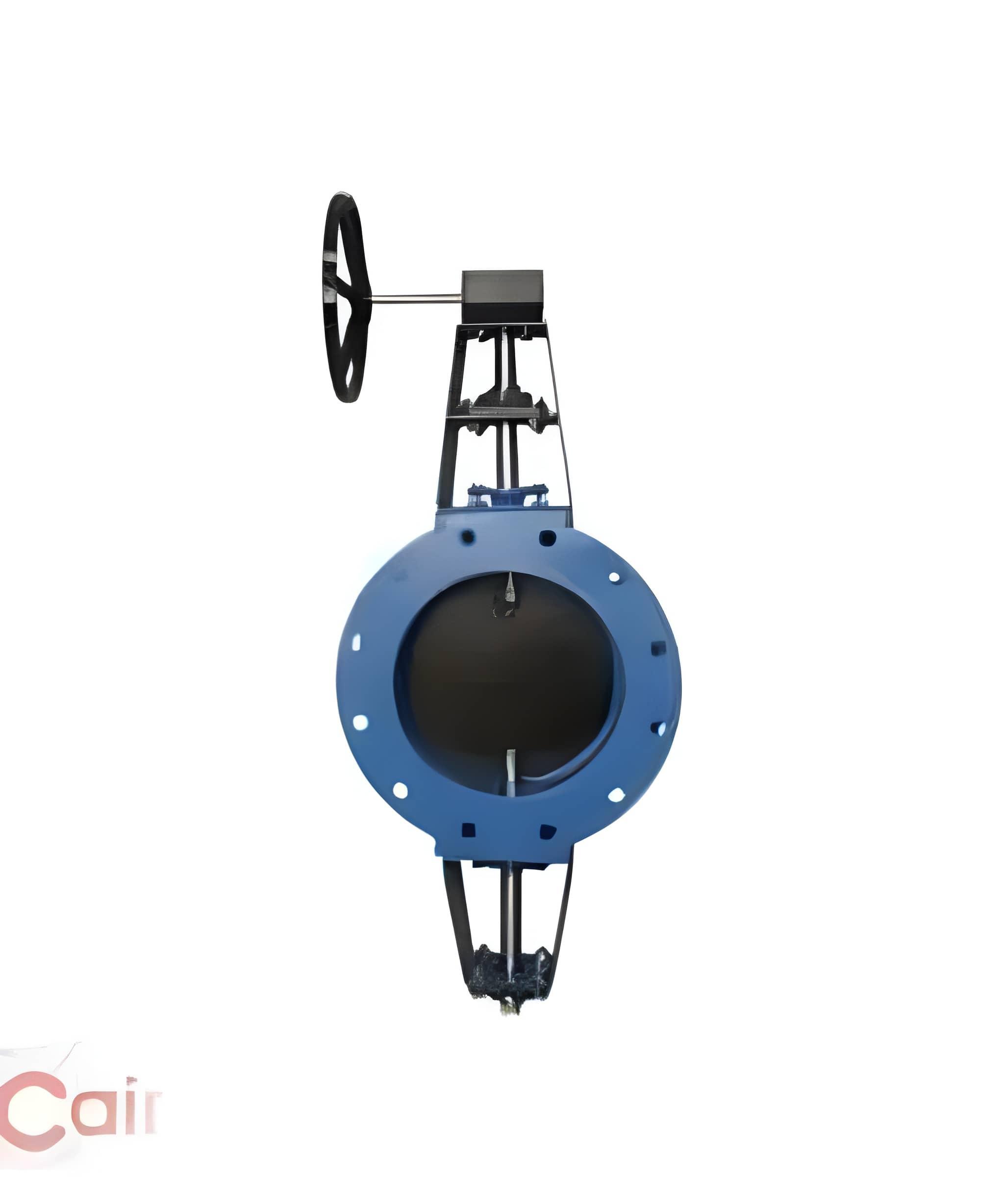
Industrial processes depend on reliable flow control to move liquids, gases, steam, and other process media through pipelines and equipment. Valves are essential components in these systems because they can isolate pipelines, regulate flow, control pressure, and prevent unwanted reverse movement. Their performance can directly influence operational efficiency, equipment protection, and maintenance requirements.
Choosing the right valve manufacturer requires an understanding of how valves are designed, produced, tested, and matched to specific applications. Manufacturing quality is an important factor, but so are material selection, technical specifications, testing procedures, and application requirements.
Understanding the Role of Valve Manufacturing
Valve manufacturing involves several stages, beginning with product design and material selection. Engineers consider factors such as pressure, temperature, flow characteristics, pipeline dimensions, and the type of medium being handled.
Different valve designs are developed for different purposes. Gate valves are generally used for isolation, while ball valves provide quarter-turn operation. Butterfly valves offer compact flow isolation, and control valves are designed for regulating process conditions.
The manufacturing process must maintain dimensional accuracy so that components fit correctly and sealing surfaces operate as intended.
Material Selection and Valve Performance
The materials used in a valve have an important effect on durability and application compatibility. Common materials include stainless steel, carbon steel, cast iron, ductile iron, and specialized alloys.
The appropriate material depends on the process environment. For example, corrosive fluids may require suitable corrosion-resistant materials, while high-temperature applications may require components capable of withstanding elevated temperatures.
Internal components such as seats, seals, gaskets, and stems also need to be compatible with the operating medium. Selecting the correct combination of materials can help reduce premature wear and maintenance problems.
Important Manufacturing Considerations
Several factors can influence the quality and suitability of an industrial valve.
Key points include:
-
Design accuracy – Proper engineering and dimensional control help ensure components function correctly.
-
Material quality – Materials should be suitable for the intended pressure, temperature, and fluid.
-
Machining precision – Accurate machining can support proper alignment and sealing.
-
Testing procedures – Appropriate testing can help identify leakage and functional issues.
-
Surface quality – Suitable surface finishing can be important for sealing and hygienic applications.
-
Documentation – Technical information supports installation, inspection, and future maintenance.
Considering these elements provides a more complete understanding of valve quality than simply comparing purchase prices.
The Importance of Testing
Testing is an important part of valve manufacturing. Depending on the valve type and application, testing may include pressure testing, leakage testing, functional checks, and dimensional inspection.
Testing helps verify whether the finished valve performs according to its specified requirements. It can also help identify potential manufacturing problems before the valve is installed in an operating system.
Proper documentation of testing and specifications can provide useful information for engineers, maintenance teams, and purchasing departments.
Matching Valves to Industrial Applications
A valve should always be selected according to the application in which it will operate. A water treatment system, chemical processing plant, power facility, and manufacturing line can have significantly different requirements.
Before selecting a valve, users should understand the fluid type, operating pressure, temperature range, pipeline size, required flow characteristics, and frequency of operation.
The installation environment should also be considered. Factors such as moisture, dust, vibration, corrosive surroundings, and accessibility can influence valve and actuator selection.
Manual and Automated Flow Control
Modern industrial systems may use either manually operated or automated valves. Manual valves can be appropriate where operation is occasional and local access is convenient.
For automated processes, valves can be equipped with pneumatic or electric actuators. Automation allows valves to be operated remotely and integrated with sensors and control systems.
Cair Euromatic Automation Pvt. Ltd. is an example of a company associated with motorized valve and actuator solutions for industrial applications.
Maintenance and Long-Term Reliability
Proper maintenance is essential regardless of valve design. Regular inspection can identify leakage, corrosion, seal deterioration, actuator problems, or other issues before they affect production.
Maintenance requirements vary according to the valve type, operating environment, process medium, and frequency of operation. Keeping records of inspections and repairs can also help maintenance teams identify recurring problems and plan servicing.
Conclusion
Valve manufacturing plays an important role in efficient industrial flow control. Product design, material selection, machining, assembly, testing, and quality inspection can all influence the final performance of a valve.
Industries should evaluate valves according to their actual operating requirements rather than focusing only on initial cost. By considering pressure, temperature, fluid compatibility, valve design, testing, actuation, and maintenance needs, users can select equipment that is better suited to their process.
A careful approach to valve selection and ongoing maintenance can support dependable flow control, reduce operational disruptions, and contribute to the efficient performance of industrial systems.

 Arabic
 French
 Spanish
 Portuguese
 Deutsch
 Turkish
 Dutch
Dutch
 Italiano
 Russian
 Romaian
 Portuguese (Brazil)