
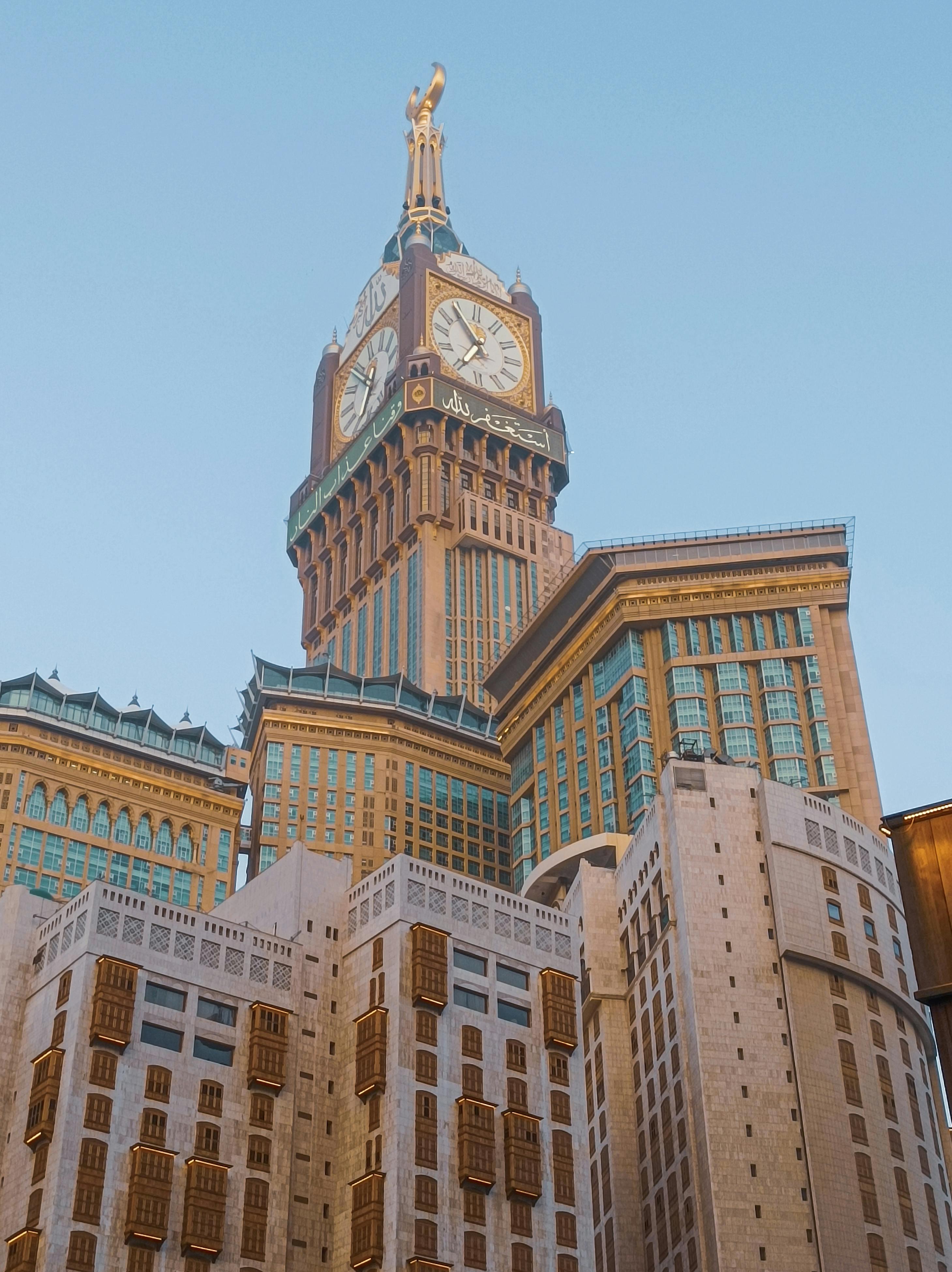
The cities of Makkah and Madinah hold immense spiritual significance for Muslims worldwide. Every year, millions of pilgrims travel to these holy cities to perform Hajj and Umrah, two of the most important religious practices in Islam. As a result, the hotel industry in Makkah and Madinah plays a pivotal role in supporting the local economy. In this article, we explore how hotels in Makkah and Madinah contribute to the local economy, focusing on their impact during the peak seasons of Hajj and Umrah.
The Importance of Religious Tourism to the Saudi Arabian Economy
Saudi Arabia's Economy and Religious Tourism
Religious tourism, especially through Hajj and Umrah, has become a cornerstone of the Saudi Arabian economy. Every year, millions of Muslims visit Makkah and Madinah, significantly boosting the local economy. The Saudi government has been investing heavily in the infrastructure and tourism sectors to support this influx of pilgrims. Hotels in Makkah and Madinah are central to this strategy, offering essential accommodation for visitors and helping drive the country's broader economic growth.
The overall economic impact of religious tourism extends far beyond the hotel industry. It touches many aspects of the local economy, from transportation services to retail, food and beverage, and even the services provided by local businesses. The contributions of the hotel industry are particularly notable, as it provides not just lodging but also jobs, services, and vital revenue streams for the region.
The Role of Makkah and Madinah Hotels in Hajj and Umrah
The hotel industry in Makkah and Madinah is one of the most important contributors to the local economy during both Hajj and Umrah seasons. These hotels cater to the needs of millions of pilgrims, offering a range of accommodation options from basic lodgings to luxury hotels. The number of hotels and the quality of services directly impact the pilgrims' experience, and their spending helps to stimulate the economy in several ways.
The constant demand for accommodation during these seasons has led to the development of new hotels and the expansion of existing ones in Makkah and Madinah. With the steady increase in the number of pilgrims, hotel owners and operators continually look for ways to improve their offerings, ensuring they meet the diverse needs of travelers. These developments have led to significant investments in infrastructure, including road networks, public transportation, and facilities that cater to the needs of pilgrims.
The Economic Impact of Hajj and Umrah on Makkah and Madinah
Hotel Revenue During Hajj
During the Hajj season, hotels in Makkah and Madinah experience a surge in demand. Hajj tourism generates substantial revenue for the local economy, particularly for hotels. The massive influx of pilgrims requires an immense number of rooms, with hotels operating at full capacity throughout the season. The high demand for accommodation leads to an increase in room rates, further driving revenue for hotels in the region.
The peak season of Hajj typically lasts for about a week, but the economic effects last longer due to the preparation and post-Hajj activities. Pilgrims spend significant amounts on accommodation, food, transportation, and souvenirs, and much of this spending occurs within the local community. Hotels play a crucial role in ensuring the pilgrims' comfort and satisfaction, and their success during the Hajj season has a direct correlation with the overall health of the local economy.
Hotel Revenue During Umrah
While Hajj is the primary religious pilgrimage for Muslims, the Umrah season is also a major contributor to the economy of Makkah and Madinah. Unlike Hajj, which occurs at a fixed time each year, Umrah can be performed at any time, making it a year-round source of income for hotels. Although the number of pilgrims during Umrah is typically lower than during Hajj, the consistent flow of visitors still generates significant hotel revenue.
The revenue generated from Umrah tourism is vital to the economy of both Makkah and Madinah, especially since the city of Makkah is home to the Masjid al-Haram, the holiest mosque in Islam. As a result, Umrah tourism provides steady economic activity throughout the year, benefiting not only the hotel industry but also supporting local businesses that cater to pilgrims. The flexibility in travel dates for Umrah also allows hotels to manage bookings more efficiently, helping to maintain consistent revenue throughout the year.
Hotel Demand During Hajj and Umrah
The demand for hotel rooms in Makkah and Madinah peaks during both Hajj and Umrah seasons. During Hajj, the number of pilgrims arriving in the cities is astronomical, making it necessary to expand accommodation options. The accommodation demand during Hajj is not only due to the sheer number of pilgrims but also because of the diversity of accommodations required. Pilgrims have different preferences and budgets, and hotels must cater to this variety, from low-cost options to luxurious five-star establishments.
Similarly, during Umrah, the demand for hotel rooms remains high due to the growing number of pilgrims throughout the year. As the number of Umrah pilgrims continues to increase, hotels in Makkah and Madinah must adapt to accommodate the varying needs of travelers. This consistent demand for rooms has created a stable business environment for hotel owners and operators in these holy cities.
Makkah and Madinah Infrastructure Development
Development of Makkah and Madinah's Infrastructure
The infrastructure in Makkah and Madinah has undergone rapid development in recent years, with a focus on improving the experience of pilgrims. The expansion of transportation networks, construction of new hotels, and upgrades to religious sites are all aimed at supporting the influx of visitors. These developments are designed to ensure that Makkah and Madinah can handle the increasing number of pilgrims, particularly during the peak seasons of Hajj and Umrah.
The government has made substantial investments in infrastructure, including the construction of new roads, bridges, and public transportation systems such as the Makkah Metro. These projects are designed to make it easier for pilgrims to travel between key sites and to their hotels. Additionally, the development of new hotels and accommodations ensures that pilgrims have access to a wide variety of lodging options, meeting their needs and providing an opportunity for hotels to boost their revenue.
Local Businesses in Makkah and Madinah
Hotels in Makkah and Madinah do not operate in isolation; they are deeply integrated into the local economy. Pilgrims rely on various services during their stay, including transportation, food, retail, and entertainment. Local businesses in Makkah and Madinah benefit from the increased demand created by the influx of visitors, and hotels are key facilitators in connecting pilgrims to these services.
Local restaurants, souvenir shops, transportation providers, and other businesses thrive during the Hajj and Umrah seasons, as they cater to the needs of millions of pilgrims. The spending power of pilgrims is significant, and a large portion of it is directed toward these local businesses. By providing a base for pilgrims, hotels directly contribute to the success of these enterprises, thereby boosting the local economy.
Pilgrims' Spending Power and Economic Benefits of Religious Tourism
Pilgrims' Spending Power
The spending power of pilgrims is one of the key economic drivers during Hajj and Umrah seasons. Pilgrims spend money on hotels, food, transportation, souvenirs, and other goods and services. This spending stimulates the local economy, providing income for businesses and jobs for local workers. Hotels benefit from this spending by charging for accommodation, food, and additional services such as transportation and tours.
Hotels in Makkah and Madinah often offer a range of services that cater to the specific needs of pilgrims, such as prayer areas, meal plans, and easy access to religious sites. These services add value to the pilgrims' experience and justify higher hotel rates during peak seasons. The increased revenue generated by hotels during Hajj and Umrah significantly contributes to the overall economic benefits of religious tourism.
Economic Benefits of Religious Tourism
Religious tourism, particularly through Hajj and Umrah, provides numerous economic benefits to Makkah and Madinah. The influx of millions of pilgrims creates jobs, generates tax revenue, and supports local businesses. The hotel industry is one of the primary beneficiaries, but other sectors, including retail, transportation, and hospitality services, also experience growth during these peak seasons.
The Saudi Arabian government recognizes the importance of religious tourism to the nation's economy, and efforts are continually made to enhance the experience of pilgrims. The development of infrastructure, improved accommodation options, and increased investment in tourism facilities all contribute to the long-term economic sustainability of the region.
Conclusion
In conclusion, hotels in Makkah and Madinah play a crucial role in supporting the local economy during the Hajj and Umrah seasons. Their contributions extend beyond providing accommodation for pilgrims, impacting various sectors such as transportation, food services, retail, and local businesses. The demand for hotels during these seasons is a key driver of economic activity in both cities, and the spending power of pilgrims further stimulates the local economy. With ongoing investments in infrastructure and the expansion of the hospitality sector, Makkah and Madinah's hotel industry will continue to thrive, contributing to the Saudi Arabian economy for years to come.


 English
 Arabic
 French
 Spanish
 Portuguese
 Deutsch
 Turkish
 Dutch
Dutch
 Russian
 Romaian
 Portuguese (Brazil)