
Will WhatsApp Leave India? The High-Stakes Battle Over Privacy and National Security
In a recent development that has caused ripples across India, the future of WhatsApp in the country hangs in the balance. The social media giant has issued a warning that it may have to exit India due to a controversial provision in the new IT rules mandated by the government. This provision has sparked a legal battle between WhatsApp and the Indian authorities, raising crucial questions about privacy, national security, and the broader implications of regulating encrypted messaging platforms.
The IT Rules and the First Originator of Information
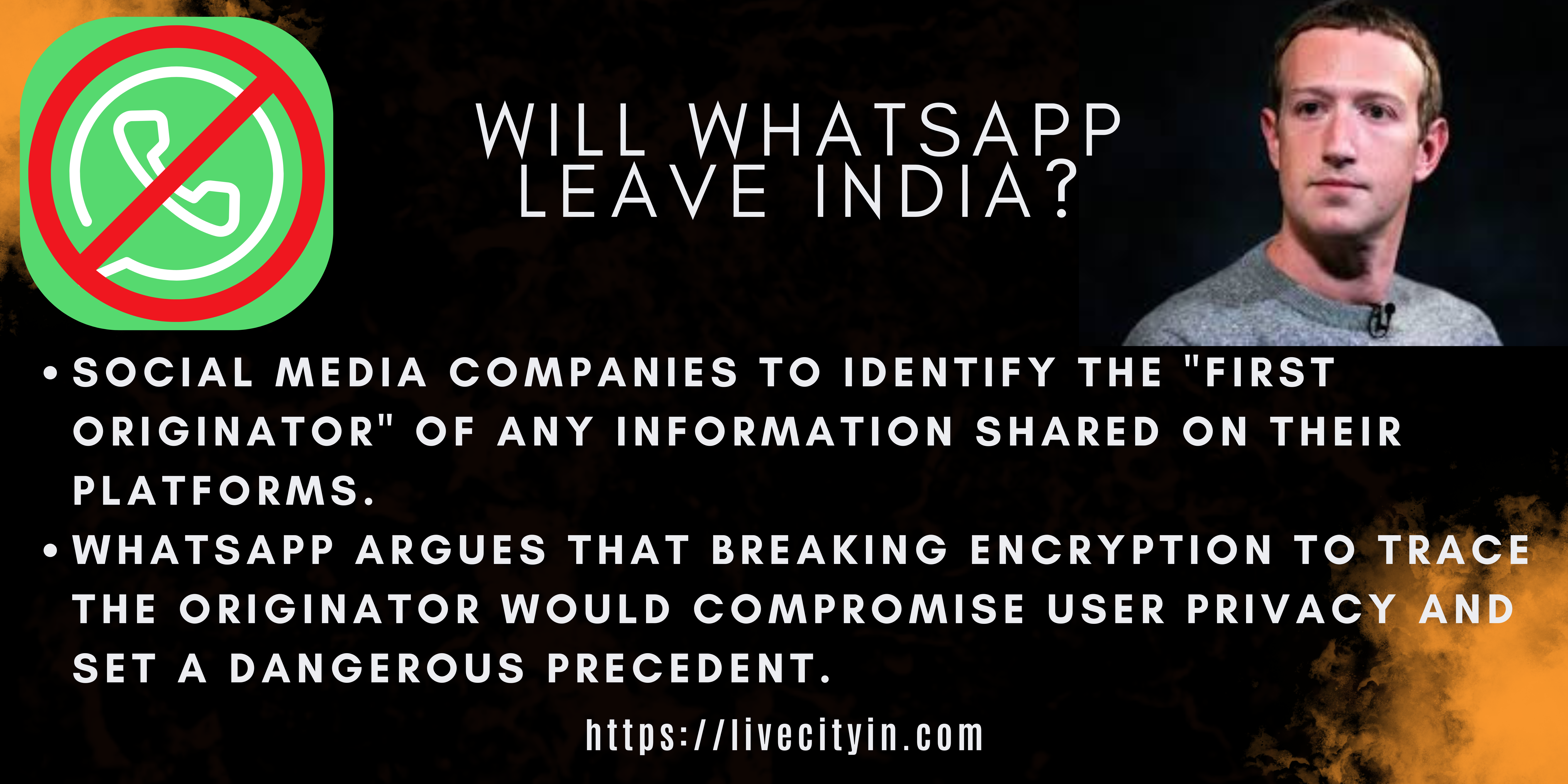
The crux of the issue lies in the IT rules introduced by the Indian government, which require social media companies to identify the "first originator" of any information shared on their platforms. In the case of WhatsApp, where end-to-end encryption ensures that only the sender and receiver can access the content of messages, complying with this provision presents a significant challenge. WhatsApp argues that breaking encryption to trace the originator would compromise user privacy and set a dangerous precedent.
Balancing Privacy and National Interest
The clash between privacy rights and national security interests is at the core of this legal battle. While the government argues that tracking the origin of messages is essential to combat fake news and maintain public order, WhatsApp contends that upholding user privacy is paramount. The complexity of the issue is further compounded by the fundamental right to privacy recognized by the Supreme Court of India, setting the stage for a nuanced legal argument.
Global Implications and Potential Ramifications
The standoff between WhatsApp and the Indian government is not just a localized dispute but has far-reaching implications for tech companies and governments worldwide. The unique nature of India's IT rules, which diverge from international standards, raises concerns about a domino effect where other countries may adopt similar measures. The outcome of this case could set a precedent for how encrypted messaging platforms operate globally and the extent of government intervention in ensuring digital security.
The Future of WhatsApp in India
As the legal battle unfolds in the Delhi High Court, the fate of WhatsApp in India hangs in the balance. Should the court rule in favor of the government's mandate to break encryption, WhatsApp faces a dilemma: comply and risk setting a precedent for global data privacy standards or exit its largest market. The stakes are undeniably high, with implications that extend beyond the borders of India and could shape the future of digital privacy and security worldwide.
In conclusion, the battle between WhatsApp and the Indian government underscores the complex interplay between privacy rights, national security imperatives, and the regulatory challenges posed by encrypted messaging platforms. As the legal proceedings progress, the world watches closely to see how this pivotal case unfolds and its ramifications for the tech industry and user privacy rights globally.

 English
 Arabic
 French
 Spanish
 Portuguese
 Deutsch
 Turkish
 Dutch
Dutch
 Russian
 Romaian
 Portuguese (Brazil)