
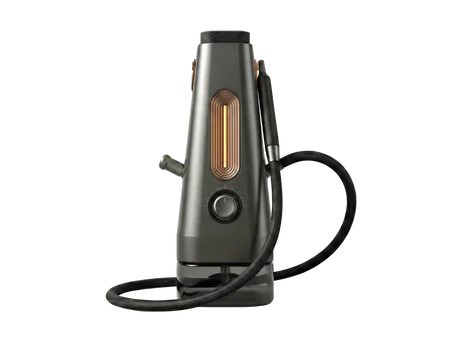
A Dry herb vaporizer offers an alternative approach to traditional smoking by heating botanical material without directly burning it. Modern devices are designed around controlled temperature, portability, and convenient operation. A dry herb vaporizer is an electronic device designed to heat dried botanical material to a controlled temperature. Instead of relying on an open flame, the device uses a heating chamber and battery-powered technology. This controlled heating process produces vapor rather than conventional smoke from combustion. Different models may use conduction, convection, or a combination of both heating methods. How Does Dry Herb Vaporization Work?
The basic principle behind a dry herb vape is controlled heating. Dried botanical material is placed inside a dedicated chamber, where a heating element raises the temperature to a selected level. The goal is to heat the material without creating the high temperatures associated with combustion. Temperature control is one of the most important features because different botanical compounds respond differently to heat. Users should always follow the manufacturer's instructions and applicable laws when operating a vaporizer.
Conduction vs. Convection Heating
Many modern vaporizers use either conduction or convection heating. Conduction systems heat the botanical material through direct contact with a heated chamber. They can reach the desired temperature quickly and may offer a compact design. Convection systems, in contrast, heat the surrounding air before it passes through the material. Hybrid systems combine elements of both approaches. Each method has different design characteristics, so buyers should consider heating consistency, warm-up behavior, device size, and personal preferences when comparing models.
Why Temperature Control Matters
Temperature control is a key part of modern vaporizer technology. A device with adjustable settings gives users greater control over the heating process instead of relying on a single fixed temperature. This can also make the device more versatile for different types of legal dried herbs. However, temperature settings should be used according to the manufacturer's recommendations. A reliable device should provide predictable heating, clear controls, and safety features that help prevent unnecessary overheating during normal operation.
Choosing a Vape for Dry Herb
When selecting a vape for dry herb, buyers should look beyond appearance and consider the complete device experience. Battery capacity, charging options, heating technology, chamber construction, controls, portability, and cleaning requirements can all influence everyday usability. A compact model may be convenient for travel, while a larger device may prioritize battery life or extended sessions. Buyers should also check replacement-part availability and manufacturer support before purchasing. These practical factors can have a greater impact than aesthetics alone.
Portable Design and Everyday Convenience
Portability is one of the biggest advantages of modern herb vaporizer technology. Smaller devices can fit into a pocket, bag, or travel case and are generally designed for convenient personal use. A portable vaporizer may include a rechargeable battery, compact heating chamber, simple controls, and a protective exterior. However, portability should not mean sacrificing build quality. A well-designed device should balance size, durability, battery performance, and ease of maintenance while remaining comfortable to handle during normal use.
Battery Life and Charging Features
Battery performance is another important consideration when comparing vaporizers. A larger battery may provide longer operation between charges, while a smaller battery can contribute to a more compact design. USB charging has also become common across many modern electronic devices. Buyers should look at charging time, battery capacity, charging compatibility, and whether the battery is replaceable or built into the device. Following the manufacturer's charging and storage recommendations can also help maintain battery performance and device safety over time.
Materials and Build Quality
The materials used in a vaporizer can influence durability, appearance, and overall user experience. High-quality materials may be used for the outer housing, mouthpiece, heating chamber, and internal components. Ceramic, glass, stainless steel, and other engineered materials can appear in different parts of a device. Buyers should review the manufacturer's specifications to understand what materials are used. A thoughtfully designed device should also provide secure construction, comfortable controls, and components that can be maintained or replaced when necessary.
Cleaning and Maintenance
Regular maintenance is essential for keeping an herb vaporizer functioning properly. Botanical residue can accumulate around the chamber, airflow pathway, and mouthpiece over time. Cleaning requirements vary between models, so users should follow the manufacturer's instructions rather than applying unsuitable chemicals or tools. Keeping removable components clean can help maintain airflow and overall device performance. Proper storage is also important. The device should be kept in a suitable environment and protected from excessive moisture, heat, or physical damage.
Safety Features to Consider
Safety should always be part of the purchasing decision. Modern vaporizers may include features such as automatic shutoff, temperature regulation, battery protection, and overheating safeguards. These features can help support safer normal operation, but they do not eliminate the need for responsible use. Users should read the instruction manual carefully, use compatible charging equipment, and avoid modifying internal components. Any device showing signs of battery damage, unusual heating, or physical deterioration should be handled according to the manufacturer's safety guidance.
Dry Herb Vape vs. Traditional Smoking
A dry herb vape differs from traditional smoking because it is designed around controlled heating rather than direct combustion. Smoking generally involves burning material at very high temperatures, creating smoke and ash. Vaporization technology aims to heat botanical material without the same combustion process. However, vaporization should not automatically be considered harmless. The health effects can depend on the substance being vaporized, temperature, device quality, and individual circumstances. Adults should make informed decisions and follow local laws regarding botanical products.
Understanding Weed Vaporizer Terminology
The phrase weed vaporizer is commonly used online to describe devices designed for vaporizing cannabis or similar botanical material. Terminology can vary between retailers and manufacturers, so consumers should read product specifications carefully. Some devices are designed specifically for dry botanicals, while others may support concentrates or different materials. Compatibility matters because using an unsuitable substance can affect the device and may create safety concerns. Always check the manufacturer's stated material compatibility before using any vaporizer.
AirVape USA and Modern Vaporizer Technology
AirVape USA focuses on modern vaporizer technology with an emphasis on thoughtful design, portability, temperature control, and user convenience. When considering an AirVape device, consumers should review its individual specifications rather than assuming every model provides the same features. Differences in heating technology, battery capacity, chamber design, controls, and accessories can affect the overall experience. Comparing these specifications with personal requirements can help buyers identify a device that fits their intended legal and responsible use.
What Makes a Good Herb Vaporizer?
A good herb vaporizer should provide a balanced combination of reliable heating, intuitive controls, practical battery performance, quality construction, and manageable maintenance. The ideal choice depends on individual needs rather than one universal specification. Someone prioritizing portability may prefer a compact model, while another buyer may value battery capacity or precise temperature control. Reading product specifications, understanding warranty information, and checking material compatibility are useful steps before making a final purchasing decision.
Final Thoughts
A modern vaporizer can provide a convenient way to explore controlled botanical heating without relying on traditional combustion. Features such as temperature control, heating technology, battery life, build quality, portability, and maintenance should all be considered before choosing a device. Whether researching a weed vaporizer, a vape for dry herb, or a general herb vaporizer, informed comparison is important. AirVape USA offers modern vaporizer designs worth exploring, while responsible adults should always consider safety, product instructions, and local regulations.
FAQs
1. What is a dry herb vaporizer?
A dry herb vaporizer is an electronic device designed to heat dried botanical material using a controlled heating system. Unlike traditional smoking, it is designed to avoid direct combustion and the production of conventional smoke.
2. What is the difference between a dry herb vape and a concentrate vaporizer?
A dry herb vape is designed for dried botanical material, while concentrate vaporizers are specifically engineered for oils, extracts, or concentrates. Some devices may support multiple materials, but compatibility should always be confirmed through the manufacturer's specifications.
3. Is temperature control important in an herb vaporizer?
Yes. Temperature control allows the device to regulate the heating process more precisely. Different botanical materials can respond differently to heat, so adjustable settings can provide greater flexibility when used according to manufacturer instructions.
4. How should a dry herb vape be maintained?
Maintenance generally involves cleaning the chamber, mouthpiece, and airflow components according to the manufacturer's instructions. Regular cleaning can help prevent residue buildup and maintain normal airflow and device performance.
5. What should I consider before buying a vaporizer?
Consider heating technology, temperature controls, battery performance, portability, materials, chamber design, maintenance requirements, warranty support, and compatible materials.

 Arabic
 French
 Spanish
 Portuguese
 Deutsch
 Turkish
 Dutch
Dutch
 Italiano
 Russian
 Romaian
 Portuguese (Brazil)