
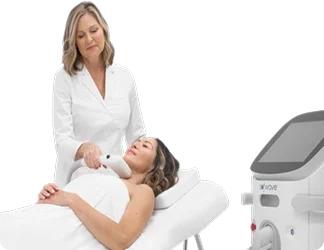
Leaking a little when you laugh, sneeze, or exercise is far more common than most people realise and far more often kept quiet than actually addressed. Pelvic floor weakness affects both women and men, yet many assume little can be done beyond Kegels or simply living with it. EMSella offers a non-surgical option worth understanding before deciding what's right for you.
What Is Pelvic Floor Weakness?
The pelvic floor is a group of muscles supporting the bladder, bowel, and, in women, the uterus. When these muscles weaken, they're less able to control the release of urine, leading to leakage during everyday activities.
Common Causes
Pregnancy and childbirth, ageing, menopause, chronic coughing, heavy lifting, obesity, and prior pelvic surgery can all contribute to weakened pelvic floor muscles. It's not limited to women men can experience similar issues, particularly following prostate surgery.
Symptoms to Look Out For
Common signs include leaking urine when coughing, sneezing, or exercising, a frequent or urgent need to urinate, and reduced pelvic support sensations. Symptoms range from mild and occasional to more disruptive and frequent.
How Does EMSella Work?
EMSella uses High-Intensity Focused Electromagnetic (HIFEM) technology to stimulate the pelvic floor muscles directly. During a session, the device induces thousands of supramaximal muscle contractions far more intense than what's achievable through voluntary exercise alone helping to strengthen and re-educate the muscles over time.
What Happens During Treatment?
Patients remain fully clothed and seated throughout the session, which typically lasts around 30 minutes. Most people describe the sensation as a strong, rhythmic muscle contraction rather than discomfort, and there's no downtime afterwards.
Expected Results and Timeline
A typical course involves multiple sessions over several weeks, as consistent stimulation is needed to build meaningful muscle strength. Some patients notice improvements during the course of treatment, though full benefits usually develop gradually as muscle tone improves.
Who Is a Suitable Candidate?
EMSella may be appropriate for those experiencing mild to moderate stress urinary incontinence or general pelvic floor weakness. It isn't suitable for everyone, however certain medical conditions and implanted devices may rule out treatment, which is why a proper assessment is essential before starting. Those exploring options via pelvic floor treatment London should expect a thorough discussion of symptoms and medical history first.
Safety Considerations and Realistic Expectations
EMSella is non-invasive and generally well tolerated, with no needles, incisions, or recovery time required. That said, results vary between individuals depending on the severity of weakness and consistency of the treatment course, and it isn't guaranteed to resolve all types of incontinence, particularly more complex or severe cases.
EMSella vs Other Pelvic Floor Options
Kegel Exercises
Kegels remain a valuable first step for many people, but consistency and correct technique are common challenges, and results can be slow to achieve without guidance.
Pelvic Floor Physiotherapy
Specialist physiotherapy offers tailored guidance and can be highly effective, particularly when combined with other approaches. It's often recommended as a complementary option alongside EMSella rather than a replacement.
Lifestyle Changes
Maintaining a healthy weight, managing chronic coughs, and avoiding excessive heavy lifting can all support pelvic floor health alongside any treatment.
For many patients, EMSella offers a more time-efficient way to achieve stronger, more consistent contractions than exercises alone, making it a useful option for those exploring EMSella treatment London as part of a broader pelvic health plan.
When Should You Seek Professional Assessment?
If leakage is frequent, affecting your confidence or daily activities, or accompanied by pelvic discomfort, it's worth seeking an assessment rather than assuming it's simply something to manage alone. Early assessment often leads to more effective, less invasive management.
Frequently Asked Questions
Is EMSella painful?
No, most patients describe a strong tingling or contracting sensation rather than pain.
How many sessions are typically needed?
A course is usually several sessions over a few weeks, though this varies depending on individual symptoms.
Can men use EMSella too?
Yes men experiencing pelvic floor weakness, including after prostate surgery, may also benefit.
Is EMSella a replacement for pelvic floor physiotherapy?
Not necessarily many patients benefit from combining both approaches rather than choosing one over the other.
How long do results last?
Results depend on maintaining pelvic floor strength afterwards; some patients benefit from occasional maintenance sessions.
Final Thoughts
Pelvic floor weakness and bladder leakage are common, but they don't have to be permanent or simply managed around. Understanding your options, including realistic expectations for treatments like EMSella, is an important step towards better bladder control and confidence. Booking a consultation at SculptMD for a personalised assessment including guidance on urinary incontinence treatment London can help you find the most suitable path forward for your individual needs.

 English
 Arabic
 French
 Spanish
 Portuguese
 Deutsch
 Turkish
 Dutch
Dutch
 Italiano
 Russian
 Romaian