
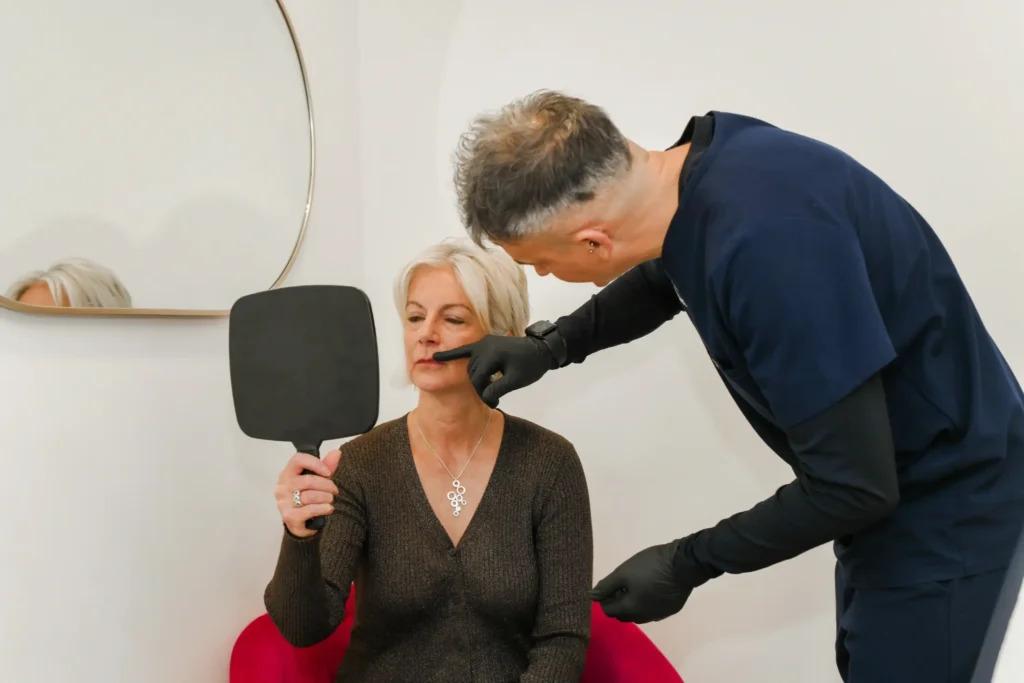
Do you ever catch yourself mid-task with your teeth pressed tightly together, jaw aching, temples tender? You're not alone. Unconscious jaw clenching, often linked to bruxism (teeth grinding), is one of the most common and most overlooked habits affecting adults in the UK. Many only notice it once symptoms like facial tension, headaches, or a squarer jawline appear.
What Is Jaw Clenching and Bruxism?
Jaw clenching is the involuntary tightening of the jaw muscles, usually without conscious awareness. Bruxism refers specifically to grinding or gnashing the teeth, which often occurs alongside clenching. Both can happen during the day (awake bruxism) or at night (sleep bruxism), typically driven by similar underlying triggers.
Common Causes of Unconscious Jaw Clenching
Stress and Anxiety
Emotional tension is a leading cause. The jaw is a common place the body stores stress, tightening reflexively without you noticing.
Sleep-Related Factors
Sleep bruxism is closely associated with disrupted sleep and, in some cases, sleep apnoea, often occurring during lighter sleep stages.
Misaligned Bite or Dental Issues
An uneven bite can cause the jaw muscles to overcompensate, leading to habitual clenching.
Lifestyle Factors
High caffeine or alcohol intake, smoking, and certain medications can increase muscle activity and clenching frequency.
How Jaw Clenching Affects Oral Health and Appearance?
Functional Concerns
Persistent clenching can lead to worn or fractured teeth, jaw pain, and temporomandibular joint (TMJ) discomfort. Many people also experience tension headaches or earache-like pain radiating from the jaw.
Cosmetic Concerns
Over time, chronic clenching can cause the masseter muscles, the main chewing muscles at the back of the jaw, to enlarge through repeated overuse, similar to how any muscle grows with repetitive exercise. This can create a squarer or more prominent jawline, which some people find affects the balance of their facial appearance.
Diagnosis: How Is Bruxism Identified?
A dentist or clinician will typically assess tooth wear, jaw muscle tenderness, and any clicking or restricted movement in the jaw joint. They may ask about sleep quality, stress levels, and headache frequency to build a fuller picture before recommending treatment.
Treatment Options for Jaw Clenching
Night Guards
Custom-fitted night guards protect teeth from grinding damage but don't reduce the underlying clenching habit itself.
Stress Management and Physiotherapy
Relaxation techniques and targeted jaw physiotherapy can help reduce clenching frequency by addressing root causes rather than symptoms alone.
Lifestyle Adjustments
Reducing caffeine and alcohol, improving sleep hygiene, and being mindful of daytime clenching can meaningfully ease symptoms.
Masseter Botox
For those with persistent muscle tension or cosmetic concerns around masseter enlargement, masseter Botox is a well-established option. Botulinum toxin is injected into the masseter muscles, temporarily relaxing them so they clench with less force. This can ease jaw tension and headaches while gradually softening the jawline as the muscle reduces in size with repeated treatment. Results generally begin within one to two weeks and typically last three to four months, though this varies between individuals. As with any treatment, results depend on individual muscle patterns, so a thorough consultation is essential. Patients considering teeth grinding treatment Aylesbury often find this approach addresses both function and appearance together.
Aftercare is straightforward, avoiding vigorous massage of the treated area and strenuous exercise for a short period afterwards is generally advised, along with a follow-up review.
Botox vs Other Options: What's Right for You?
There's no single "best" treatment; it depends on your symptoms. Night guards suit those mainly concerned with protecting teeth. Stress management and physiotherapy suit those addressing root causes. Masseter Botox suits those with both functional discomfort and cosmetic concerns about jaw size, often used alongside other approaches for bruxism botox Aylesbury patients seeking longer-lasting relief.
Frequently Asked Questions
Is jaw clenching the same as TMJ disorder?
Not exactly clenching can contribute to TMJ disorder, but TMJ refers specifically to problems with the jaw joint itself.
Can jaw clenching cause facial asymmetry?
Uneven clenching habits can occasionally lead to one masseter muscle appearing larger than the other.
Does masseter Botox affect chewing?
Some patients notice mild changes in chewing strength initially, which typically settles as muscles adjust.
How many sessions are needed for jawline slimming?
Noticeable slimming often requires two to three sessions over several months, as muscle bulk reduces gradually.
Is treatment suitable for everyone?
No suitability depends on individual health history and muscle assessment, which is why a consultation is essential before proceeding with jaw slimming injections Aylesbury.
Final Thoughts
Unconscious jaw clenching is common, but persistent symptoms shouldn't be ignored. Whether it's nightly grinding, daytime tension, or gradual changes to your jawline, understanding the cause is the first step towards effective management. If you're experiencing ongoing discomfort or would like to explore whether masseter Botox is right for you, booking a consultation with an experienced practitioner at The Hamble Clinic can help you find a treatment plan tailored to your individual needs.

 Arabic
 French
 Spanish
 Portuguese
 Deutsch
 Turkish
 Dutch
Dutch
 Italiano
 Russian
 Romaian
 Portuguese (Brazil)