
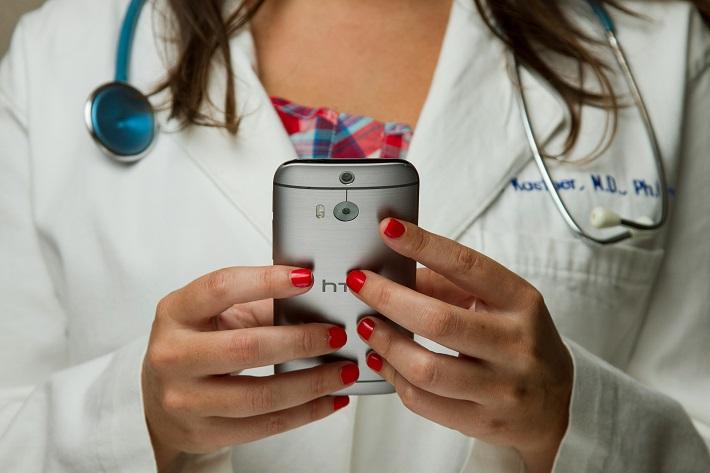
When an employee gets injured on the job, the first few minutes matter more than most people realize. Phone triage connects an injured worker to a trained nurse within moments of an incident, helping determine whether the injury needs emergency care, urgent care, or simple first aid at the worksite. This quick conversation prevents unnecessary ER visits, reduces panic, and sets the recovery process moving in the right direction from the very start. For employers and workers alike, this first call often decides how smoothly everything that follows will go.
What Happens During That First Call
The moment an injury occurs, someone picks up the phone. On the other end is a registered nurse who asks specific, calm questions about what happened, how it happened, and what symptoms are present. This isn't a scripted robot reading off a checklist. It's a real conversation designed to figure out the severity of the situation quickly and accurately.
Phone triage works because it removes guesswork from a moment when people are least equipped to think clearly. A supervisor watching a coworker in pain doesn't need to decide alone whether that person needs stitches or just a bandage. The nurse on the line has seen thousands of similar cases and can sort through symptoms methodically, asking the right follow-up questions to rule out anything serious.
A Nurse, Not a Guessing Game
There's a real difference between a worried coworker Googling symptoms and a licensed professional walking through a structured assessment. The nurse listens for red flags, checks for signs of shock or deeper injury, and gives clear next steps. Sometimes that means calling 911 immediately. Other times it means simple ice, rest, and a follow-up check the next morning.
Why Workplace Injury Triage Saves Time and Money
Every unnecessary emergency room visit costs money and time, both for the worker and the business. Workplace injury triage through a phone call helps sort minor sprains from serious fractures before anyone drives to a hospital. That single decision point can save hours of waiting room time and thousands of dollars in avoidable charges.
There's also the matter of documentation. When a nurse handles the initial assessment, there's a clear, time-stamped record of what was reported and what was recommended. This record becomes valuable later if a claim needs review or if a pattern of injuries at a particular site needs attention. Phone triage essentially builds accountability into the very first step of the injury response process, long before paperwork officially begins.
Businesses that adopt this approach often notice fewer claims escalate into drawn-out cases. Catching an injury early and directing it to the right level of care, whether that's a clinic visit or simply rest, keeps recovery timelines shorter and disputes less likely.
The Human Side of a Stressful Moment
Getting hurt at work is unsettling, even when the injury turns out to be minor. Fear and adrenaline can make small cuts feel like emergencies and make real emergencies feel manageable when they aren't. A calm, experienced voice on the phone helps steady that moment. Phone triage offers reassurance alongside medical guidance, which matters just as much as clinical accuracy.
Workers often remember how they were treated right after an injury for a long time afterward. A rushed, dismissive response can breed resentment or mistrust, even if the medical outcome is fine. A thoughtful nurse taking five extra minutes to explain what's happening and why builds trust that carries through the rest of the recovery process.
How It Fits Into a Larger Safety Culture
No single tool fixes every safety issue on its own. But workplace injury triage conducted by phone fits neatly into a broader approach that values quick response, clear communication, and respect for the worker's experience. It signals that a company takes injuries seriously from the very first phone call, not just after paperwork is filed.
Over time, teams that use this kind of immediate, professional response tend to see better morale around safety topics. Workers feel like there's a real system in place, not just a binder of policies nobody reads. That sense of support, built one phone call at a time, shapes how people view their workplace long after the injury itself has healed.
The real value of phone triage isn't just in sorting symptoms correctly, though that matters plenty. It's in showing an injured worker that someone is paying attention right when it counts most. That first conversation, handled well, often becomes the difference between a smooth recovery and a frustrating one, and it's worth treating as seriously as any other part of workplace safety.

 English
 French
 Spanish
 Portuguese
 Deutsch
 Turkish
 Dutch
Dutch
 Italiano
 Russian
 Romaian
 Portuguese (Brazil)