
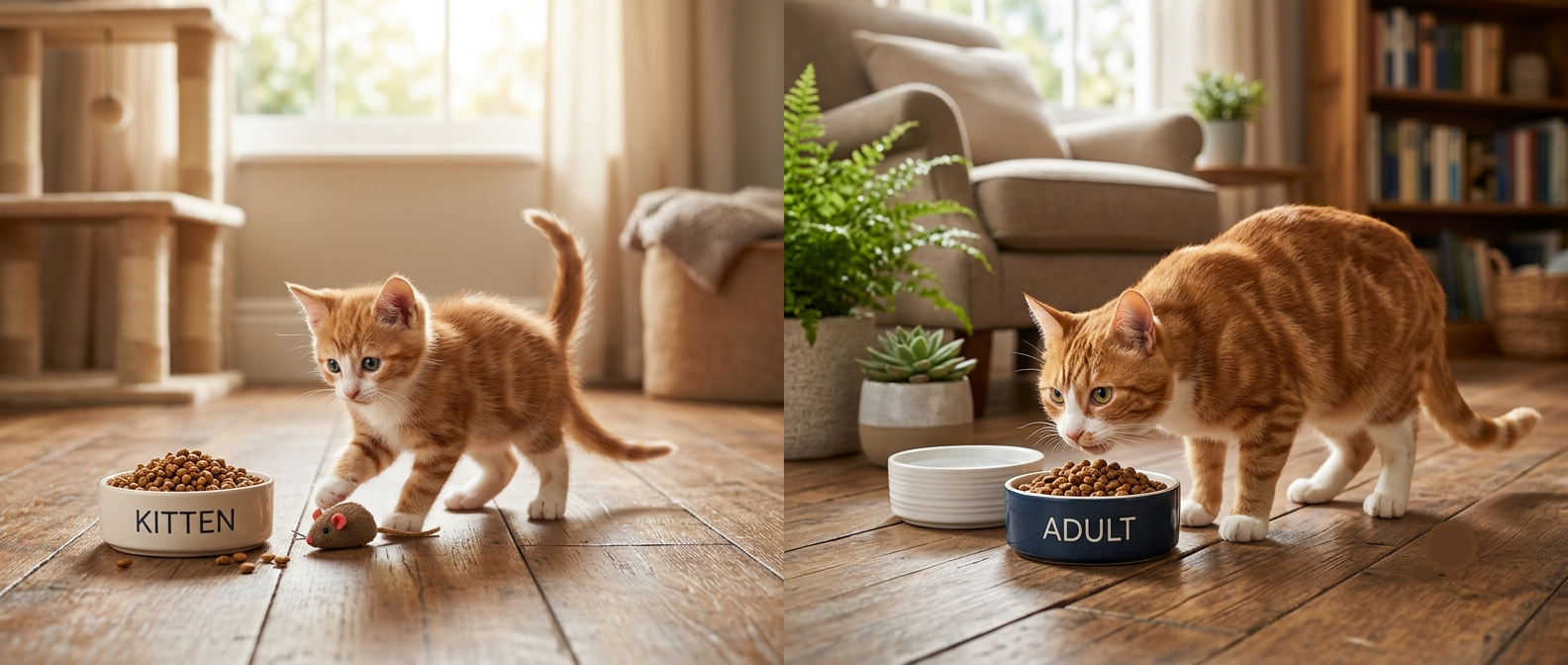
Watching a tiny, energetic kitten grow into a sleek, sophisticated adult cat is one of the most rewarding experiences a pet parent can have. Those early months are a whirlwind of frantic play sessions, midnight zoomies, and rapid physical development. To fuel this intense growth phase, your feline companion requires a highly specialized diet that is densely packed with calories, fats, and essential nutrients.
However, as your cat approaches their first birthday, their biological needs begin to plateau. The relentless growth slows down, their metabolism stabilizes, and their activity levels settle into a more predictable routine. This milestone is known as the feline mid-life shift. Continuing to feed a mature cat a diet designed for a growing kitten can quickly lead to unwanted weight gain and nutritional imbalances. Recognizing when and how to transition your pet to mature nutrition is vital for ensuring long-term health, vitality, and longevity.
The Biological Difference: Kitten Kibble vs. Adult Cat Food
To understand why a dietary shift is necessary, it helps to examine the distinct nutritional profiles required at different life stages. Kittens are building muscle, developing bone structure, and forming internal organ systems at a remarkable pace. Consequently, standard kitten food is incredibly rich. It contains significantly higher percentages of crude protein and fat compared to maintenance formulas. It is also fortified with increased levels of calcium and phosphorus for skeletal development, alongside Docosahexaenoic Acid (DHA), an omega-3 fatty acid crucial for brain and vision development.
Once a cat reaches physical maturity, these high-calorie, nutrient-dense formulations are no longer necessary. Adult cats require balanced maintenance nutrition. Their diet focuses on muscle preservation, immune support, weight management, and organ function rather than rapid growth.
Feeding a fully grown feline a kitten diet long-term is akin to an adult human eating a diet designed for a fast-growing toddler. The excess calories can quickly result in obesity, which places undue stress on feline joints and increases the risk of metabolic issues like diabetes. The ideal maintenance diet balances protein and fats while incorporating targeted fiber to aid digestion and manage hairballs.
When to Make the Transition
For most domesticated cats, the magic number for transitioning to mature nutrition is twelve months. At one year of age, a cat is biologically considered an adult. However, this timeline is not completely universal.
The ideal window for a dietary switch can vary based on breed, size, and individual development rates:
-
Standard Domestic Breeds: Domestic shorthairs, Siamese, and Bengals typically complete the majority of their skeletal growth by their first birthday, making twelve months the perfect time to switch.
-
Large Breeds: Slow-maturing giant breeds, such as Maine Coons and Norwegian Forest Cats, can take anywhere from eighteen months to two full years to reach their full skeletal size and muscle mass. These cats often benefit from staying on kitten formulas or specialized growth diets for a longer duration.
-
Sterilization Status: Spaying or neutering a cat alters their hormonal balance and typically slows down their metabolic rate. If your kitten is fixed around six months of age, you may need to monitor their body condition closely. Some veterinarians recommend transitioning slightly earlier if an indoor, sterilized kitten shows signs of early weight gain.
Before making any definitive adjustments to the food bowl, a quick consultation with your veterinarian can provide a tailored timeline based on your cat's specific body condition score.
How to Smoothly Transition Foods
Cats are notorious creatures of habit, and their digestive systems are highly sensitive to sudden changes. Upending their daily routine by abruptly swapping out their kibble can lead to gastrointestinal distress, resulting in vomiting, diarrhea, or a complete refusal to eat. A gradual introduction is the golden rule of feline dietary management.
A successful transition should take place over a span of seven to ten days. By slowly altering the ratios of old food to new food, you give your cat's stomach enzymes and gut microbiome ample time to adapt to the new ingredient profile.
The Step-by-Step Mixing Guide
-
Days 1 and 2: Fill the bowl with 75% of the original kitten kibble and 25% of the new adult formulation.
-
Days 3 and 4: Move to a balanced 50% split, mixing equal parts of both varieties thoroughly so your cat cannot easily sort through and pick out one over the other.
-
Days 5 and 6: Shift the balance to 25% kitten kibble and 75% of the new adult formula.
-
Day 7 and Beyond: Fill the bowl with 100% of the new adult formulation.
If your cat exhibits a sensitive stomach, develops loose stool, or turns up their nose at the new mixture, simply slow down the process. Hold the current ratio for an extra two or three days before increasing the amount of new food.
Selecting Premium Adult Formulations
When looking for the best adult cat food, prioritizing high-quality, animal-based proteins as the very first ingredient is essential. Cats are obligate carnivores, meaning their bodies are biologically designed to process meat rather than plant matter. The ideal adult formula should offer transparent ingredient sourcing, a robust balance of omega fatty acids for skin and coat health, and essential amino acids like taurine, which supports cardiac health and clear vision.
Exploring options from top cat food brands allows pet parents to find formulations tailored to specific lifestyles, whether dealing with an indoor lounger, a long-haired breed prone to hairballs, or a cat with a sensitive stomach. Shopping via reliable pet supply platforms ensures access to authentic, premium products that support this vital life stage.
Several high-quality adult options available through Kwik Pets cater to these specific dietary needs:
-
AvoDerm Natural Indoor Formula Adult Dry Cat Food: An excellent choice for indoor felines, this formula features premium chicken and herring meal to support lean muscle mass. The inclusion of omega-rich avocados promotes a brilliant, shiny coat while helping to minimize shedding and manage hairballs.
-
Lucy Pet Products Formulas for Life (Salmon, Pumpkin & Quinoa): This premium kibble is built around complex digestive health. It utilizes a gut-conscious blend of pumpkin and quinoa alongside high-quality salmon protein, making it fantastic for adult cats transitioning from rich kitten foods who may need extra gastrointestinal support.
-
Natural Balance Limited Ingredient Grain-Free Green Pea & Salmon: Ideal for adult cats that exhibit sensitivities to common grains or specific poultry proteins. This limited-ingredient diet offers a clean, streamlined protein source from salmon, ensuring your adult cat gets pure nutrition without unnecessary fillers.
Monitoring Your Cat Post-Transition
The process does not end once the seventh day passes and the bowl is filled with adult food. Maintaining an eye on your cat's physical appearance and behavior over the subsequent two months is crucial.
Keep a close eye on the following health indicators:
Weight and Body Condition
You should be able to easily feel your cat’s ribs without a thick layer of fat covering them, and they should display a visible waistline when viewed from above. If they begin losing weight rapidly or padding on extra pounds, you may need to adjust the daily portion size.
Coat Quality and Texture
A successful diet will manifest as a sleek, glossy, and soft coat. Increased dandruff, excessive shedding, or a dull, coarse texture can indicate that the new food lacks adequate omega fatty acids.
Litter Box Habits
Consistently firm, formed stools indicate excellent nutrient absorption. Frequent loose stools, straining, or excessive gas suggest that the ingredient profile may not be sitting well with their digestive system.
By staying patient, tracking physical milestones, and utilizing premium dietary options, you can navigate the mid-life transition seamlessly, setting your feline companion up for a vibrant, healthy adult life.
Frequently Asked Questions
Can I leave my adult cat on kitten food indefinitely?
Leaving an adult cat on a kitten diet long-term is highly discouraged unless specifically advised by a veterinarian for medical reasons, such as managing a severe undernutrition issue. Because kitten food is exceptionally high in calories and fat, a healthy adult cat consuming it regularly will likely become overweight, increasing their risk for joint strain, hepatic lipidosis, and diabetes.
What should I do if my cat refuses to eat the new adult food?
If your cat rejects the new mixture, try slowing the transition down even further. You can also try enhancing the aroma by mixing in a small amount of premium wet food or warming the food slightly to release the natural scents of the meat. Cats rely heavily on their sense of smell to determine what is edible, and a warm meal is often much more enticing.
Is it better to feed my adult cat dry kibble or wet food?
A combination of both dry kibble and wet food often provides the ideal balance. Wet food provides excellent hydration, which supports kidney health and prevents urinary tract issues, while high-quality dry kibble offers feeding convenience and crunchy textures that cats enjoy.
Does a spayed or neutered kitten need to switch to adult food sooner?
Sterilization can reduce a cat's metabolic rate, meaning they require fewer daily calories to maintain a healthy weight. While they still need structural nutrients for growth until they are a year old, you must monitor their portions closely. If a fixed kitten begins gaining excess fat around nine or ten months, consult your vet about starting the transition to adult maintenance food a bit early.
How often should I feed my adult cat compared to when they were a kitten?
Kittens have small stomachs and burning metabolisms, requiring three to four small meals a day. Once they transition to adulthood, their feeding schedule can be scaled back to two balanced meals per day, though some owners prefer using automated feeders to offer smaller, controlled portions throughout the day to mimic natural hunting habits.

 English
 Arabic
 Spanish
 Portuguese
 Deutsch
 Turkish
 Dutch
Dutch
 Italiano
 Russian
 Romaian
 Portuguese (Brazil)