
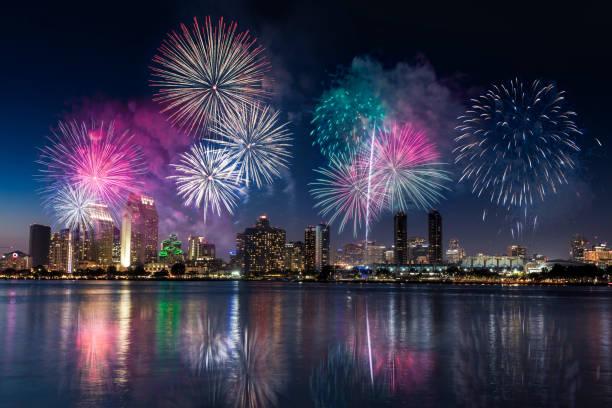
A spectacular firework show is a perfect combination of vivid colors, thunderous explosions, rhythmic bursts, and dazzling sparkling trails. Every breathtaking aerial effect relies on a sophisticated formula composed of oxidizers, binders, colorants, and metallic fuels. While ammonium perchlorate and nitrocellulose dominate the oxidation and bonding systems inside pyrotechnic products, magnesium aluminium alloy powder (Mg-Al alloy powder) acts as the primary metallic fuel that generates iconic silver and white sparkles across all types of fireworks.
For firework manufacturers and pyrotechnic enthusiasts, selecting qualified magnesium aluminium alloy powder directly determines the brightness, spark texture, and overall stability of finished products. This article dives deep into the basic traits of Mg-Al alloy powder, its core functions in fireworks, the scientific mechanism behind various spark effects, practical application tips, and critical safety guidelines for daily production.
What Is Magnesium Aluminium Alloy Powder?
Magnesium aluminium alloy powder is a composite metallic material produced by atomizing or mechanically alloying magnesium and aluminium in specific proportions. The most widely used ratio for pyrotechnics ranges from 30% to 50% magnesium content, which strikes a perfect balance between combustion activity and chemical stability.
Different from pure magnesium powder and pure aluminium powder, Mg-Al alloy powder integrates the advantages of two metals. Pure magnesium features ultra-fast combustion and high luminous efficiency but comes with excessive chemical activity and high spontaneous combustion risks. Pure aluminium powder delivers stable burning and long-lasting sparks yet suffers from slow ignition speed and insufficient brightness.
By alloying magnesium and aluminium, manufacturers obtain a pyrotechnic fuel with moderate ignition sensitivity, adjustable combustion speed, high calorific value, and excellent anti-oxidation performance. Thanks to these superior properties, it has gradually replaced single metal powder and become the mainstream fuel for modern commercial fireworks and stage pyrotechnics.
Core Functions of Mg-Al Alloy Powder in Fireworks
1. High-Efficiency Metallic Fuel
The fundamental role of magnesium aluminium alloy powder is to serve as the main high-energy fuel. When paired with powerful oxidizers such as ammonium perchlorate and potassium perchlorate, the alloy powder undergoes intense redox reactions at high temperatures. The combustion process releases massive heat and concentrated light energy, supporting all luminous and explosive effects of fireworks.
Compared with traditional single metal powder, Mg-Al alloy powder releases higher heat per unit mass. It can raise the internal flame temperature of pyrotechnic compositions to over 2000℃, which not only creates brilliant sparks but also assists colorants to achieve saturated and vivid chromatic effects.
2. Diverse Customizable Spark Effects
Creating differentiated spark styles is the most valuable function of Mg-Al alloy powder. By adjusting the powder particle size, alloy proportion, and formula dosage, pyrotechnic technicians can produce three mainstream spark effects to fit various firework types:
- Fine Mist Sparks: Adopting fine-grained Mg-Al powder, the material burns rapidly in the air to form dense, soft silver mist. This effect is widely applied in small handheld sparklers, fountain fireworks, and indoor stage cold pyrotechnics for a gentle and dreamy visual experience.
- Long-Trail Brilliant Sparks: Medium-sized particles burn continuously during the aerial flight of firework shells, forming smooth and extended silver-white spark trails. It is commonly used in aerial shells, comets, and cross-shaped fireworks to enrich the layering of outdoor night shows.
- Burst Star Sparks: Coarse granular alloy powder burns violently at the explosion moment of firework shells, scattering countless bright star-like spark points. This classic effect is the core of large-scale celebration fireworks and grand festival displays.
3. Optimize Formula Combustion Stability
Unstable combustion is one of the most common defects in low-quality fireworks, including delayed ignition, partial misfire, and inconsistent explosion height. Mg-Al alloy powder with standardized ratios boasts stable decomposition and ignition thresholds, which can coordinate perfectly with nitrocellulose binders and ammonium perchlorate oxidizers.
This synergistic system ensures the pyrotechnic composition ignites easily and burns uniformly. It effectively reduces defective rates during mass production and guarantees consistent display effects for batch-produced fireworks.
The Science Behind Mg-Al Spark Formation
The formation of silver-white sparks originates from the high-temperature oxidation reaction of magnesium and aluminium elements. Once the firework’s priming agent ignites, Mg-Al particles are heated instantly and react violently with oxygen released by ammonium perchlorate inside the formula.
During combustion, the alloy particles are partially gasified and melted to form high-temperature metal vapor. When the vapor contacts external air, it is rapidly oxidized to produce magnesium oxide and aluminium oxide high-temperature solid particles. These glowing solid particles emit strong silver-white visible light, forming the sparks audiences see.
Particle size directly controls spark duration and shape: fine particles complete oxidation in milliseconds for short mist sparks, while coarse particles prolong the combustion cycle to form long, gorgeous spark trails.
Mg-Al Alloy Powder vs Pure Magnesium & Aluminium Powder
Many beginner formula developers struggle to choose between alloy powder and single metal powder. Here are the key advantages of magnesium aluminium alloy powder for pyrotechnic use:
- Higher Safety: Lower chemical activity than pure magnesium powder, effectively avoiding spontaneous combustion caused by moisture absorption during storage and mixing.
- Better Ignition Performance: Easier to ignite than pure aluminium powder, compatible with low-power priming agents to simplify formula design.
- Stronger Weather Resistance: Resists oxidation and deliquescence in humid environments, extending the shelf life of finished fireworks.
- Rich Visual Effects: Balanced luminous color, presenting pure silver-white sparks without the yellowish deviation of single aluminium powder.
Pro Tips for Using Mg-Al Powder in Firework Formulas
1. Particle Size Selection
Fine powder (200–300 mesh): Ideal for cold spark machines, handheld sparklers, and small fountains. Coarse powder (80–120 mesh): Suitable for large aerial shells and burst-type celebration fireworks.
2. Best Formula Matching
The classic ternary pyrotechnic formula consists of ammonium perchlorate (oxidizer), nitrocellulose (binder & auxiliary fuel), and magnesium aluminium alloy powder (main fuel). The recommended mass ratio for daily production is 5:2:3, which achieves the best balance between brightness, safety and cost.
3. Storage Guidelines
Store Mg-Al alloy powder in dry, ventilated, sealed containers, and keep it away from humid air, open flames, static electricity, and strong oxidizers. Never mix alloy powder with ammonium perchlorate before formal batching to eliminate potential safety hazards.
Critical Safety Precautions
Although Mg-Al alloy powder is safer than pure magnesium powder, it still belongs to dangerous energetic materials. Floating fine alloy dust can trigger dust explosions when encountering ignition sources. All batching operations must be carried out in dust-proof workshops with static elimination devices.
Workers must wear dedicated dust-proof masks and anti-static work clothes. In addition, finished fireworks containing Mg-Al alloy powder need to follow IMDG and UN 1418 transportation standards for cross-border shipping to avoid regulatory violations.
Final Words
Behind every dazzling silver spark in fireworks lies the sophisticated chemical properties of magnesium aluminium alloy powder. As the most reliable metallic fuel in modern pyrotechnics, it complements ammonium perchlorate and nitrocellulose, forming the core chemical foundation of mainstream firework formulas worldwide.
From tiny handheld sparklers to spectacular large-scale aerial fireworks, Mg-Al alloy powder continuously converts chemical energy into stunning visual art. Understanding its functions, spark generation mechanism and usage rules not only helps formula developers optimize product performance but also allows firework lovers to appreciate the wonderful science behind every brilliant moment.

 Arabic
 French
 Spanish
 Portuguese
 Deutsch
 Turkish
 Dutch
Dutch
 Italiano
 Russian
 Romaian
 Portuguese (Brazil)