
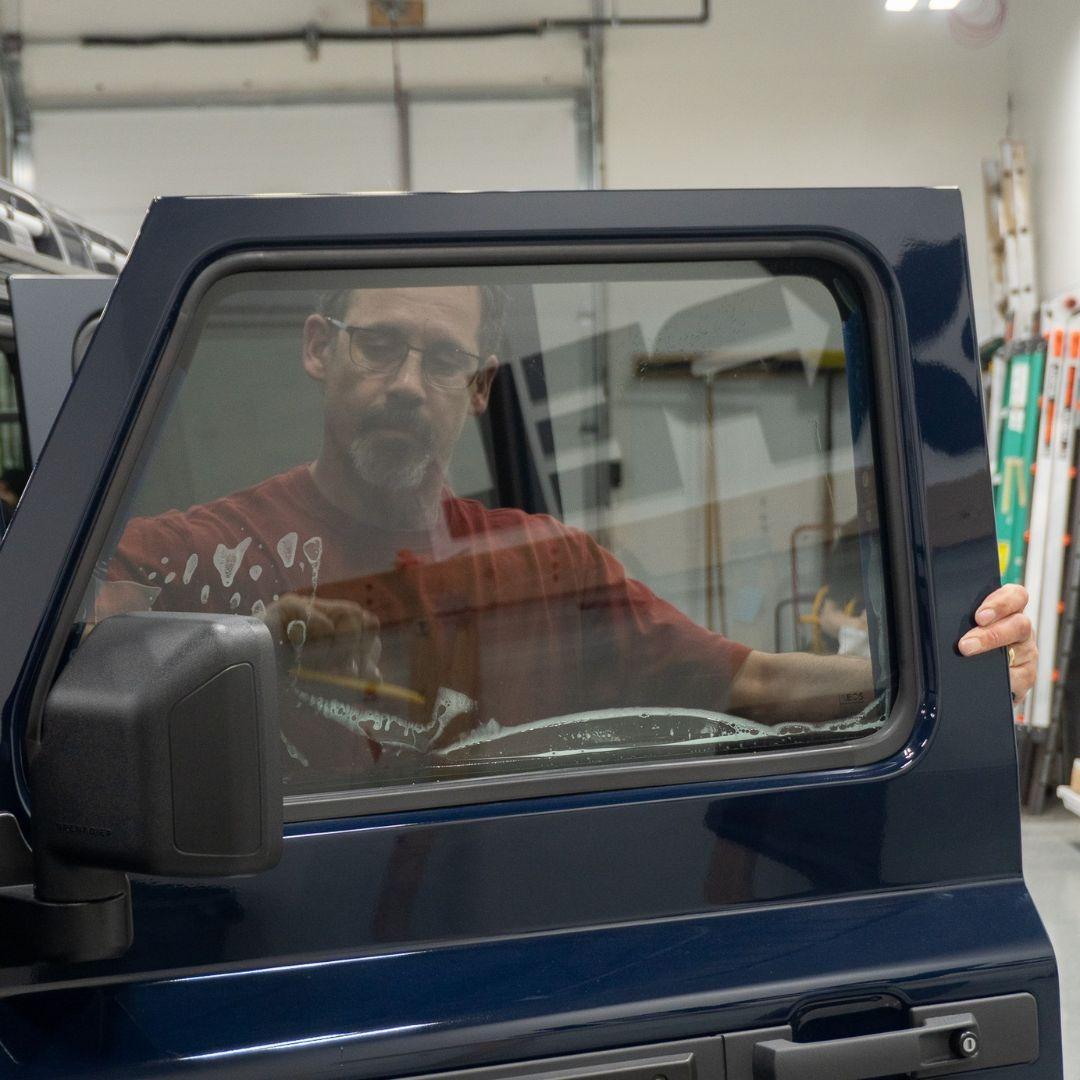
Window tint typically lasts between 5 and 10 years, depending on the film quality, installation method, and how well you maintain it. Some premium films can push past a decade with proper care. The short answer is: buy quality, get it installed right, and it will serve you well for years.
What Affects the Lifespan of Window Tint?
Not all tint is created equal. The type of film you choose plays a massive role in how long it holds up.
Film Quality Makes a Real Difference
Dyed films are the most affordable option, but they tend to fade faster, especially in states with intense sun exposure. Metallic and carbon films perform better over time. Ceramic films sit at the top of the ladder. They resist UV degradation, hold their color longer, and generally outlast cheaper alternatives by several years. If you are investing in your vehicle or home, spending a little more upfront on film quality is usually worth it.
Think of it like buying a good pair of shoes. The cheap ones fall apart in a season. The quality ones last years and still look sharp.
Sun Exposure and Climate
Where you live matters. A car parked outdoors in Phoenix, Arizona, faces a very different environment than one garaged in Minneapolis, Minnesota. Constant UV exposure, heat cycles, and humidity all chip away at film adhesion and color stability over time.
If you live in a high-sun region, expect your window tint to work harder and potentially age faster. Using a sunshade when parked and keeping your car in a garage when possible can meaningfully extend its life.
Signs Your Window Tint Is Aging
Knowing when your tint is reaching the end of its life can save you from a bigger problem down the road.
Bubbling and Peeling
Bubbles are the most obvious red flag. They usually form when the adhesive breaks down, often due to prolonged heat exposure or poor installation. Small bubbles can sometimes be pressed out early on, but once they spread, the film needs to be replaced.
Peeling edges are another sign. If you notice the corners or edges of your film lifting, especially around door windows, it is time to call a professional window tint installer.
Fading and Discoloration
Quality window tint should maintain its color and clarity for years. If it starts turning purple or taking on a hazy appearance, that is the dye breaking down. This is more common with entry-level dyed films. Beyond looking bad, a faded tint also loses much of its UV and heat-blocking effectiveness, which defeats the purpose of having it in the first place.
How to Make Your Window Tint Last Longer
A few simple habits go a long way in protecting your investment.
Proper Aftercare Following Installation
The first few days after installation are critical. The adhesive needs time to cure fully. Avoid rolling down your windows for at least 48 to 72 hours after the job is done. Do not wash the car during this period either. Your window tint installer will usually give you specific aftercare instructions. Follow them carefully.
Some people skip this step and wonder why their tint starts peeling within months. The curing period is not optional.
Regular and Gentle Cleaning
Once cured, clean your tinted windows with an ammonia-free cleaner. Ammonia breaks down the film over time and leads to premature fading. A soft microfiber cloth is your best tool here. Avoid abrasive pads or rough paper towels that can scratch the surface.
Clean your windows regularly but gently. It takes two minutes and makes a real difference over the long run.
Choose a Qualified Installer
This one cannot be overstated. Even the best film will underperform if it is installed poorly. Air pockets, uneven adhesion, and improper cutting all shorten the lifespan of window tint significantly. Working with a skilled window tint installer from the start is the single most reliable way to get the most out of your film.
Ask about their experience, the brands they use, and whether they offer a warranty on their work. A confident professional will have clear answers.
The Bottom Line
Good window tint, installed correctly and maintained with a little care, can last a decade or more. The investment pays off in comfort, privacy, UV protection, and the overall look of your vehicle or space. Do not cut corners on the film or the installer. Both matter more than most people realize.

 English
 French
 Spanish
 Portuguese
 Deutsch
 Turkish
 Dutch
Dutch
 Italiano
 Russian
 Romaian
 Portuguese (Brazil)