
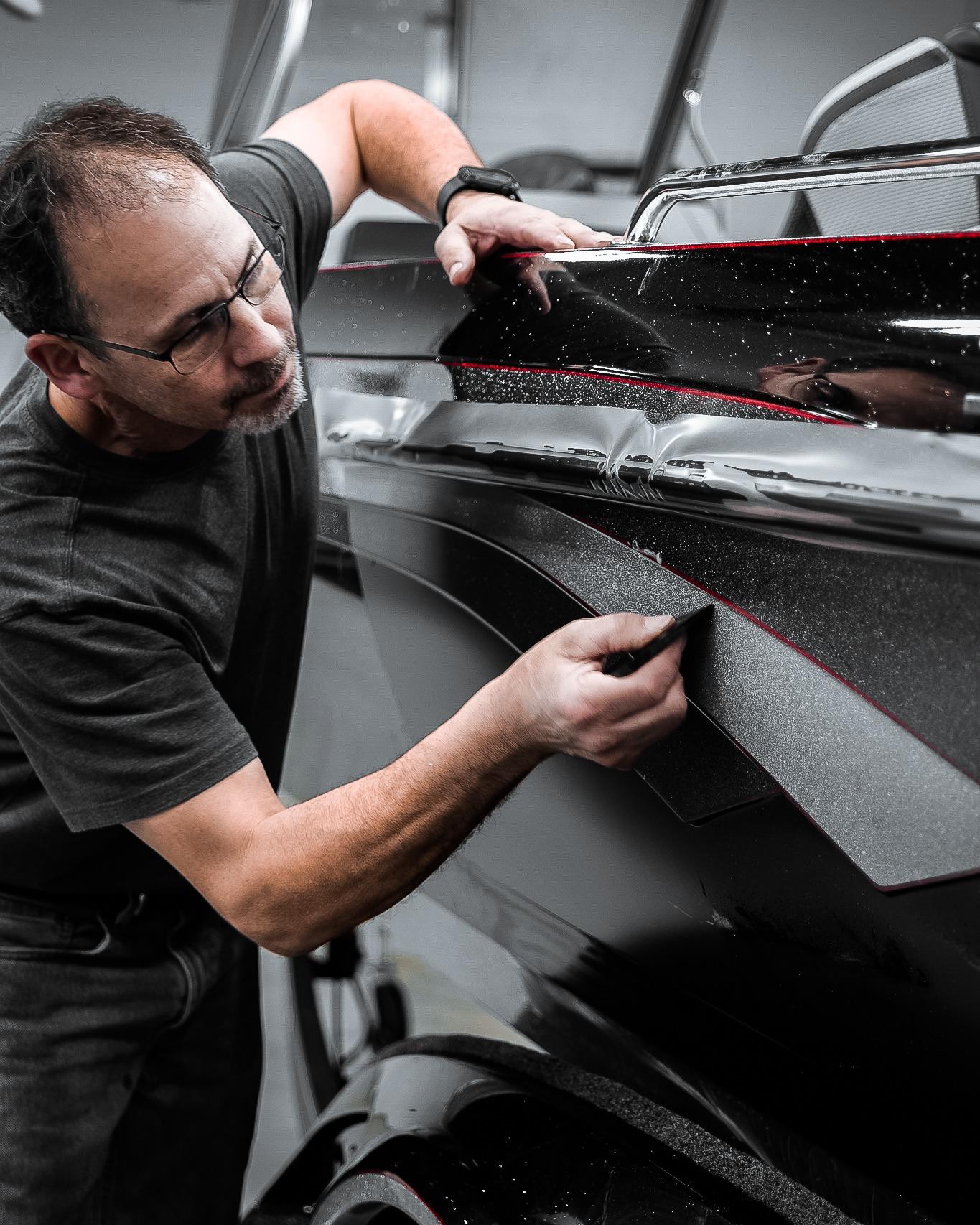
Your car's paint takes a beating every single day. Road debris, UV rays, bird droppings, and minor scratches from parking lots all add up faster than most people realize. Paint protection film is the most effective way to shield your vehicle's exterior from that kind of damage. It's a clear, durable film applied directly to the painted surface, working quietly in the background while your car looks exactly the way it should. If you care about keeping your vehicle in top condition, this is worth understanding properly.
What Is Paint Protection Film?
Paint protection film, often called PPF, is a thermoplastic urethane film bonded to a car's painted surfaces. It's nearly invisible when installed correctly. The film absorbs impact from small rocks and road debris, resists scratches, and blocks UV exposure that causes paint to fade over time.
It isn't a new technology. PPF was originally developed for military use to protect helicopter blades from debris. The automotive industry adopted it, refined it, and today it's one of the most trusted solutions available for vehicle exterior care.
Modern films also come with self-healing properties. Minor swirl marks and light scratches disappear with heat, either from the sun or warm water. That single feature sets it apart from every other protective option on the market.
Why Car Owners in the US Are Choosing It
American highways and city streets are genuinely hard on vehicles. Gravel, construction debris, and highway chips hit painted surfaces constantly. A single rock at highway speed can chip paint down to bare metal, and that is exactly where rust starts.
Car paint protection is especially valuable for drivers who log serious miles or live in areas with harsh winters, road salt, and gravel-heavy roads. Prevention is always cheaper than repainting a hood or bumper. A professional paint job on a single panel can easily run into hundreds of dollars, sometimes more, depending on the vehicle.
Resale Value Is a Real Consideration
A car with clean, well-maintained paint commands a better price. Buyers notice swirl marks, chips, and faded panels immediately. They factor it directly into their offer, and there is very little room to negotiate that perception back in your favor.
Investing in car paint protection early in a vehicle's life protects its resale value across years of ownership. The film keeps the paint underneath looking newer for longer, and that difference shows clearly when it is time to sell or trade in.
What PPF Actually Covers
Most installations focus on the areas that take the hardest hits. The front bumper, hood, fenders, side mirrors, and door edge guards are the most commonly protected areas. These are the zones that encounter road debris first and most frequently, so prioritizing them makes practical sense.
Full-front coverage is a popular choice for drivers who want solid protection without committing to a full-vehicle wrap. It is a smart middle ground between minimal spot coverage and a complete installation, and it covers the panels that matter most.
Full-Body Coverage
Some owners go all in. A full-body paint protection film installation covers every painted panel, including the roof, doors, trunk, and rear bumper. It is a bigger upfront investment, but it delivers complete peace of mind, especially for luxury vehicles or cars that hold significant personal or financial value.
For someone who plans to keep a car long-term, full coverage makes strong financial sense. It is the closest thing to a permanent shield for the entire exterior.
How Long Does It Last?
Quality paint protection film from a reputable brand typically lasts between five and ten years, depending on the product tier and how consistently it is maintained. Higher-end films carry longer warranties and better resistance to yellowing, which was a legitimate concern with older generations of the product.
Maintenance is refreshingly simple. Wash the car normally, stay away from abrasive compounds on the film surface, and check the edges periodically to confirm they are sitting flat. That is genuinely all it takes to keep most professional installations in good shape year after year.
Getting the Installation Right
The film is only as good as the installation behind it. Poor prep work, misaligned cuts, and improper adhesion all compromise the final result in ways that are hard to fix after the fact. This is not a realistic DIY project for most people, and cutting corners here means the film simply will not perform the way it should.
A trained installer uses precision plotting software to cut the film to exact panel specifications. They prep the surface thoroughly before application and pay close attention to edges and curves where the film is most likely to lift over time. Car paint protection handled by a qualified professional looks cleaner, lasts significantly longer, and comes with warranty coverage that no self-installed job will ever match.
Look for an installer with documented experience, real work in their portfolio, and clear warranty terms before you commit to anyone.
Final Thoughts
Good paint is worth protecting, and protecting it early costs far less than fixing it later. Paint protection film is not a luxury add-on reserved for exotic cars. It is a practical, long-term decision that preserves your vehicle's appearance, supports its resale value, and saves you real money over time. Put it on early, get it done right, and the results will hold up for years.

 English
 French
 Spanish
 Portuguese
 Deutsch
 Turkish
 Dutch
Dutch
 Italiano
 Russian
 Romaian
 Portuguese (Brazil)