
In today’s digital world, websites have become an essential part of businesses, education, entertainment, and communication. Almost every company, organization, or individual uses websites to share information, promote services, and connect with people online. A well-designed website not only looks attractive but also provides a smooth and user-friendly experience. This is where Web Designing plays an important role.
Web designing is the process of creating and designing websites that are visually appealing, responsive, and easy to use. It focuses on the layout, colors, fonts, images, structure, and overall user experience of a website. A good website should not only attract visitors but also help them navigate easily and find information quickly.
As internet usage continues to grow, businesses are investing heavily in professional web design to build their online presence. Because of this, web designing has become one of the most in-demand and creative career fields in the technology industry.
What is Web Designing?
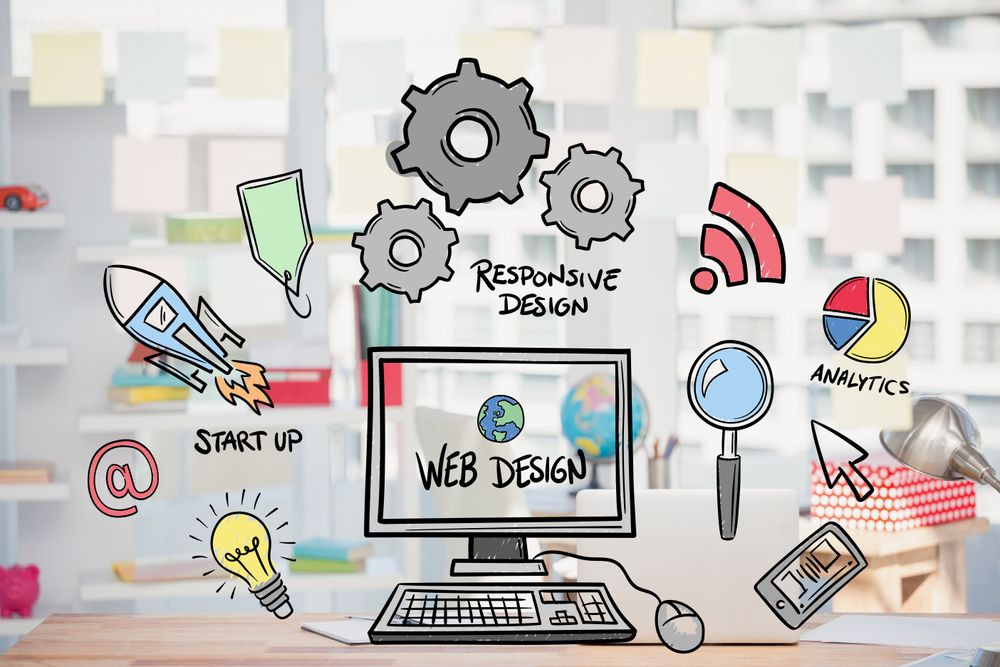
Web designing is the process of planning and creating websites for the internet. It involves designing the appearance, structure, and functionality of web pages to provide users with a better browsing experience.
Web designers focus on:
-
Website layout
-
Color combinations
-
Typography
-
Navigation menus
-
Images and graphics
-
User experience (UX)
-
Responsive design
The main goal of web designing is to create websites that are attractive, fast, mobile-friendly, and easy to navigate.
Importance of Web Designing
A website is often the first impression people have of a business or brand. A professionally designed website helps build trust, improve engagement, and attract more visitors.
Why web designing is important:
-
Creates a strong online presence
-
Improves user experience
-
Increases customer engagement
-
Builds brand identity
-
Helps businesses grow online
-
Improves website performance
-
Supports digital marketing efforts
A poorly designed website can confuse users and increase bounce rates, while a clean and modern design encourages visitors to stay longer.
Types of Web Designing
Web designing includes different areas depending on the purpose and functionality of the website.
Static Web Design
Static websites display fixed content and are simple to create. They are mainly used for small websites with limited information.
Dynamic Web Design
Dynamic websites display changing content and interact with databases. Most modern websites use dynamic design.
Responsive Web Design
Responsive design ensures that websites work properly on desktops, tablets, and mobile devices.
E-commerce Web Design
This type of design focuses on online stores and shopping websites with secure payment systems and product displays.
UI/UX Design
UI (User Interface) and UX (User Experience) design focus on improving website usability and user satisfaction.
Elements of Web Designing
Several important elements help create an effective website design.
Layout
The layout determines how content is arranged on a webpage. A clean layout improves readability and navigation.
Colors
Colors create visual impact and influence user emotions. Proper color combinations improve website appearance and branding.
Typography
Typography refers to font styles and text arrangement. Good typography improves readability and makes content easier to understand.
Images and Graphics
Images, icons, and graphics make websites more engaging and visually attractive.
Navigation
Simple navigation helps users move easily between different sections of a website.
Responsiveness
Responsive websites automatically adjust to different screen sizes and devices.
Tools Used in Web Designing
Web designers use various tools and software to create professional websites.
Popular web designing tools:
-
Adobe XD
-
Figma
-
Canva
-
Sketch
-
Photoshop
-
Webflow
Designers also use coding technologies such as:
-
HTML
-
CSS
-
JavaScript
These tools help designers create modern, responsive, and interactive websites.
Skills Required for Web Designing
Web designing requires both creative and technical skills. Designers must understand how to combine visuals with functionality to create user-friendly websites.
Important skills for web designers:
-
Creativity and visual thinking
-
Knowledge of HTML and CSS
-
Understanding of UI/UX principles
-
Responsive design skills
-
Typography and color theory
-
Problem-solving abilities
-
Communication skills
Keeping up with modern design trends and technologies is also important for web designers.
Applications of Web Designing
Web designing is used in almost every industry because websites are essential for online communication and business growth.
Areas where web designing is used:
-
Business websites
-
E-commerce stores
-
Educational platforms
-
Portfolio websites
-
News portals
-
Blogging websites
-
Entertainment platforms
-
Healthcare websites
Businesses use websites to promote products, provide services, and interact with customers worldwide.
Advantages of Web Designing
Web designing provides several benefits for businesses and users.
Major advantages:
-
Better user experience
-
Increased website traffic
-
Improved online visibility
-
Strong brand image
-
Mobile-friendly access
-
Faster communication
-
Higher customer engagement
A good website design also improves SEO performance and helps businesses rank better on search engines.
Challenges in Web Designing
Although web designing is creative and rewarding, it also comes with challenges.
Common challenges:
-
Keeping up with design trends
-
Creating responsive layouts
-
Improving website speed
-
Maintaining user-friendly navigation
-
Cross-browser compatibility
-
Balancing creativity with functionality
Web designers must continuously update their skills to meet changing user expectations and technological advancements.
Career Opportunities in Web Designing
Web designing offers excellent career opportunities because businesses constantly need professional websites.
Popular career roles:
-
Web Designer
-
UI/UX Designer
-
Front-End Developer
-
Web Developer
-
Graphic Designer
-
Product Designer
Many web designers also work as freelancers and create websites for clients worldwide.
Because of increasing digitalization, web designing remains one of the most popular and growing career fields.
Future Scope of Web Designing
The future of web designing is very promising as businesses continue moving online. Modern technologies such as artificial intelligence, virtual reality, and interactive design are transforming the web industry.
Future trends in web designing:
-
AI-powered websites
-
Voice user interfaces
-
Dark mode designs
-
Advanced animations
-
Mobile-first design
-
Interactive user experiences
As user expectations continue to grow, web designers will play a major role in creating smarter and more engaging websites.
Conclusion
Web designing has become an essential part of the digital world. A well-designed website helps businesses build their online presence, improve user experience, and attract more customers.
From layouts and colors to responsiveness and navigation, every element of web design contributes to creating a professional and user-friendly website. As internet usage and digital businesses continue to grow, the demand for skilled web designers will also increase.
Web designing is not only a creative profession but also a highly rewarding career with excellent future opportunities. For individuals interested in creativity, technology, and digital communication, web designing offers a perfect combination of innovation and career growth.
FAQs
1. What is web designing?
Web designing is the process of creating and designing websites that are visually attractive and user-friendly.
2. What skills are required for web designing?
Important skills include creativity, HTML, CSS, responsive design, UI/UX knowledge, and problem-solving abilities.
3. Which tools are used in web designing?
Popular tools include Figma, Adobe XD, Photoshop, Canva, and Webflow.
4. Is web designing a good career?
Yes, web designing is a high-demand and creative career with excellent future opportunities.

 English
 French
 Spanish
 Portuguese
 Deutsch
 Turkish
 Dutch
Dutch
 Italiano
 Russian
 Romaian
 Portuguese (Brazil)