
Pain has a way of quietly taking over everyday life. It starts as a small discomfort—maybe a slight heel ache in the morning or a mild stiffness in the shoulder after work. Over time, it becomes something more persistent, affecting how you walk, work, sleep, and even enjoy simple moments like climbing stairs or going for a walk.
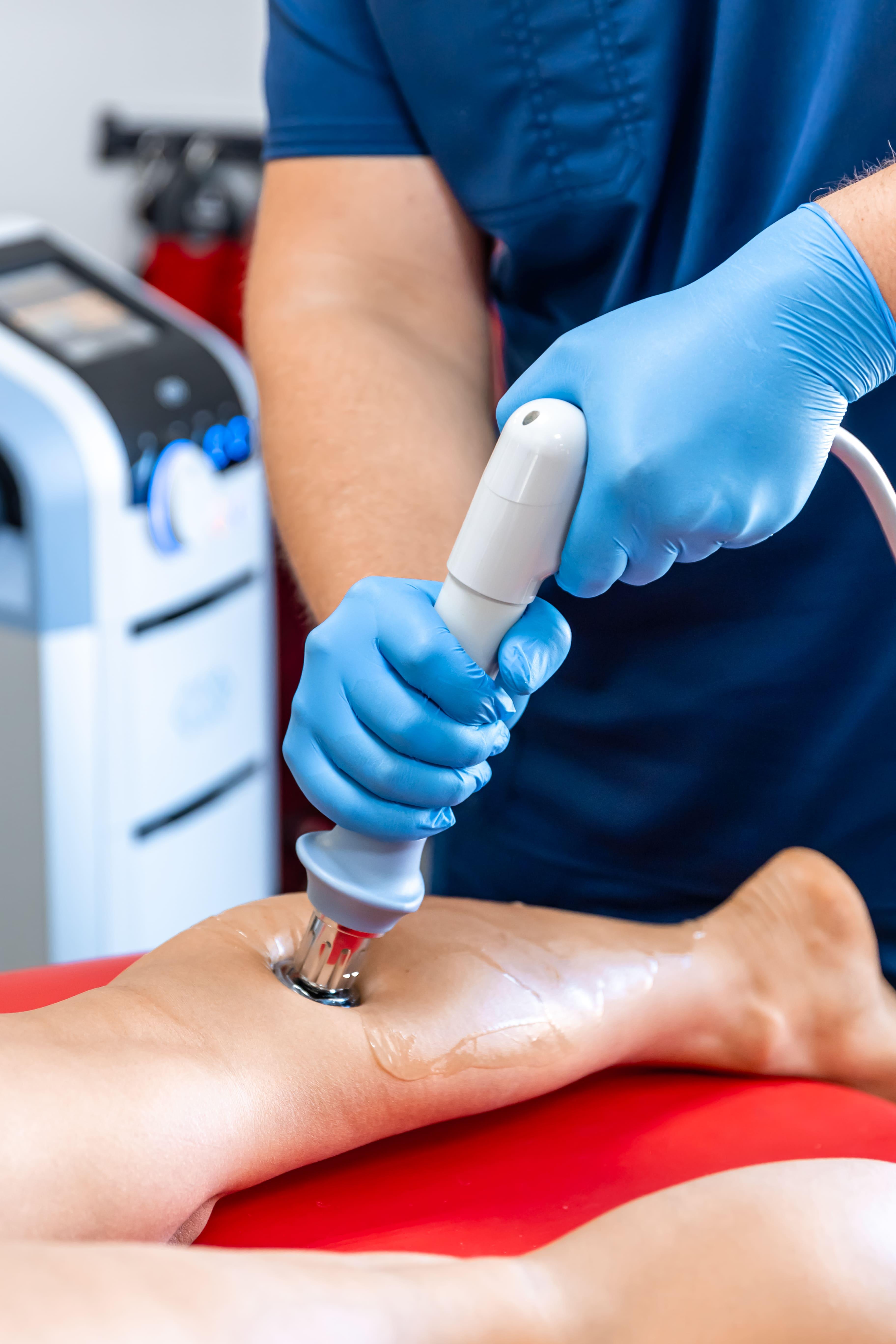
For many people in Mulund and across Mumbai, chronic pain is no longer just a medical condition—it’s a lifestyle limitation. This is where modern rehabilitation science is stepping in with advanced solutions like Extracorporeal Shockwave Therapy in Mulund , a non-invasive treatment that is changing the way doctors and physiotherapists manage long-standing musculoskeletal problems.
Understanding ESWT in Simple Human Terms
Extracorporeal Shockwave Therapy might sound technical, but the concept is actually quite straightforward.
It is a treatment where high-energy sound waves are directed into the body through the skin to stimulate natural healing in injured tissues like tendons, ligaments, and muscles.
Think of it like “restarting” the healing process in an area that has stopped responding to normal treatment. In chronic injuries, the body sometimes becomes “lazy” in healing due to poor blood supply or long-term inflammation. ESWT gently wakes up that healing response again.
Instead of surgery or long-term medication, ESWT helps the body repair itself naturally.
Why ESWT is Becoming Popular in Mulund
Mulund is a fast-growing residential and commercial suburb where lifestyle-related health issues are becoming increasingly common. Long office hours, commuting stress, limited physical activity, and fitness-related injuries have all contributed to a rise in chronic pain cases.
People here are actively looking for treatments that:
- Do not require surgery
- Do not involve long recovery time
- Offer long-term relief instead of temporary fixes
ESWT fits perfectly into this need.
At physiotherapy and orthopedic centers in Mulund, including clinics accessible via https://maps.app.goo.gl/QqnnWzRWW1qrsY1r6, ESWT is being used as part of modern rehabilitation programs for faster recovery and better outcomes.
Conditions That Bring Patients to ESWT
One of the biggest advantages of shockwave therapy is its versatility. It is not limited to one type of injury—it is used across a wide range of chronic musculoskeletal conditions.
1. Heel Pain (Plantar Fasciitis)
Many patients describe waking up with sharp pain in the heel, almost like stepping on a stone. ESWT helps reduce inflammation and improves tissue healing in the foot.
2. Shoulder Pain (Calcific Tendinitis)
Some patients struggle to lift their arms due to calcium deposits in the shoulder. Shockwave therapy helps break down these deposits gradually.
3. Tennis Elbow / Golfer’s Elbow
This is common in office workers, gym-goers, and people who repeatedly use their hands for long hours.
4. Achilles Tendon Pain
Runners and active individuals often experience stiffness and pain in the back of the ankle.
5. Knee Tendon Pain
Jumping, running, or even climbing stairs becomes painful when knee tendons are inflamed.
6. Sports Injuries
Ligament strains and muscle overuse injuries respond well to ESWT when combined with physiotherapy.
How the Treatment Actually Feels
One of the most common questions patients ask is: “Does it hurt?”
The honest answer is—it depends on the severity of the condition, but most people describe it as slightly uncomfortable rather than painful.
A typical session feels like:
- A tapping or pulsing sensation on the affected area
- Mild pressure as the device moves over the skin
- Short bursts of intensity depending on the treatment depth
A session usually lasts 10 to 30 minutes, and patients can go home immediately afterward. There is no anesthesia, no injections, and no hospital stay required.
The Science Behind Healing: What ESWT Does Inside the Body
What makes ESWT powerful is not just what happens during the session—but what it triggers afterward.
When shockwaves enter the tissue, they create micro-level stimulation that leads to:
1. Increased Blood Flow
Poor circulation is one of the reasons chronic injuries fail to heal. ESWT improves local blood circulation significantly.
2. Activation of Repair Cells
Fibroblasts and stem cells get activated, which are responsible for rebuilding damaged tissue.
3. Collagen Production
Collagen is the structural protein that helps tendons and ligaments regain strength.
4. Pain Reduction
Over time, nerve sensitivity decreases, which reduces the feeling of pain.
5. Break Down of Calcification
In conditions like shoulder calcific tendinitis, calcium deposits are gradually broken down.
In simple terms, ESWT does not just mask pain—it helps the body rebuild the damaged area.
A Patient’s Journey: What Recovery Often Looks Like
To understand ESWT better, let’s imagine a typical patient journey in Mulund.
A 42-year-old office worker starts experiencing heel pain. At first, it’s manageable. Over months, it worsens until even walking to the kitchen becomes painful.
They try:
- Painkillers
- Gel applications
- Rest
- Basic physiotherapy
But nothing gives long-term relief.
Finally, they visit a physiotherapy clinic in Mulund offering ESWT.
Week 1–2:
Mild improvement. Pain still present but slightly reduced in the morning.
Week 3–4:
Noticeable reduction in stiffness. Walking becomes easier.
Week 5–6:
Pain reduces significantly. Normal activities resume.
This is not an instant cure—it is a gradual healing process. But that’s what makes it sustainable.
Benefits of ESWT That Patients Appreciate Most
People often choose ESWT not just for its medical effectiveness, but for how it fits into real life.
No Downtime
You can return to work immediately after a session.
No Surgery Fear
Many patients avoid surgery anxiety by choosing ESWT.
Drug-Free Healing
Reduces dependency on painkillers.
Long-Term Relief
Focuses on healing rather than temporary suppression.
Suitable for Active Individuals
Perfect for those who want to continue their routine.
Possible Side Effects (Honest Perspective)
Like any medical procedure, ESWT may have minor temporary effects such as:
- Slight redness
- Mild soreness
- Temporary swelling
- Sensitivity in treated area
These usually fade within 24–48 hours and are part of the body’s natural healing response.
Who Should Consider ESWT?
ESWT is ideal for:
- People with chronic pain lasting more than 3–6 months
- Patients not responding to physiotherapy or medication
- Athletes recovering from overuse injuries
- Individuals seeking non-surgical solutions
However, it may not be recommended for:
- Pregnant women
- People with certain blood clotting disorders
- Areas with active infection
A proper medical consultation is always necessary before starting treatment.
ESWT in Mulund: Integrating Modern Rehabilitation
What makes ESWT in Mulund especially effective is not just the technology—but how it is combined with holistic physiotherapy care.
At well-equipped rehabilitation centers, treatment often includes:
- Detailed physical assessment
- Shockwave therapy sessions
- Manual therapy techniques
- Strengthening exercises
- Posture correction guidance
- Lifestyle advice
This combined approach ensures that pain does not return after treatment.
Cost and Accessibility in India (General Insight)
In cities like Mumbai, ESWT is considered a premium physiotherapy treatment, but it is still far more affordable than surgery.
Costs may vary depending on:
- Number of sessions required
- Severity of condition
- Clinic infrastructure
Most patients require 3–6 sessions, making it a structured short-term treatment plan rather than a long-term expense.
Frequently Asked Questions
1. Is ESWT painful?
It may feel mildly uncomfortable but is generally tolerable.
2. How soon will I see results?
Some patients notice improvement after 1–2 sessions, while others may take a few weeks.
3. Is it safe?
Yes, ESWT is widely used in physiotherapy and orthopedic medicine with a strong safety record.
4. Can it replace surgery?
In many chronic tendon conditions, it can help avoid surgery, but not in all cases.
5. How long does each session take?
Usually between 10–30 minutes.
Final Thoughts: A Shift Toward Natural Healing
Extracorporeal Shockwave Therapy represents a shift in how we think about pain treatment. Instead of suppressing symptoms, it encourages the body to heal itself.
For residents of Mulund dealing with long-term pain, stiffness, or injury-related limitations, ESWT offers something very important—hope without surgery and recovery without long downtime.
It is not magic, but it is science working with the body rather than against it.
As awareness grows and more people explore advanced rehabilitation options, ESWT is becoming a trusted part of modern pain management in Mulund—helping individuals return to movement, independence, and a better quality of life.

 English
 Arabic
 Spanish
 Portuguese
 Deutsch
 Turkish
 Dutch
Dutch
 Italiano
 Russian
 Romaian
 Portuguese (Brazil)