
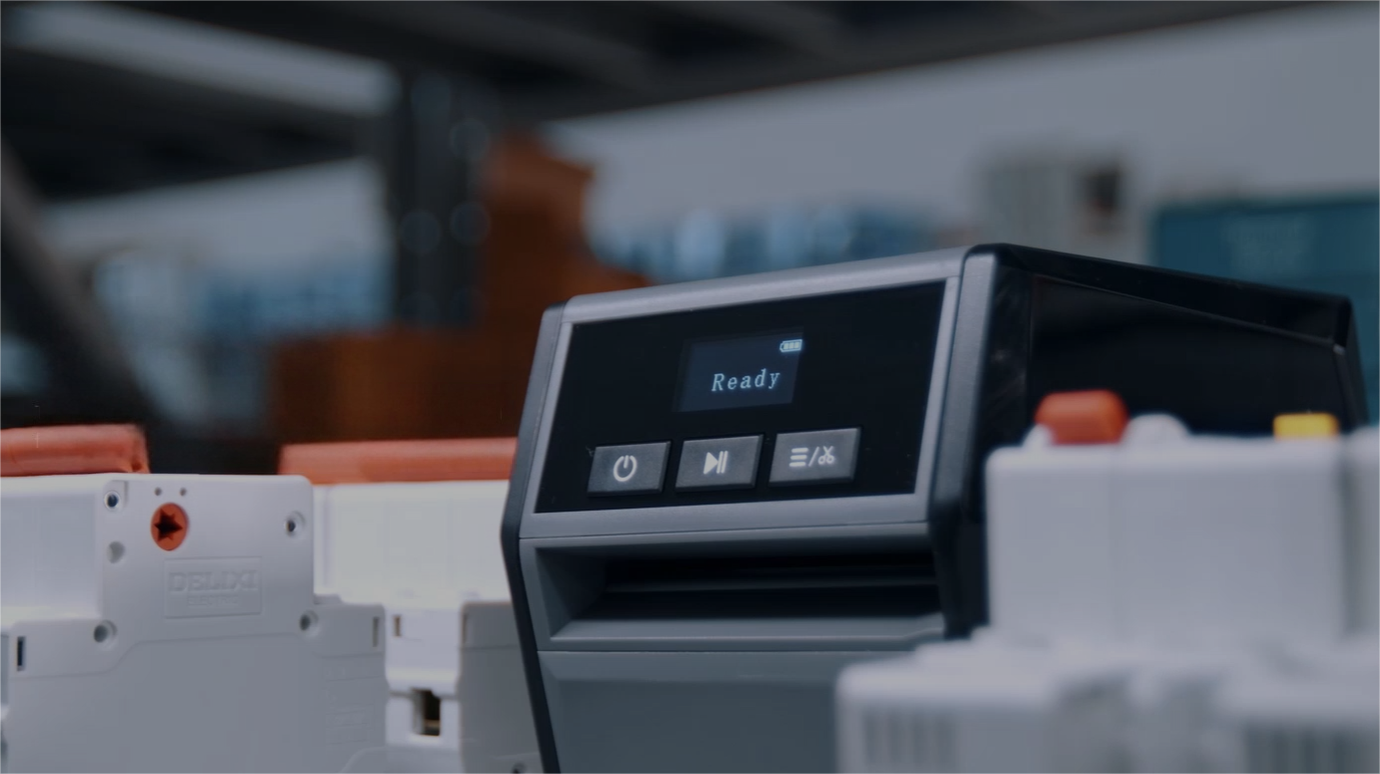
Choosing between thermal vs thermal transfer printing is a critical decision for businesses that rely on accurate, durable, and efficient labeling. From warehousing and logistics to retail and manufacturing, the wrong choice can lead to fading labels, operational delays, and increased costs.
This guide breaks down the key challenges and provides a clear, solution-oriented approach to selecting the right label printing technology.
1. User Pain Points: Why Choosing the Wrong Printing Method Causes Problems
Many businesses struggle with label performance because they select a printing method based on price rather than application needs.
Common issues include:
- Labels fading too quickly, especially in heat, sunlight, or abrasion-heavy environments
- Barcodes becoming unreadable, causing scanning failures and workflow disruptions
- Frequent label reprinting, increasing operational costs
- Inconsistent print quality, affecting brand image and accuracy
- Uncertainty in choosing between technologies, leading to inefficient investments
These problems directly impact productivity, traceability, and customer satisfaction.
2. Why Traditional Label Printing Decisions Fail
In many cases, companies rely on outdated or oversimplified decision-making when choosing between thermal and thermal transfer printing.
Here’s why that approach fails:
- One-size-fits-all thinking: Assuming one technology works for all applications
- Ignoring environmental factors: Heat, moisture, chemicals, and friction are often overlooked
- Short-term cost focus: Choosing cheaper solutions without considering long-term durability
- Lack of technical understanding: Not fully understanding the differences between printing technologies
- No scalability planning: Failing to consider future operational growth
As labeling requirements become more complex, these traditional decision methods are no longer effective.
3. What the Right Label Printing Solution Should Deliver
An effective label printing solution must align with your operational environment, durability requirements, and workflow efficiency.
Application-Based Technology Selection
The solution should clearly match direct thermal or thermal transfer printing to your specific use case.
Durability and Print Longevity
Labels must remain readable for the required lifespan—whether short-term shipping labels or long-term asset tags.
Consistent Barcode Quality
High-resolution printing to ensure accurate and reliable barcode scanning.
Cost Efficiency Over Time
A balance between upfront investment and long-term operational costs, including consumables and reprinting.
Flexibility and Scalability
Ability to adapt to different label types, materials, and business growth.
4. Thermal vs Thermal Transfer: Key Differences Explained
Direct Thermal Printing
- Uses heat-sensitive paper without ink or ribbon
- Ideal for short-term applications such as shipping labels and receipts
- Lower initial cost and fewer consumables
- Labels are prone to fading over time, especially under heat or sunlight
Thermal Transfer Printing
- Uses a ribbon to transfer ink onto labels
- Suitable for long-term, durable labeling
- مقاistant to heat, moisture, chemicals, and abrasion
- Higher initial cost but better long-term reliability
The right choice depends entirely on how and where your labels will be used.
5. How We Help You Choose and Implement the Right Solution
We provide a tailored label printing solution that ensures you select the most suitable technology for your business.
Needs Assessment
We analyze your application scenarios—environment, label lifespan, and usage frequency.
Technology Matching
We recommend the optimal choice between direct thermal and thermal transfer printing based on your requirements.
High-Performance Printing Equipment
Our solutions include industrial-grade printers designed for reliability and consistent output.
Material and Ribbon Optimization
We help you select the right label materials and ribbons to maximize durability and cost efficiency.
System Integration
Our printing solutions integrate seamlessly with your existing systems for automated and accurate label generation.
6. Value and Business Impact
By choosing the right solution for thermal vs thermal transfer printing, your business can achieve:
- Improved label durability and readability
- Reduced reprinting and material waste
- Higher operational efficiency and speed
- Lower total cost of ownership over time
- Better barcode scanning accuracy
- Enhanced workflow reliability and scalability
Ultimately, the right decision transforms labeling from a cost center into a performance driver.

 English
 Arabic
 French
 Spanish
 Portuguese
 Deutsch
 Turkish
 Italiano
 Russian
 Romaian
 Portuguese (Brazil)