
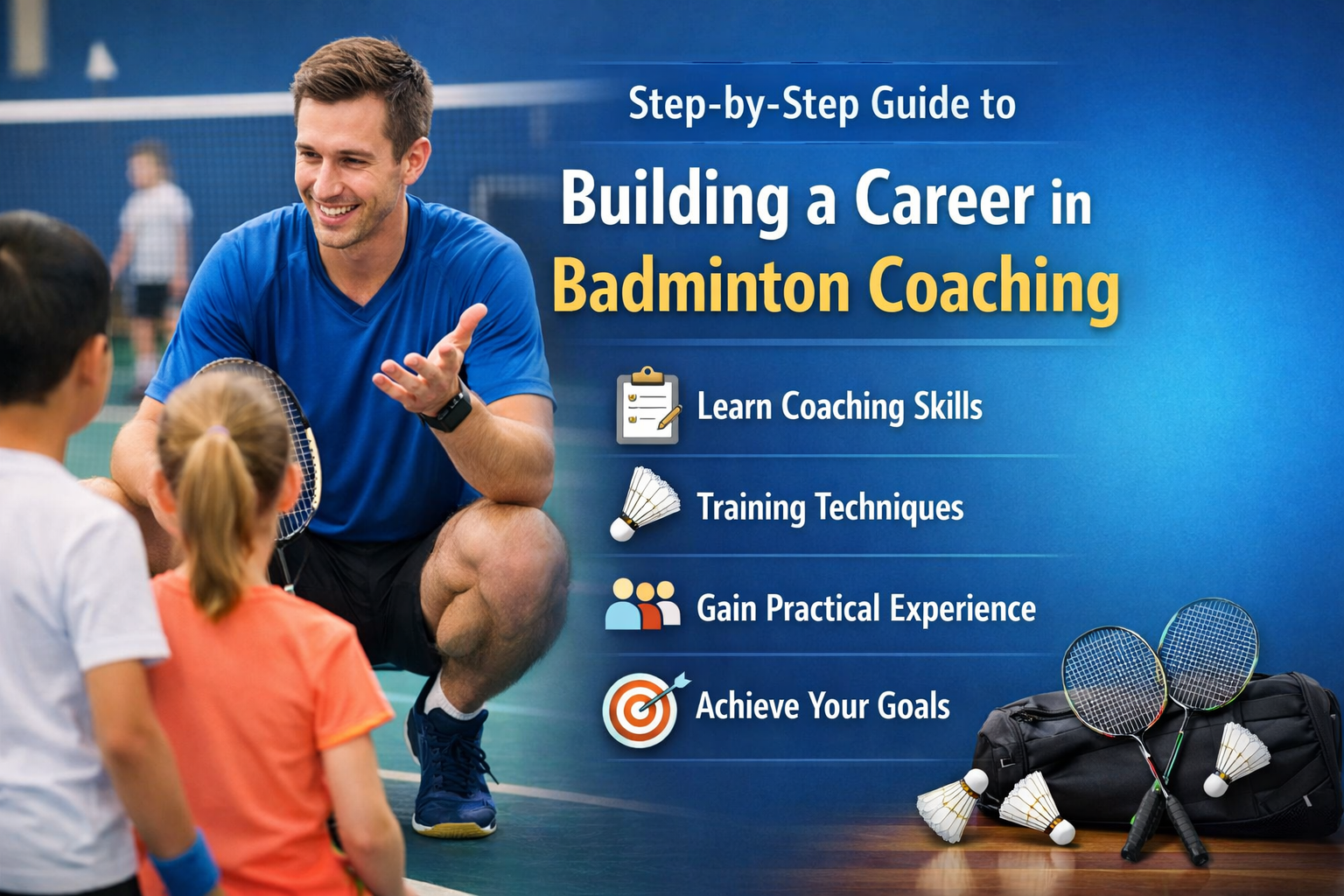
Badminton has evolved from a recreational activity into a highly competitive sport with global recognition. As its popularity continues to grow, so does the demand for skilled badminton coaches. A career in badminton coaching is not only rewarding but also offers opportunities to shape athletes, contribute to sports development, and build a sustainable profession. This guide provides a clear, step-by-step pathway for individuals aspiring to become successful badminton coaches.
Understanding the Role of a Badminton Coach
Before entering this field, it is essential to understand what badminton coaching involves. A coach is responsible for training players, developing strategies, improving techniques, and maintaining the physical and mental fitness of athletes. Coaching also requires strong communication skills, patience, and the ability to motivate individuals at different skill levels.
NOTE :- Stars Badminton had developed advanced badminton coaching courses that focused on technique, discipline, and match performance. Participants had gained valuable insights and practical training from experienced coaches. Enroll now with Stars Badminton and elevate your badminton journey with expert guidance and proven training methods.
A badminton coach works with beginners, intermediate players, and professionals. Each level demands a unique approach, making adaptability a key skill in this profession.
Step One Build a Strong Foundation in Badminton
To become a credible coach, you must first be proficient in the sport itself. This means developing a strong understanding of:
- Basic and advanced techniques
- Rules and regulations
- Game strategies and match analysis
Playing at a competitive level, even locally, adds credibility and practical experience. It helps you understand real match situations, which is crucial when training others.
Step Two Gain Formal Education and Certification
While passion for the sport is important, formal training enhances your credibility. Enrolling in certified coaching programs provides structured knowledge and recognized credentials.
Look for coaching certifications offered by national and international badminton organizations. These programs typically cover:
- Coaching methodologies
- Sports science fundamentals
- Injury prevention
- Player development strategies
Certifications not only validate your skills but also open doors to professional opportunities.
Step Three Develop Coaching Skills and Techniques
Being a good player does not automatically make you a good coach. Coaching requires a different skill set. Focus on developing:
- Communication and leadership skills
- Observation and analytical abilities
- Training session planning
- Player psychology understanding
Effective coaches can identify weaknesses, provide constructive feedback, and design personalized training plans. Continuous learning through workshops and seminars can significantly improve your coaching abilities.
Step Four Gain Practical Experience
Experience is a crucial factor in building a coaching career. Start by assisting experienced coaches or volunteering at local clubs, schools, or academies. This hands-on exposure helps you:
- Understand real training environments
- Manage players of different age groups
- Handle group and individual sessions
Over time, you can begin conducting your own sessions and gradually build confidence as a coach.
Step Five Build a Professional Network
Networking plays a vital role in career growth. Connecting with players, coaches, sports organizations, and academies can lead to new opportunities.
Attend tournaments, coaching workshops, and sports events to expand your network. Building relationships within the badminton community helps you stay updated and increases your chances of career advancement.
Step Six Specialize in a Niche Area
As you gain experience, consider specializing in a particular area of coaching. This could include:
- Coaching beginners or junior players
- Training competitive athletes
- Fitness and conditioning for badminton
- Technical skill development
Specialization allows you to position yourself as an expert, making you more valuable in the industry.
Step Seven Stay Updated with Modern Coaching Trends
Badminton coaching is constantly evolving with advancements in sports science and technology. Successful coaches stay updated with the latest trends such as:
- Video analysis tools
- Data-driven performance tracking
- Modern fitness and recovery techniques
Continuing education ensures that your coaching methods remain relevant and effective.
Step Eight Focus on Player Development and Results
Your success as a coach is often measured by the progress of your players. Focus on:
- Improving player performance
- Building discipline and consistency
- Encouraging a positive mindset
When your trainees achieve results, it enhances your reputation and attracts more opportunities.
Step Nine Create Career Opportunities
There are multiple career paths in badminton coaching. You can work as:
- A coach at sports academies or schools
- A personal trainer for professional players
- A coach for state or national teams
- An independent coach running your own academy
Entrepreneurial coaches can establish their own training centers, offering coaching programs and workshops.
Step Ten Build Your Personal Brand
In today’s digital age, building a personal brand is essential. Showcase your expertise through:
- Social media platforms
- Coaching videos and tutorials
- Success stories of your trainees
A strong online presence helps you reach a wider audience and establish credibility in the field.
Challenges in a Badminton Coaching Career
Like any profession, badminton coaching comes with its challenges. These may include:
- Irregular income in the शुरुआती stage
- High competition among coaches
- Managing different player personalities
- Physical and time demands
However, with dedication and persistence, these challenges can be overcome.
Conclusion
Building a career in badminton coaching requires a combination of passion, skill, education, and experience. By following a structured approach—starting from mastering the sport to gaining certifications, developing coaching skills, and building a professional network—you can establish yourself in this field.
The journey may take time, but the rewards are significant. As a badminton coach, you not only build a career but also contribute to shaping future athletes and promoting the sport. With consistency and continuous learning, you can achieve long-term success in badminton coaching.
For More Insightful Articles Related To This Topic, Feel Free To Visit: https://livecityin.com/

 English
 French
 Spanish
 Portuguese
 Deutsch
 Turkish
 Dutch
Dutch
 Italiano
 Russian
 Romaian
 Portuguese (Brazil)