
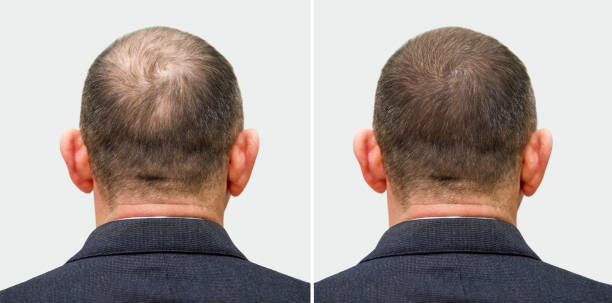
Hair restoration has transformed countless lives, but misinformation often clouds judgment. This article shatters common Hair Transplant myths, empowering you with facts for informed choices.
Hair Transplants Look Unnatural
Many fear Hair Transplant procedures leave an obvious, "pluggy" appearance like old-fashioned methods. Modern techniques such as Follicular Unit Extraction (FUE) harvest individual follicles, mimicking natural growth patterns for seamless blending. Surgeons design hairlines with artistic precision, considering face shape and age-appropriate density.
Why It Persists
Outdated images online perpetuate this idea, ignoring FUE and DHI advancements. Real results show soft, feathered hairlines that fool even close inspection.
Myth 2: Transplants Fail in a Few Years
A widespread belief claims transplanted hair falls out permanently after a short time. Donor hairs from the back and sides are genetically resistant to balding, ensuring lifelong growth post-transplant. Shedding occurs initially as a normal shock loss phase, with new growth starting at 3-4 months.
Studies confirm over 90% survival rates when performed expertly, defying the "temporary fix" narrative. Proper care sustains these robust follicles indefinitely.
Growth Timeline Explained
Months 1-3: Temporary shedding. Months 4-12: Progressive thickening. Year 2+: Full, mature density.
Myth 3: Only Men Benefit from Hair Transplants
Women often dismiss Hair Transplant as a male-only solution due to hormonal hair loss stigma. Female pattern hair loss affects millions, and transplants restore thinning crowns effectively with diffused donor harvesting. Techniques adapt to lower donor density, yielding natural volume without linear scars.
This myth ignores rising female procedures, with customized plans addressing traction alopecia or postpartum thinning too.
Tailored Approaches for Women
FUE excels here, allowing longer hairstyles while filling sparse areas discreetly.
Myth 4: Recovery Takes Months of Downtime
People assume Hair Transplant demands weeks bedridden with visible wounds. FUE leaves tiny dots healing in days, with most returning to work within 48 hours. Mild redness fades fast; no stitches mean minimal disruption.
Post-op care is simple—gentle washing and avoiding sweat—contrasting painful strip methods of yesteryear.
Daily Recovery Tips
-
Day 1: Rest with elevated head.
-
Day 3: Light washing.
-
Week 2: Resume styling.
Myth 5: Anyone Can Perform a Successful Transplant
DIY kits or unqualified practitioners fuel this dangerous assumption. Hair Transplant requires specialized training in graft handling and scalp anatomy to avoid poor growth or scarring. Board-certified experts use microscopes for follicle preservation, boosting viability.
Botched jobs lead to revisions; choosing skill over convenience saves heartache.
Red Flags to Avoid
Unrealistic promises, lack of before-after galleries, or rushed consultations signal trouble.
Myth 6: Transplants Cause More Hair Loss
Shock loss anxiety suggests procedures trigger widespread shedding. While temporary loss around recipient sites occurs, it regrows fully; transplants don't accelerate native balding. Medications like finasteride complement to protect surrounding hairs.
This myth confuses normal healing with permanent damage.
Preventive Strategies
Combine with PRP therapy for enhanced follicle stability.
Myth 7: Results Are Immediate
Impatience breeds this expectation of overnight transformation. Hair cycles demand time: grafts anchor first, then sprout visibly after dormancy. By month 6, 60-80% density emerges, peaking at 12-18 months.
Patience yields superior outcomes versus chasing quick fixes.
Realistic Expectations
Track progress with monthly photos for motivation.
Myth 8: Transplants Work on All Bald Areas
Total baldness myths overlook donor supply limits. Strong candidates have sufficient back-of-head hairs for redistribution. Advanced scaling matches grafts to need, but shiny crowns may need adjuncts like SMP.
Scalp expanders help in select cases.
Assessing Suitability
Density mapping determines feasibility accurately.
Myth 9: Pain Is Unbearable During Procedure
Horror stories exaggerate discomfort. Local anesthesia numbs completely; patients stay relaxed, often watching shows. Post-op soreness is mild, managed with over-the-counter relief.
Sedation options enhance comfort further.
Comfort Measures
Pillows and music create a spa-like vibe.
Myth 10: Maintenance Is Constant and Expensive
Post-transplant upkeep is like regular hair—no special regimens beyond gentle products. Normal styling resumes fully; no ongoing costs beyond styling aids.
This myth deters many unnecessarily.
Long-Term Simplicity
Shampoo twice weekly; style freely after 10 days.
Debunking Advanced Concerns
Beyond basics, myths swirl around innovations. Robotic assistance like ARTAS ensures precision without fatigue, debunking "human error" fears. Stem cell adjuncts accelerate growth, countering "slow forever" doubts.
These evolutions make Hair Transplant safer and swifter.
Tech Integration Benefits
AI mapping personalizes angles flawlessly.
Choosing Wisely for Restoration Success
Armed with facts, prioritize surgeons with high graft survival portfolios. Consultations reveal expertise minus pressure.
Your decision shapes confidence for decades.
Consultation Checklist
-
Review live patient results.
-
Discuss technique matching.
-
Query complication rates.
Ready to debunk doubts personally? Hair Transplant awaits those seeking truth. Enfield Royal Saudi stands ready to guide your journey—schedule a no-obligation visit today and reclaim your crown confidently.
Frequently Asked Questions
1. Is Hair Transplant permanent?
Yes, donor hairs resist balding genetically, growing lifelong post-procedure.
2. How long until I see Hair Transplant results?
Initial growth at 3-4 months; full density by 12-18 months.
3. Can women get Hair Transplant safely?
Absolutely, with adapted FUE for natural, scar-free restoration.
4. Does Hair Transplant hurt?
Minimal discomfort under anesthesia; recovery is quick and mild.
5. Who qualifies for Hair Transplant?
Those with stable donor areas and realistic expectations succeed best.
6. Need special care after Hair Transplant?
Basic hygiene suffices; no intensive maintenance required long-term.

 English
 Arabic
 French
 Spanish
 Portuguese
 Turkish
 Dutch
Dutch
 Italiano
 Russian
 Romaian
 Portuguese (Brazil)