
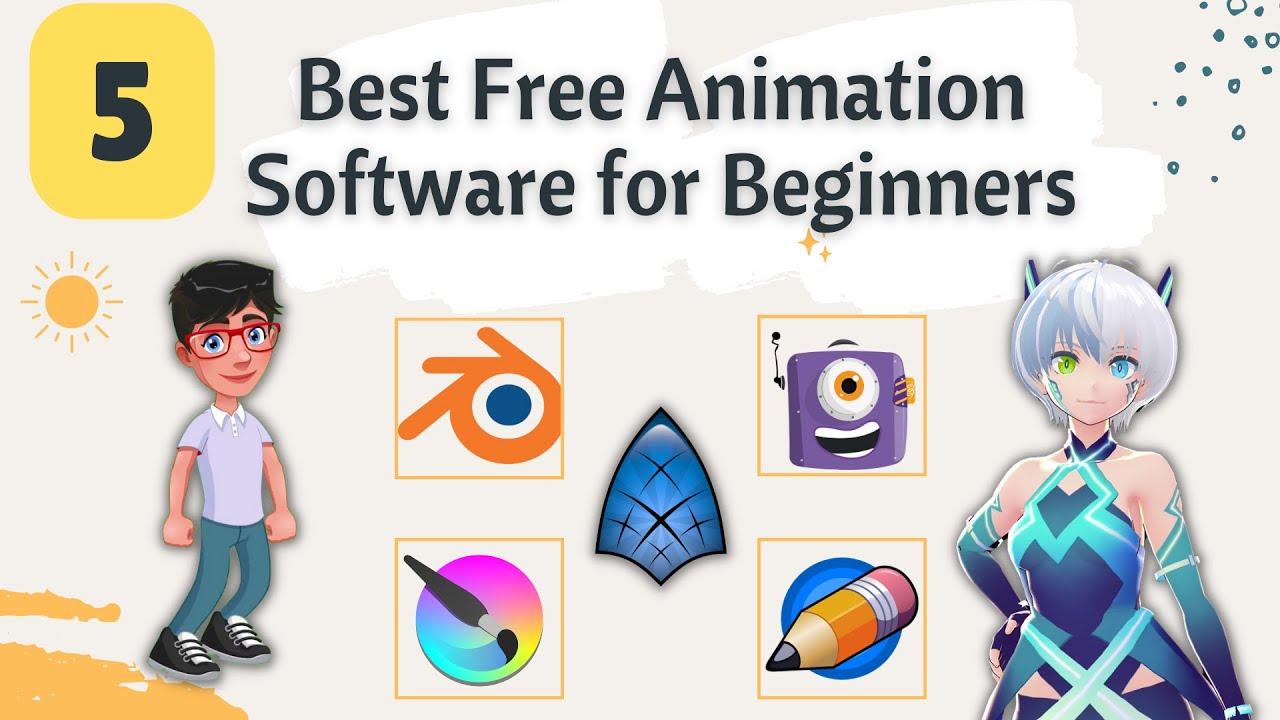
Animation has always carried a special magic. There’s something uniquely satisfying about seeing ideas take flight, characters move with life, and stories unfold visually. For many, diving into animation feels like stepping into a playground for creativity—but without guidance, it can feel overwhelming. Luckily, you don’t need expensive tools to start. There are excellent free animation programs that allow anyone to bring their visions to life. Whether you’re exploring this as a hobby, wanting to make short films, or even experimenting with gifts that add a personal touch, animation maker tools can be surprisingly robust and intuitive.
Exploring these tools isn’t just about the technical side—it’s about the emotional journey of creation. There’s joy in translating an idea from mind to screen, and seeing it resonate with others. Over the years, I’ve witnessed how animation can bridge gaps between generations, become a thoughtful gesture for loved ones, or simply serve as a personal outlet. Knowing the right programs can make all the difference.
Why Free Animation Tools Are Worth Trying
It’s easy to assume that free software is limited, clunky, or beginner-only—but many of today’s free animation programs rival professional-grade software in capability. What makes them particularly appealing is flexibility. They allow experimentation without the pressure of financial commitment.
For example, a young parent wanting to create a quirky animated story for their child can experiment freely. Someone exploring gifting options might design a heartfelt animated card. Even professionals use these tools to storyboard concepts before committing to more expensive platforms. In essence, free animation programs are less about restriction and more about opportunity—opportunity to explore, express, and connect.
Understanding Your Needs Before Choosing
Before diving into any software, it’s important to consider what you need. Animation encompasses many styles—from frame-by-frame traditional animation to motion graphics and 3D modeling. Think about:
-
Purpose: Is it storytelling, educational content, or a personal project?
-
Style: Are you drawn to cartoonish, realistic, or abstract designs?
-
Complexity: Do you want to start with simple tools or push your skills to professional levels?
Being clear about your needs ensures that you don’t get overwhelmed. A simple program might feel restrictive for 3D projects but perfect for 2D storytelling or creating expressive short animations for family or friends.
Top Free Animation Programs That Stand Out
Now, let’s dive into some free programs that consistently impress users for their versatility and ease of use. Each has its unique strengths and limitations, but all are reliable choices.
Blender – The 3D Powerhouse
Blender is the go-to free tool for anyone venturing into 3D animation. It’s incredibly powerful, offering modeling, texturing, rigging, and rendering in one platform. Beginners may initially feel intimidated by its depth, but once familiar, Blender provides complete control over animation.
One of the aspects I appreciate is its strong community support. Forums and tutorials help bridge learning gaps, making complex processes accessible. From creating a short story for a loved one to experimenting with intricate 3D motion graphics, Blender remains unmatched in scope for a free tool.
Pencil2D – Traditional Animation Made Simple
For those enchanted by the charm of hand-drawn animation, Pencil2D is a dream. It focuses on 2D frame-by-frame animation, keeping interfaces minimal and accessible. This simplicity encourages creativity rather than creating roadblocks.
Imagine drawing a whimsical scene for a child or designing a playful character for a friend. The tactile feeling of creating each frame manually fosters connection and satisfaction that automated tools sometimes miss. It’s an excellent way to engage deeply with the artistic process.
Synfig Studio – Powerful 2D Vector Animation
Synfig Studio is another gem for 2D animation, especially if you enjoy working with vector graphics. Its automated tweening system allows smooth transitions between keyframes, saving time without sacrificing quality.
It’s particularly suitable for short films, motion graphics, or even educational content. I’ve seen artists craft entire episodes of storytelling with Synfig, appreciating its balance between control and efficiency. For those seeking animation maker capabilities, Synfig provides a rich canvas while remaining completely free.
OpenToonz – Professional-Grade Animation for Everyone
OpenToonz carries a unique history, stemming from professional studio use. Its versatility makes it appealing for both amateurs and professionals. With effects and scanning capabilities, it’s ideal for those who want to digitize hand-drawn artwork while keeping creative freedom intact.
Families or hobbyists can use OpenToonz to create charming personalized projects—think animated birthday messages or holiday stories that blend traditional drawing with digital finesse.
Krita – Animation With Artistic Flair
Krita is often celebrated as a painting and illustration tool, but its animation features are surprisingly strong. Frame-by-frame animation, onion-skinning, and simple timeline management make it ideal for digital artists venturing into motion.
I’ve noticed that creative individuals often appreciate Krita because it allows them to integrate animation with their existing art practice seamlessly. It’s perfect for expressive projects where emotion and aesthetics are central, such as storytelling for children or personal gifting.
TupiTube – For Beginners and Young Creators
TupiTube is geared toward beginners, including children or anyone exploring animation for the first time. Its interface is intuitive, allowing users to focus on creative flow rather than technical hurdles.
Using TupiTube can be an inspiring introduction to animation for families. Kids can learn to bring their drawings to life, while adults can revisit their own childhood fascination with animated storytelling. The satisfaction of seeing even simple animations move fluidly is a strong motivator to continue learning.
Animation Desk – Mobile Creativity on the Go
Sometimes inspiration strikes when you’re not at your desk, and that’s where Animation Desk shines. Available for tablets and smartphones, it offers drawing-based animation capabilities that let creativity flow anywhere.
Parents or gift creators can sketch short animations on-the-go, turning spontaneous ideas into memorable animated pieces. The accessibility of mobile tools ensures that animation isn’t confined to dedicated workspaces.
Tips for Getting the Most Out of Free Animation Programs
Having access to these tools is only part of the journey. Maximizing their potential requires strategy and practice.
-
Start Small: Focus on short, manageable projects. Completing them builds confidence and skill.
-
Leverage Tutorials: Even free programs have active communities with tutorials and forums—use them liberally.
-
Experiment Freely: Don’t hesitate to try different styles, even if you feel unsure. Animation is about discovery.
-
Combine Tools: Sometimes pairing a 2D program like Pencil2D with a 3D tool like Blender can yield richer results.
-
Time Investment: Regular practice matters more than long sessions. Consistency allows skill to grow naturally.
Animation is as much a mental journey as a technical one. Embrace mistakes, enjoy the process, and celebrate the small wins—they’re often the most memorable.
Making Animation Personal and Meaningful
One of the understated joys of animation is its power to create emotional resonance. A thoughtfully animated story can convey care, humor, or nostalgia in ways other gifts might struggle to match.
Consider gifting an animated message to a loved one. A short, animated narrative of shared memories can feel profoundly intimate. Children often cherish animations that feature themselves as characters—it makes the experience interactive and personal. Even for adults, a creatively crafted animation can become a keepsake, reminding them of thoughtfulness and attention to detail.
Understanding timing and emotional tone is key. A quick, cheerful animation works for celebrations, while a slow, narrative-driven piece may better suit reflective occasions. Free animation programs provide the canvas to explore these subtleties without financial pressure, letting personal expression take precedence.
Common Challenges and How to Overcome Them
Despite the freedom and potential, free animation programs come with challenges. Learning curves can be steep, features may feel limited, and sometimes exporting animations can be tricky.
Here’s how to tackle these issues:
-
Learning Curve: Break learning into steps. Focus on mastering one feature at a time.
-
Limited Resources: Use community forums and tutorials to supplement missing features.
-
Exporting: Test export settings early to avoid frustration later. Many free programs offer multiple output formats; choose what fits your project best.
Remember, challenges in animation often mirror life’s creative struggles—patience, persistence, and a willingness to experiment yield the best results.
Choosing the Right Program for You
Selecting the right free animation program ultimately depends on your personal goals. For a 3D enthusiast, Blender offers unmatched power. For traditionalists, Pencil2D or OpenToonz may feel more intuitive. If mobility is important, Animation Desk delivers convenience.
Your choice also reflects the type of emotional connection you want to foster. Are you telling a story for a child, designing a heartfelt gift, or exploring artistic expression for yourself? Each program offers different pathways to achieving that connection. Trusting your instincts and experimenting is part of the fun.
Integrating Animation Into Daily Life
Animation doesn’t have to be reserved for special projects. It can become part of everyday creative habits. Sketching short clips during breaks, designing quick animated messages for family, or experimenting with motion graphics for personal blogs can all enrich life with playful creativity.
It’s also a gentle way to bond with others. Teaching children animation basics, collaborating with friends on short projects, or sharing small creations online can foster connection and shared joy. The act of creating together often becomes as meaningful as the final animation itself.
FAQs About Free Animation Programs
What is the best free animation program for beginners?
For beginners, Pencil2D, TupiTube, or Animation Desk are ideal. They prioritize simplicity while providing core features that allow creativity to flourish.
Can free programs produce professional-quality animations?
Absolutely. Programs like Blender, Synfig Studio, and OpenToonz offer features used by professionals. While there may be a steeper learning curve, the quality potential is significant.
Where can I find tutorials for these programs?
Most programs have active communities, forums, and tutorial repositories. YouTube and user forums are excellent resources for learning both basic and advanced techniques.
Are these tools suitable for gifting projects?
Yes. Using free animation programs for personalized gifts—such as animated cards or short narratives—is both creative and cost-effective. Many programs allow export in formats suitable for sharing digitally or on social media.
Can I access professional animation features for free?
Many free programs offer features comparable to paid software. For example, Blender provides full 3D modeling, rendering, and animation capabilities without cost. Experimenting with these tools lets you explore professional techniques without investment.
Integrating these programs into your creative routine makes animation not just a skill, but a source of joy, connection, and personal expression. Even brief projects can cultivate pride, foster learning, and spark inspiration for future creations.
Final Thoughts
Animation is a gateway to imagination, communication, and emotional expression. Free animation programs open this gateway without financial barriers, making creativity accessible to everyone. From crafting personal stories to exploring artistic growth, these tools invite engagement, experimentation, and delight.
By understanding your needs, embracing experimentation, and using resources wisely, you can create animations that resonate deeply. These programs are more than software—they’re tools for connection, reflection, and joy. Whether you’re designing a heartfelt gift, teaching a child, or exploring personal expression, the world of animation is rich, inviting, and surprisingly within reach.
For anyone curious to start today, experimenting with an animation maker is an excellent step. Not only does it provide the technical foundation, but it also opens doors to emotional storytelling and personal expression in ways that words alone cannot capture.

 English
 Arabic
 French
 Spanish
 Portuguese
 Deutsch
 Turkish
 Dutch
Dutch
 Russian
 Romaian
 Portuguese (Brazil)