
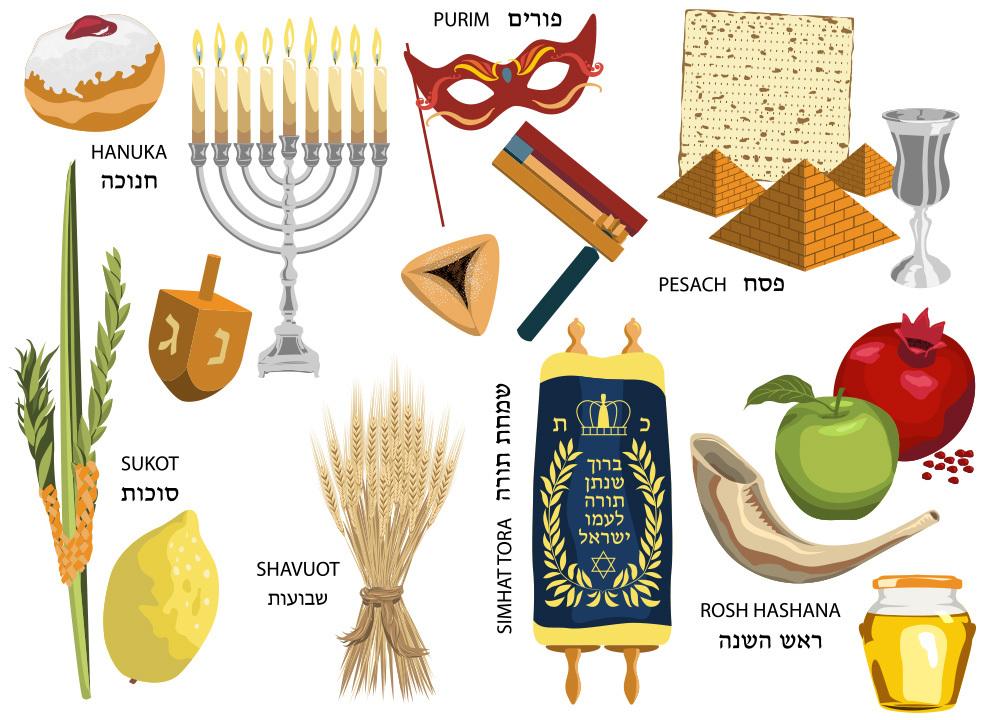
Jewish Holy Days are the foundation of Jewish religious life, shaping spiritual practice, cultural identity, and communal rhythms throughout the year. Rooted in the Torah and enriched by centuries of rabbinic interpretation, these sacred days commemorate historical events, celebrate divine blessings, and guide ethical and spiritual reflection. Observed both in Israel and across Jewish communities worldwide, Jewish Holy Days create a continuous cycle of remembrance, renewal, joy, and introspection.
For travelers, pilgrims, and cultural explorers, understanding Jewish Holy Days offers deep insight into Jewish history and faith. Experiencing these days in Jerusalem—the spiritual heart of Judaism—adds extraordinary depth, as ancient rituals unfold in the very places where Jewish history was shaped.
The Jewish Calendar and Sacred Time
The Jewish calendar is lunisolar, combining lunar months with solar adjustments to maintain seasonal alignment. This system ensures that agricultural festivals occur in their proper seasons while preserving the lunar rhythm that defines Jewish timekeeping.
Jewish Holy Days begin at sunset and end at nightfall the following day, emphasizing the biblical concept that a new day begins in the evening. This transition is especially powerful in Jerusalem, where the city visibly changes as Shabbat and festivals begin—shops close, candles are lit, and an atmosphere of holiness descends.
Categories of Jewish Holy Days
Jewish Holy Days can be divided into several main categories:
-
Shabbat (the weekly day of rest)
-
High Holy Days (Rosh Hashanah and Yom Kippur)
-
Pilgrimage Festivals (Passover, Shavuot, and Sukkot)
-
Minor Festivals (Hanukkah and Purim)
-
Fast Days and Days of Mourning
-
Modern National and Memorial Days
Each category serves a distinct spiritual purpose while contributing to the overall continuity of Jewish tradition.
Shabbat: The Eternal Covenant
Shabbat is the most frequent and foundational Jewish holy day, observed every week from Friday evening to Saturday night. It commemorates the creation of the world and represents rest, sanctity, and spiritual balance.
During Shabbat, Jewish families gather for festive meals, prayer services, and moments of rest free from daily labor. Candles are lit to welcome Shabbat, blessings are recited over wine and bread, and time is devoted to family, study, and reflection.
In Jerusalem, Shabbat is a citywide experience. Streets become quiet, public transportation pauses, and neighborhoods resonate with song and prayer, offering visitors a rare glimpse into sacred time made tangible.
The High Holy Days: Days of Awe
Rosh Hashanah – The Jewish New Year
Rosh Hashanah marks the beginning of the Jewish year and initiates the Ten Days of Repentance. It is a time of introspection, prayer, and renewal, focusing on personal accountability and hope for the future.
Symbolic foods such as apples dipped in honey express wishes for a sweet year, while the sounding of the shofar serves as a spiritual wake-up call, urging reflection and moral clarity.
Yom Kippur – The Day of Atonement
Yom Kippur is the holiest day in the Jewish calendar. Observed through fasting, prayer, and repentance, it centers on seeking forgiveness from God and fellow human beings.
In Israel, Yom Kippur brings daily life to a complete halt. Roads are empty, businesses close, and the nation enters a collective moment of reflection. In Jerusalem, synagogues are filled with worshippers from dawn until nightfall, creating an atmosphere of profound spiritual intensity.
The Pilgrimage Festivals (Shalosh Regalim)
Passover (Pesach)
Passover commemorates the Exodus from Egypt and the liberation of the Israelites from slavery. The holiday emphasizes freedom, memory, and responsibility.
The central ritual of Passover is the Seder meal, during which the story of the Exodus is retold through symbolic foods, prayers, and songs. Jerusalem becomes a focal point during Passover, with pilgrims visiting the city and families gathering to celebrate.
Shavuot
Shavuot celebrates the giving of the Torah at Mount Sinai. It marks spiritual commitment, study, and renewal. Many observe the tradition of staying awake throughout the night to study sacred texts.
In Jerusalem, Shavuot is traditionally marked by early-morning pilgrimages to the Western Wall, symbolizing the renewal of the covenant between God and the Jewish people.
Sukkot
Sukkot, the Festival of Booths, commemorates the Israelites’ journey through the desert. Families build temporary structures called sukkot and eat meals within them, expressing gratitude and trust in divine protection.
Sukkot is one of the most joyful Jewish Holy Days, filling Jerusalem with decorated sukkot, music, and celebrations that blend ancient tradition with modern festivity.
Minor Festivals
Hanukkah
Hanukkah celebrates the rededication of the Second Temple and the miracle of the oil. Candles are lit over eight nights, symbolizing faith, resilience, and light overcoming darkness.
Jerusalem is especially beautiful during Hanukkah, with menorahs illuminating windows, streets, and public squares.
Purim
Purim commemorates the salvation of the Jewish people in ancient Persia. It is marked by costume-wearing, public readings of the Book of Esther, charitable giving, and festive meals.
Jerusalem celebrates Purim on a different day than most cities, adding a unique historical dimension to the festivities.
Jewish Fast Days and Mourning
Fast days commemorate tragic events in Jewish history and encourage reflection and repentance. The most significant is Tisha B’Av, mourning the destruction of the First and Second Temples.
Other fasts include the Fast of Gedaliah, the Tenth of Tevet, and the Fast of Esther. These days remind the Jewish people of loss, resilience, and hope for restoration.
Modern Jewish National and Memorial Days
Modern Jewish life includes national days that reflect recent history, including:
-
Yom HaShoah (Holocaust Remembrance Day)
-
Yom HaZikaron (Memorial Day for fallen soldiers)
-
Yom HaAtzmaut (Israel Independence Day)
These days are observed with ceremonies, sirens, and public gatherings across Israel, blending memory with national identity.
Jewish Holy Days in Jerusalem
Jerusalem holds unmatched significance during Jewish Holy Days. The city becomes a living stage for prayer, pilgrimage, and celebration. The Western Wall serves as a focal point for worshippers, while the Old City and surrounding neighborhoods reflect the rhythms of the sacred calendar.
Each holiday transforms Jerusalem in its own way, from the solemn silence of Yom Kippur to the joyous streets of Sukkot and Purim.
Paamonim Hotel: Ideal Accommodation During Jewish Holy Days
The Paamonim Hotel is an excellent choice for visitors observing Jewish Holy Days in Jerusalem. Located in the city center near Ben Yehuda Street and within walking distance of major religious and cultural sites, the hotel offers comfort, accessibility, and convenience during peak holiday seasons.
Paamonim Hotel provides modern accommodations, attentive service, and proximity to synagogues, public sukkot, and holiday events. Its central location makes it especially suitable for Shabbat and festival observance, allowing guests to experience Jewish Holy Days without reliance on transportation.
Travel Tips for Jewish Holy Days
-
Book hotels well in advance, especially for major festivals
-
Expect limited transportation on Shabbat and holy days
-
Dress modestly near religious areas
-
Plan walking routes and schedules carefully
-
Respect local customs and community norms
Cultural and Spiritual Importance
Jewish Holy Days preserve collective memory, reinforce ethical values, and strengthen community bonds. They connect generations through shared rituals and timeless narratives.
For visitors, observing these holy days in Israel offers a rare cultural immersion that deepens understanding and appreciation of Jewish tradition.
Conclusion
Jewish Holy Days form a continuous cycle of faith, remembrance, and celebration. From the weekly sanctity of Shabbat to the profound introspection of Yom Kippur and the joyful festivals of Passover and Sukkot, these sacred days shape Jewish life across centuries.
Experiencing Jewish Holy Days in Jerusalem is uniquely meaningful, combining spiritual depth with historical authenticity. Staying at a centrally located hotel such as the Paamonim Hotel enhances this experience, offering comfort, convenience, and a welcoming environment throughout the sacred calendar. Whether visiting for religious observance, cultural exploration, or spiritual reflection, Jewish Holy Days leave a lasting and powerful impression.

 Arabic
 French
 Spanish
 Portuguese
 Deutsch
 Turkish
 Dutch
Dutch
 Italiano
 Russian
 Romaian
 Portuguese (Brazil)