
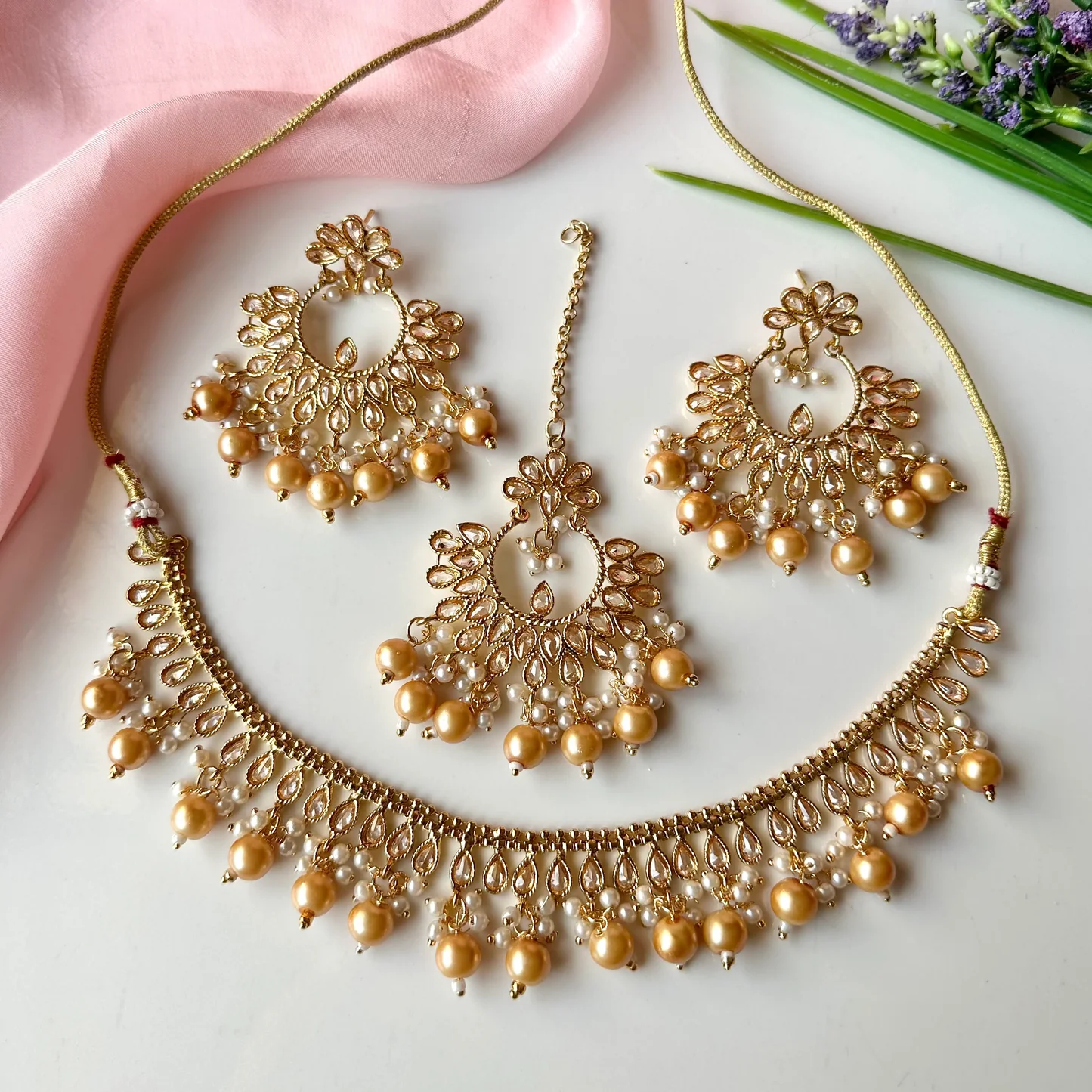
Your wedding day represents one of life's most significant moments, and every detail matters in creating the perfect celebration of your love story. Among the many decisions you'll make, selecting the right bridal jewellery set stands as a particularly meaningful choice that will be forever captured in your wedding photos and memories. These carefully coordinated pieces don't just accessorize your outfit; they complete your bridal vision and add that finishing touch of elegance and sparkle to your special day.
The tradition of brides adorning themselves with beautiful accessories dates back centuries across cultures worldwide. In South Asian weddings particularly, the bride's accessories hold deep cultural significance, often representing prosperity, blessings, and the beginning of a new chapter. Today's brides have the wonderful opportunity to blend traditional elements with contemporary designs, creating looks that honor heritage while expressing individual style.
Understanding Bridal Jewellery Components
A complete bridal set typically includes several coordinated pieces designed to work together harmoniously. The necklace serves as the centerpiece, drawing attention to your neckline and complementing your dress or outfit. Earrings frame your face and balance the overall look, while the maang tikka (forehead piece) adds a traditional and regal touch that's particularly popular in South Asian weddings.
Beyond these basics, many brides incorporate additional elements like nose rings, hand pieces (haath phool), bangles, and anklets. Each element contributes to the complete bridal aesthetic, and the key lies in achieving balance. You want to look adorned and beautiful without appearing overwhelmed by accessories. The goal is enhancing your natural beauty and complementing your outfit, not competing with it.
Matching Your Set to Your Outfit
The relationship between your bridal outfit and accessories requires thoughtful consideration. Start by examining your outfit's neckline, as this dramatically influences necklace selection. A high neck or heavily embellished neckline pairs beautifully with statement earrings and a simpler necklace, or you might skip the necklace entirely. Conversely, a sweetheart or V-neck creates the perfect canvas for an elaborate necklace design.
Color coordination extends beyond simple matching. If your outfit features intricate embroidery or embellishments, consider how your pieces will interact with these details. Sometimes, complementary colors create more visual interest than exact matches. For instance, if your outfit has gold threadwork, mixing gold accessories with strategic colored gemstones can add depth without creating visual chaos.
The weight and style of your outfit also matter. Heavier, more traditional outfits typically pair well with substantial, ornate pieces that match their grandeur. Lighter, more contemporary outfits might call for delicate, minimalist designs that maintain an elegant, refined aesthetic.
Traditional vs. Contemporary Designs
Traditional bridal sets often feature intricate patterns inspired by cultural heritage. These might include Mughal-inspired motifs, floral designs, peacock patterns, or geometric arrangements that have been passed down through generations. Such pieces carry historical significance and create connections to cultural roots, making them meaningful choices for brides who value tradition.
Contemporary designs offer fresh interpretations of bridal elegance. These might feature cleaner lines, asymmetric arrangements, or innovative combinations of materials. Modern sets often incorporate diamond-heavy designs with minimal colored stones, or they might play with negative space and geometric shapes to create striking visual impact.
Many brides today opt for fusion approaches that blend traditional and contemporary elements. This might mean choosing a traditional design executed in modern materials, or pairing a contemporary necklace with traditional earrings. The fusion approach allows you to honor tradition while expressing your personal, modern sensibility.
Precious Metals and Their Roles
Gold remains the most traditional choice for bridal accessories across many cultures. Available in multiple karats and colors, gold offers versatility in both appearance and price points. Twenty-two karat gold provides rich color and traditional appeal, while eighteen karat offers durability with slightly more affordable pricing. Yellow gold delivers classic warmth, white gold creates contemporary elegance, and rose gold adds romantic, feminine touches.
Platinum has gained popularity for bridal pieces, particularly for diamond-heavy designs. Its natural white color never fades, and its density provides secure settings for precious stones. While more expensive than gold, platinum's durability and prestige make it an attractive choice for pieces you'll treasure forever.
Some brides choose silver for certain elements, particularly when seeking a cooler-toned metal at a more accessible price point. High-quality silver can look stunning when properly maintained, though it requires more care than gold or platinum to prevent tarnishing.
Gemstone Selection and Symbolism
Diamonds dominate bridal accessories for their unmatched brilliance and symbolism of eternal love. Whether you prefer the classic sparkle of round cuts, the elegance of emerald cuts, or the romantic appeal of pear shapes, diamonds add undeniable glamour to any bridal look. Many modern sets feature extensive diamond work that catches light beautifully in photographs and videos.
Colored gemstones introduce personality and vibrancy to bridal sets. Rubies represent passion and prosperity, making them popular in traditional designs. Emeralds symbolize growth and new beginnings, perfect for starting your married life. Sapphires offer wisdom and loyalty, while pearls represent purity and feminine grace. Many brides incorporate their birthstones or stones with personal significance into their sets.
The arrangement and size of stones significantly impact the overall appearance. Some sets feature large central stones surrounded by smaller accent pieces, while others distribute stones evenly throughout the design. Consider how stones are set as well; prong settings maximize sparkle, while bezel settings offer security and a more contemporary look.
Timing Your Purchase
Start shopping for your bridal set at least four to six months before your wedding. This timeline allows for browsing various options, potential custom design work, and any necessary adjustments. Rush decisions often lead to compromises you might regret when looking back at your wedding photos years later.
Custom designs require additional time. If you're working with a designer to create a unique set, begin conversations even earlier, perhaps eight to twelve months out. This gives adequate time for design consultation, production, revisions if needed, and final fittings.
Budget Considerations
Bridal sets span an enormous price range depending on materials, craftsmanship, and design complexity. Set a realistic budget early in the planning process, keeping in mind that these pieces will likely be worn again for anniversaries and special occasions. Many brides allocate fifteen to twenty percent of their overall wedding budget to accessories.
Consider whether you're purchasing pieces to keep forever or renting for the occasion. Rental options have become increasingly popular, offering access to elaborate, expensive sets at a fraction of the purchase price. This approach works well if you prefer changing styles or don't want the responsibility of storing and maintaining valuable pieces long-term.
Remember that quality matters more than quantity. A beautifully crafted set that fits your budget will serve you better than stretching financially for pieces beyond your means. Many jewelers offer payment plans that make higher-end sets more accessible.
Trial Runs and Final Fittings
Once you've selected or designed your set, schedule a trial wearing with your complete bridal outfit, hairstyle, and makeup. This trial reveals how everything works together and allows time for any necessary adjustments. You might discover that a necklace needs slight lengthening or shortening, or that earrings feel too heavy for all-day wear.
Pay attention to comfort during your trial. You'll be wearing these pieces for many hours, through ceremonies, photography sessions, and celebrations. Ensure that nothing pinches, pulls, or causes discomfort. Heavy earrings might need supportive backings, and tight bangles might need slight sizing adjustments.
Take photos during your trial run. What looks perfect in the mirror might photograph differently, and seeing images helps you evaluate the complete effect. Check that nothing creates unwanted glare or shadows in photos, and ensure all pieces are visible and complementary in both close-up and full-length shots.
Creating a Cohesive Bridal Vision
Your accessories should harmonize with other elements of your wedding aesthetic. Consider your venue's style and formality, your overall color palette, and even your wedding season. A beach wedding might call for lighter, more delicate pieces, while a grand ballroom celebration could accommodate elaborate, dramatic sets.
Think about how your look will transition throughout the day. Some brides wear more elaborate pieces for ceremonies and switch to lighter, more comfortable options for receptions. Having this flexibility prevents fatigue while maintaining your beautiful appearance throughout all celebrations.
As you plan your perfect wedding day and consider all the details that will make it uniquely yours, remember that your accessories should make you feel confident, beautiful, and authentically yourself. Whether you lean toward traditional grandeur or contemporary elegance, the right pieces will enhance your natural radiance and ensure you shine on your special day. For brides seeking exquisite craftsmanship and designs that balance tradition with modern sensibility, Zuha Jewellery offers stunning collections created with the understanding that your wedding day deserves nothing less than perfection.

 Arabic
 French
 Spanish
 Portuguese
 Deutsch
 Turkish
 Dutch
Dutch
 Italiano
 Russian
 Romaian
 Portuguese (Brazil)