
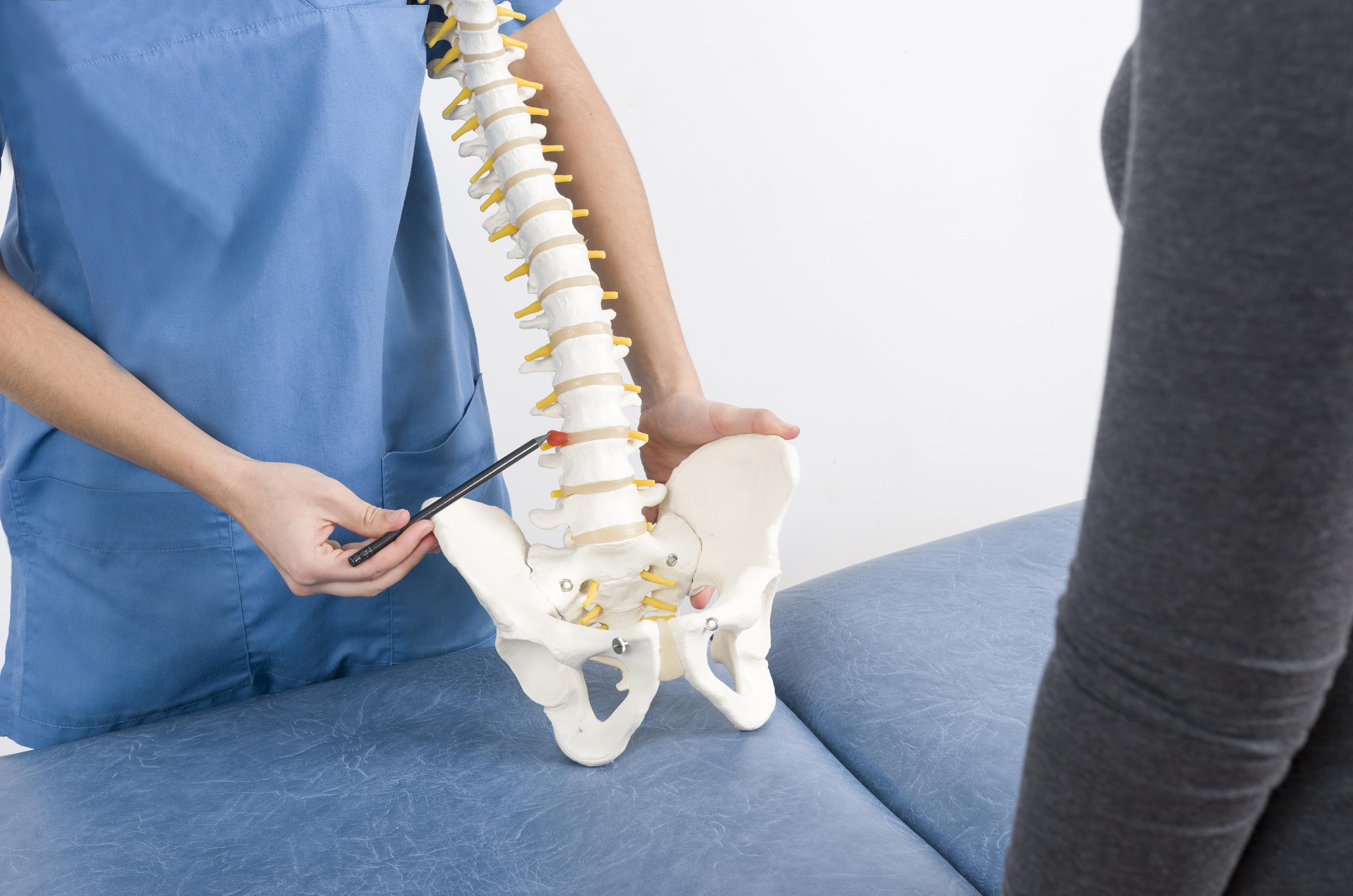
The decision to pursue non-surgical spinal care is one that many people face after developing persistent back or neck pain. Most people begin with basic self-care including rest, over-the-counter medication, and gentle stretching. When these measures fail to produce lasting improvement, the question of what to try next becomes important. Non-surgical spinal care encompasses a powerful range of evidence-based interventions that address structural spinal problems without surgery. Understanding when these options are appropriate helps people make more informed decisions about their care and their recovery pathway.
The Conservative Care First Principle
Modern clinical guidelines for spinal conditions emphasize a conservative care first principle. This approach recommends that non-surgical interventions be thoroughly explored before surgical options are considered. The rationale is well-supported by clinical research showing that the majority of disc and joint conditions respond favorably to appropriate conservative care. Surgery carries real risks including infection, nerve damage, hardware complications, and the development of adjacent segment problems. These risks are eliminated entirely when equivalent outcomes can be achieved through non-surgical means.
Non-surgical spinal care is most appropriate when the specific structural problem driving the symptoms falls within the range of conditions that respond to conservative management. Disc herniations, degenerative disc disease, facet joint dysfunction, and nerve root compression from disc-related causes all respond well to targeted non-surgical care. The absence of neurological emergencies such as cauda equina syndrome or rapidly progressive motor weakness allows time to pursue these conservative options thoroughly before considering surgery.
When Pain Has Lasted Beyond Six Weeks Without Meaningful Improvement
Duration of symptoms without meaningful improvement is one of the clearest indicators for pursuing non-surgical spinal care. Acute back or neck pain that has not shown significant improvement after six weeks of basic self-care deserves professional attention. At this point, the likelihood of spontaneous resolution without targeted intervention decreases substantially. The underlying structural problem is likely maintaining the pain cycle in a way that self-care cannot address.
Professional non-surgical care introduces targeted interventions that directly address the structural source of pain. These include spinal manipulation, decompression therapy, soft tissue techniques, and targeted rehabilitation exercise. Each intervention addresses a different component of the structural problem that self-care leaves untreated. The combination of these approaches produces improvement that months of self-management have been unable to achieve.
The risk of allowing persistent pain to continue untreated beyond six weeks also includes the development of central sensitization. When the nervous system is exposed to persistent pain signals, it begins to amplify these signals through a process of central upregulation. This sensitization makes the pain experience disproportionate to the original structural injury and increasingly difficult to manage. Initiating targeted non-surgical care before this sensitization becomes established produces significantly better outcomes.
When Radiating Symptoms Into the Arm or Leg Are Present
The presence of radiating symptoms into the arm or leg is an important indicator for non-surgical spinal assessment. These symptoms indicate that the spinal condition has progressed to the point of nerve root compression or irritation. Pain that radiates from the neck into the arm or from the low back into the leg follows specific nerve root pathways that help identify the level of spinal involvement. Numbness, tingling, and weakness accompanying the radiating pain confirm neurological involvement.
Nerve root symptoms respond particularly well to non-surgical decompression-based care. The mechanical decompression of the affected disc directly reduces the herniation pressing on the nerve root. As the disc material retracts away from the nerve, the compression stimulus diminishes and symptoms progressively improve. Many patients with significant nerve root symptoms including arm or leg pain, numbness, and tingling achieve complete resolution through a structured non-surgical protocol.
The importance of seeking professional care when radiating symptoms are present cannot be overstated. Untreated nerve root compression can lead to progressive neurological changes including permanent sensory loss and muscle weakness. Early intervention before these changes become established protects neurological function and produces better long-term outcomes. Non-surgical spinal care initiated promptly after the onset of radiating symptoms consistently achieves superior outcomes compared to care initiated after months of symptom persistence.
When Multiple Courses of Medication Have Not Provided Lasting Relief
Medication dependence for spinal pain management without meaningful structural improvement is a clear signal to consider non-surgical spinal care. Anti-inflammatory medications, muscle relaxants, and analgesics all provide temporary symptom relief without addressing the structural problem generating the pain. When patients find that they need ongoing medication to manage their pain without experiencing lasting improvement, the structural problem remains active and unresolved.
Non-surgical spinal care provides the structural intervention that medication cannot offer. Spinal manipulation addresses joint restriction and nerve root irritation mechanically. Decompression therapy addresses disc herniation and intradiscal pressure non-invasively. Soft tissue techniques address the muscular and fascial contributors to persistent pain. Rehabilitation exercise builds the structural support that reduces the daily loading stress on the spinal tissues.
Many patients find that beginning appropriate non-surgical care allows them to progressively reduce their reliance on pain medication. As the structural problem is addressed and pain levels decrease, the need for pharmaceutical pain management diminishes correspondingly. This reduction in medication dependence is clinically meaningful in its own right, eliminating the risks and side effects associated with long-term NSAID use, muscle relaxant use, and opioid dependence.
When Imaging Has Confirmed Disc or Joint Pathology
The presence of imaging-confirmed disc or joint pathology is a strong indicator for targeted non-surgical spinal care. When an MRI or CT scan confirms a lumbar disc herniation, cervical disc herniation, degenerative disc disease, or spinal stenosis, the structural basis of the patient's symptoms is established. This structural confirmation allows non-surgical care to be targeted directly to the confirmed pathology rather than applied empirically.
Disc herniations with confirmed nerve root compression respond particularly well to non-surgical decompression therapy. The negative intradiscal pressure created by decompression therapy directly addresses the herniation by drawing the protruding disc material back toward its normal position. Many patients with MRI-confirmed herniations who have not undergone spinal surgery achieve significant structural improvement and symptom resolution through a structured decompression protocol.
Degenerative disc disease confirmed on imaging also responds well to non-surgical care targeting disc hydration, segmental mobility, and muscular support. While degeneration cannot be fully reversed, its symptoms can be substantially reduced through targeted clinical intervention. Patients with imaging-confirmed degeneration who engage with comprehensive non-surgical care consistently achieve meaningful improvements in pain levels and functional capacity. Imaging confirmation allows the treatment plan to be precisely matched to the specific structural pathology present.
When the Patient Wants to Avoid Surgery
Patient preference to avoid surgery is a legitimate and important consideration in selecting non-surgical spinal care. Many patients who are offered surgical consultation have significant personal, occupational, or medical reasons for wanting to avoid operative intervention. The risks of surgery including anesthesia complications, infection, nerve damage, hardware failure, and the development of failed back surgery syndrome are real and meaningful concerns. Many patients reasonably prefer to exhaust non-surgical options thoroughly before accepting these risks.
Non-surgical spinal care provides a viable and evidence-supported alternative pathway for many patients who are otherwise surgical candidates. Studies comparing non-surgical decompression therapy to surgical discectomy for appropriate lumbar disc herniation patients report comparable outcomes in many cases. The substantially lower risk profile of non-surgical care makes it a highly compelling option for patients who prefer to avoid surgery when equivalent outcomes can be achieved through conservative means.
Professional Spinal decompression treatment offered by a qualified clinic provides surgery-averse patients with a scientifically supported, technology-driven non-surgical option that directly addresses disc herniation, nerve root compression, and disc degeneration through individualized, computer-controlled traction protocols designed to produce structural improvement without surgical intervention.
What Non-Surgical Spinal Care Typically Involves
A comprehensive non-surgical spinal care program integrates multiple evidence-based interventions working synergistically. Spinal decompression therapy addresses the disc and nerve root component of the structural problem. Chiropractic manipulation addresses the joint restriction and segmental mobility deficits accompanying disc pathology. Soft tissue therapy addresses the muscular and fascial contributors to persistent pain and mobility restriction. Rehabilitative exercise builds the core stability and muscular support structure that sustains clinical improvements.
Postural re-education addresses the lifestyle habits that originally contributed to disc and joint degeneration. Ergonomic assessment of the work environment identifies and corrects the occupational stressors that perpetuate daily spinal loading. Nutritional guidance and hydration counseling support the biological healing environment within the spinal tissues. Sleep position optimization reduces nightly spinal stress and supports restorative tissue repair. This comprehensive approach addresses the structural problem and its contributing lifestyle factors simultaneously.
Knowing When Non-Surgical Care Is Not Sufficient
Understanding when non-surgical care is not the appropriate pathway is as important as knowing when it is. Cauda equina syndrome, which involves bladder or bowel dysfunction alongside lumbar symptoms, requires immediate surgical intervention. Progressive neurological weakness that worsens despite appropriate conservative care warrants urgent reassessment and surgical referral. Spinal instability from fracture, tumor, or severe ligamentous injury requires structural stabilization that only surgery can provide. A thorough initial assessment by a qualified provider identifies these situations and ensures appropriate referral pathways are followed promptly.
Conclusion
Non-surgical spinal care is appropriate across a wide range of clinical scenarios including persistent pain beyond six weeks, radiating neurological symptoms, failed medication management, imaging-confirmed disc pathology, and patient preference to avoid surgery. Comprehensive non-surgical programs integrating decompression therapy, manual care, exercise rehabilitation, and lifestyle modification address structural spinal problems effectively and safely. With accurate patient selection, appropriately targeted treatment, and full protocol adherence, non-surgical spinal care consistently delivers the meaningful and lasting outcomes that many patients have been unable to achieve through basic self-care or pharmaceutical management alone.

 English
 Arabic
 French
 Spanish
 Portuguese
 Deutsch
 Turkish
 Dutch
Dutch
 Russian
 Romaian
 Portuguese (Brazil)