
Body Kits Styling, Types and What to Know Before You Buy
A body kits is one of the fastest ways to change how a car looks. It can sharpen the front end, widen the stance and give a standard model a sportier or more aggressive personality. This guide explains what body kits are, the parts they include, the materials used and how to choose one that fits your car and budget.
What Is a Body Kit?
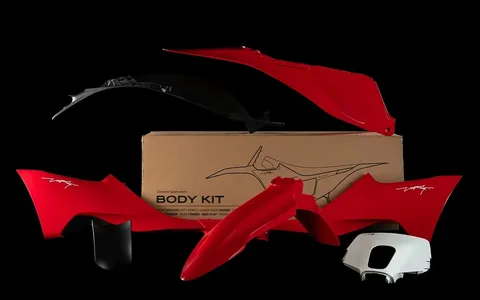
A body kit is a set of aftermarket exterior panels designed to replace or attach to a vehicle's original bumpers, sides and rear. Kits are made to improve appearance, and some also aim to improve airflow around the car. They range from small add-ons to complete conversions that transform the entire shape.
What Does a Body Kit Include?
Contents vary by brand and car model, but a typical kit may include:
-
Front bumper or lip: Changes the face of the car and may add larger air intakes
-
Rear bumper or diffuser: Gives the back a cleaner, sportier shape
-
Side skirts: Run along the lower sides to create a lower visual profile
-
Fender flares or wide arches: Cover wider wheels and tires
-
Spoiler or wing: Adds a sporty look and, on performance builds, helps stability
-
Hood or grille options: Some kits include matching front-end parts
-
Common Body Kit Materials
Fiberglass
Fiberglass is light and affordable, and it can be molded into complex shapes. It can crack on impact and usually needs careful fitting and paint preparation.
Polyurethane
This flexible material handles small bumps better than fiberglass and is more forgiving on daily-driven cars. It is often heavier and slightly more expensive.
Carbon Fiber
Carbon fiber is very light and strong, with a premium woven look. It also carries the highest price and can be costly to repair.
ABS Plastic
ABS is a tough, injection-molded plastic that gives consistent fit and finish. It is common on factory-style or higher quality aftermarket kits.
Professional car detailing helps keep your vehicle clean, polished, protected, and looking its best.
Types of Body Kits by Style
-
Sporty street kits: Subtle lips, skirts and diffusers for a cleaner look
-
Widebody kits: Large flared arches that allow much wider wheels
-
Racing-inspired kits: Aggressive shapes with functional aerodynamic elements
-
Luxury or OEM-style kits: Designed to look like factory sport packages
-
Custom show kits: Unique designs built for events and displays
Benefits of Installing a Body Kit
-
Personalized appearance: Stand out from standard models.
-
Better stance: A bolder image is created by broader and shorter lines.
-
Possible aerodynamic gains: Well-designed parts may improve airflow.
-
Protection for some areas: Lips and skirts can shield lower edges, though they can also be vulnerable.
-
Resale appeal: A tasteful, professionally fitted kit may attract enthusiasts, although heavy modifications can narrow the buyer pool.
Things to Consider Before Buying
-
Exact fitment: Confirm the kit matches your car's make, model, year and trim.
-
Quality and brand reputation: Cheap kits may need extensive trimming and sanding.
-
Total cost: Add painting, fitting, wheels and alignment to the kit price.
-
Ground clearance: Low lips can scrape on speed bumps and steep driveways.
-
Local regulations: Some regions limit exterior modifications, so check the rules.
-
Insurance: Inform your insurer, since modifications can affect cover.
Installation and Care Tips
Professional installation is often worth the cost, especially for painted or widebody kits. Panels need to be test-fitted before painting, and gaps should be even. After installation, wash the car gently, wax or coat the paint and inspect fasteners periodically. Take care on rough roads to protect low-mounted parts.
Frequently Asked Questions (FAQs)
1. What is an automobile body kit?
It is a set of aftermarket exterior parts, such as bumpers, skirts and spoilers, designed to change a car's look.
2. Do body kits improve performance?
Most are cosmetic. Some well-engineered aerodynamic parts can help airflow, but real performance gains depend on design and driving conditions.
3. How much does a body kit cost?
Prices depend on the car, material and kit type. Prepare a budget for painting, installation, and parts.
4. Can I install a body kit myself?
Simple lips and splitters may be manageable at home, but full kits usually need a body shop for proper fit and paint.
5. Which material is best?
Polyurethane suits daily driving, fiberglass is budget-friendly and carbon fiber is best for lightweight, premium builds.
6. Are body kits legal?
Rules vary by country and region, so check local vehicle regulations before modifying.
7. Will a body kit reduce my car's value?
It depends on quality and taste. A neat professional job can appeal to enthusiasts, while rough work can hurt resale.
Final Thoughts
A body kit lets you reshape your car's character, but success depends on choosing a compatible, well-made kit and installing it carefully. Plan your total budget, check local rules and choose a style that fits how you drive.

 English
 Arabic
 French
 Spanish
 Portuguese
 Deutsch
 Turkish
 Dutch
Dutch
 Russian
 Romaian
 Portuguese (Brazil)