
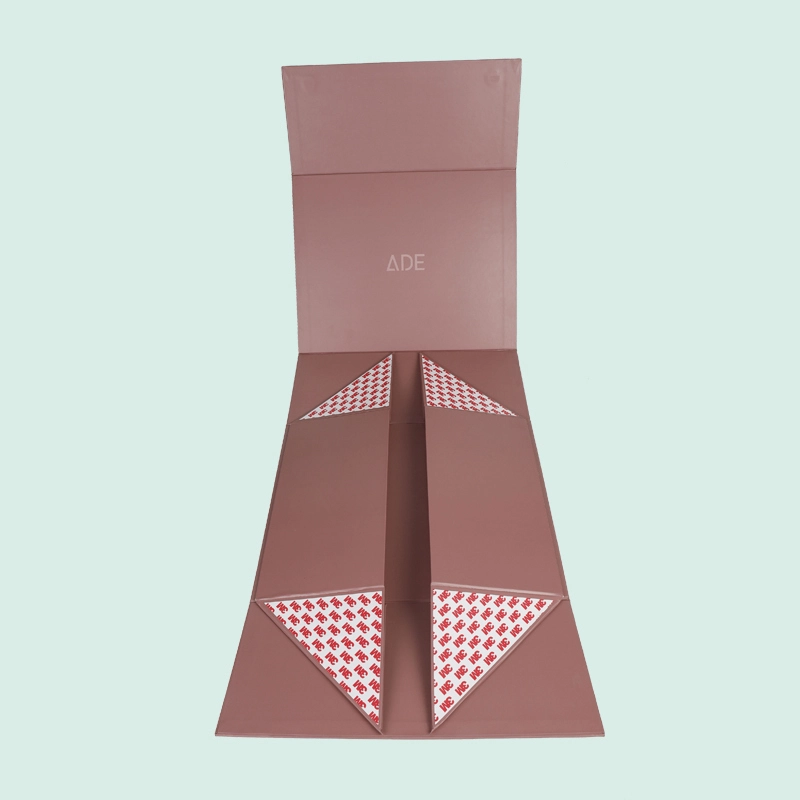
Most customers see only the finished box: neat edges, rich color, a lid that opens smoothly. They rarely see the many hands, machines, and decisions that shaped it. Yet that hidden process is what separates luxury packaging from the ordinary. Walking through a factory reveals a blend of technology and craftsmanship, with printing presses humming beside workers who smooth paper by hand. Every box passes through many stages, and each one affects how the final product looks and feels. Here is a behind-the-scenes look at how luxury foldable gift boxes take shape at Ipack Packaging, from raw materials to the final quality check.
Selecting and Preparing Materials
The process begins with materials. Rigid board arrives in large sheets and is inspected for thickness, flatness, and surface quality. Decorative papers, whether textured, pearlescent, or specialty-coated, are checked for color accuracy and defects. Magnets, ribbons, and inserts are verified as well. Even small flaws at this stage can show up later as visible imperfections, so incoming inspection is taken seriously. Materials are stored carefully to prevent warping or moisture damage. Preparing everything properly before production starts might seem unglamorous, but it forms the foundation of a high-quality result, giving later stages the best possible raw ingredients to work with.
Printing and Surface Finishing
Next comes printing, where artwork is transferred onto paper using offset presses. Operators adjust ink levels and alignment, comparing printed sheets against approved samples. After printing, surface treatments such as lamination, varnish, or soft-touch coating are applied. Decorative techniques follow, including foil stamping, embossing, and spot UV. These steps demand patience and precision, as pressure, temperature, and timing must be just right. A slightly misaligned foil logo can ruin an otherwise beautiful box. Skilled technicians monitor each run closely, making small adjustments to keep results consistent. This is where flat sheets begin to acquire the colors and textures that give luxury packaging its distinctive character.
Shaping, Wrapping, and Assembling by Hand and Machine
Once printed, materials are cut and shaped. Board is cut to size and scored for folding, while wrap paper is trimmed to match. Wrapping is often the most delicate step, requiring workers to apply glue evenly and smooth the paper without bubbles or creases. Corners must be tidy, edges crisp. Some tasks are performed by machines for speed and consistency, but many luxury finishes still rely on human skill. Hinges, magnets, and ribbons are attached carefully. In a high-end foldable gift box, the components are designed to collapse flat yet reassemble perfectly, which demands accurate cutting and consistent glue application at every stage.

Quality Checks at Every Stage
Throughout production, inspectors examine boxes for flaws. They check color against samples, look for scratches or glue marks, test closures, and measure dimensions. Defective pieces are set aside and either repaired or discarded. Random sampling is performed on finished goods to verify that standards are being met across the run. This constant vigilance prevents small issues from multiplying and ensures that each box leaving the factory reflects the quality the client approved. For luxury packaging especially, even tiny imperfections matter, since customers expect flawless presentation. The reputation of both manufacturer and brand rests on this meticulous, often invisible, attention to detail.
Packing and Preparing for Shipment
When boxes pass inspection, they are packed for transport. Flat components are stacked neatly, protected from scuffing, and placed in strong export cartons. Cartons are labeled and counted, then palletized for shipping. Moisture protection and corner reinforcements may be added depending on the route. Careful packing is the last act of craftsmanship, safeguarding all the effort invested earlier. A beautiful box that arrives dented or stained would waste that work. By the time cartons leave the factory, each box has passed through dozens of hands and checks. Customers may never see this journey, but they feel its results every time they open a box that simply feels right.

 English
 Arabic
 French
 Spanish
 Portuguese
 Deutsch
 Turkish
 Dutch
Dutch
 Russian
 Romaian
 Portuguese (Brazil)