
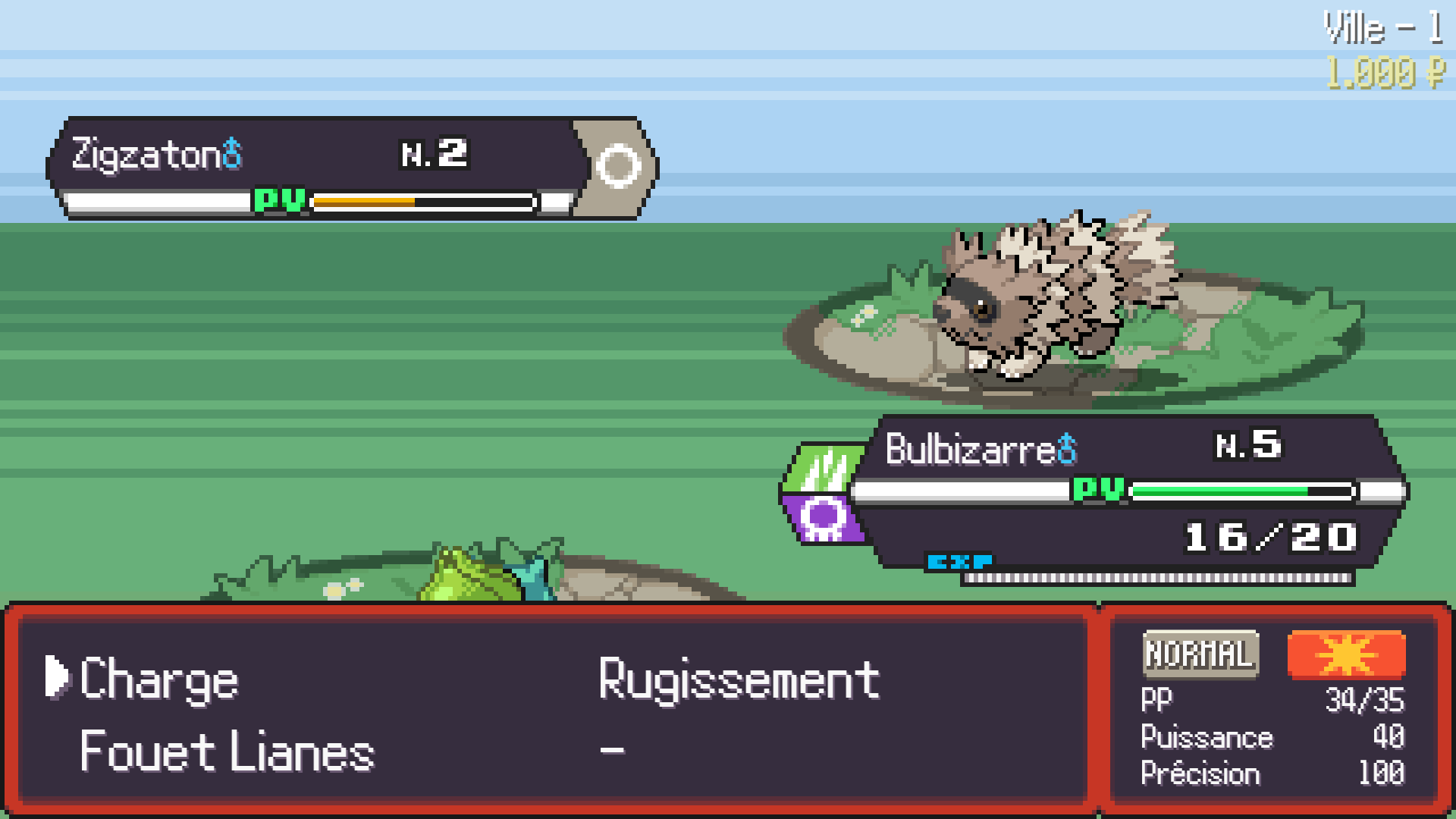
The first time I tried Pokerogue , I honestly thought I’d mess around for a bit and then close the tab. I mean, I’m a Pokémon fan—I know how Pokémon works. But the moment I started a run, it felt like the game kept asking me questions I wasn’t expecting: How am I supposed to build a team under pressure? What happens if I mess this up? And then, of course, I did mess it up. More than once.
What surprised me most was how the “one more run” feeling didn’t come from chasing a single finish line. It came from the urge to correct my choices.
The run loop: battles, biomes, and “oh no, I’m not ready”
PokéRogue is a Pokémon roguelite—a fan-made project that mixes classic Pokémon battles with roguelite-style progression. Instead of one tidy story path, you get consecutive battles through different biomes, running into wild Pokémon, trainers, and boss-style fights.
The first thing I noticed during early attempts was how quickly the game stops letting you coast. In normal Pokémon games, you can usually rely on grinding, pacing, and familiarity. Here, the run structure nudges you into making decisions and committing to them. Sometimes I felt like I had a solid plan… and then a tougher trainer showed up and suddenly my team felt way more fragile than I’d assumed.
And no, there isn’t the comfortable “Pokémon Center” reset vibe either. You have to rely on healing options you gather through items and rewards, so every battle feels like it has consequences.
Starter costs changed the way I pick Pokémon
I made a super common mistake at the start: I picked what looked strong. It was a “favorite Pokémon first” move, and it backfired the moment I tried to build the rest of the team.
In PokéRogue, starters have costs and your team composition needs planning around that budget. Once I realized each Pokémon is tied to a value system, I started thinking in terms of roles instead of raw power. Type coverage matters way more than I wanted it to. When your team is missing one key type, you don’t just “adapt”—you end up getting punished, then restarting the run.
The restart part is real, too. Losing a run is essentially “death,” and you begin again—except now you’ve learned something (usually the hard way).
Catching Pokémon isn’t just for collection—it feeds future runs
After a couple failed runs, I started paying closer attention to catching Pokémon during encounters. Catching felt more meaningful than I expected because your discoveries don’t vanish into the void. They can contribute to future starter progression.
That was the moment I realized PokéRogue is playing a longer game with you. When you catch or hatch Pokémon, helpful traits can transfer forward to its corresponding starter version for later runs. So even if a run ends early, it can still be building towards something better.
Items and rewards made me rethink “just brute force it”
I also underestimated how much items and rewards shape a run. There were times I assumed I could brute through a tough sequence, then realized I was missing key healing resources or that my item choices were making battles harder than they needed to be.
As the game progresses, defeating gym leaders can reward tickets for egg gacha, which can expand what starts and moves you have access to. I didn’t expect that to matter so much, but egg possibilities can totally change your next plan.
Daily Run is my favorite “shared puzzle”
I tried the Daily Run (beta) and liked how it gives a recurring challenge with a shared daily setup. It feels like everyone gets the same puzzle at the same time, and you can’t rely on your usual comfort picks forever.
How I use the PokéRogue Dex (instead of guessing)
The Pokerogue Dex became my “stop panicking and check” tool. At first, I was trying to remember everything myself—typing, abilities, evolution requirements, and even practical stuff like starter costs.
Now, when I’m planning a team and I see a Pokémon that looks promising, I’ll open the Dex to check details like:
- typing (so I’m not guessing coverage)
- abilities (to understand what it actually does)
- base stats
- starter cost
- evolution requirements
- available moves
- biome information (so I’m not surprised later)
That information helps me make better decisions instead of blindly grabbing what “seems good.”
What I learned after losing (again and again)
The big lesson from my runs: strategy beats vibes. I can’t just pick a powerful starter and hope for the best—I need to think about the team’s overall needs, the resources I’ll have, and how my choices affect later battles.
Also, retrying the same “idea” is worth it. When I pay attention to what caused me to lose—healing pressure, bad matchup coverage, or not having the right options—I can usually fix the problem and make real progress.
Come play PokéRogue with me
If you’re the kind of Pokémon fan who likes experimenting, making choices under pressure, and learning from failed attempts, I think you’ll click with PokéRogue. It’s not trying to be a “perfect” game loop—it’s giving you runs, mistakes, and chances to build smarter.
Try it, and when you lose (because you will), tell me what went wrong. Even better, hop into a Daily Run and we can compare discoveries and decisions—see who can build a team that keeps going.

 English
 Arabic
 French
 Spanish
 Portuguese
 Deutsch
 Dutch
Dutch
 Italiano
 Russian
 Romaian
 Portuguese (Brazil)