
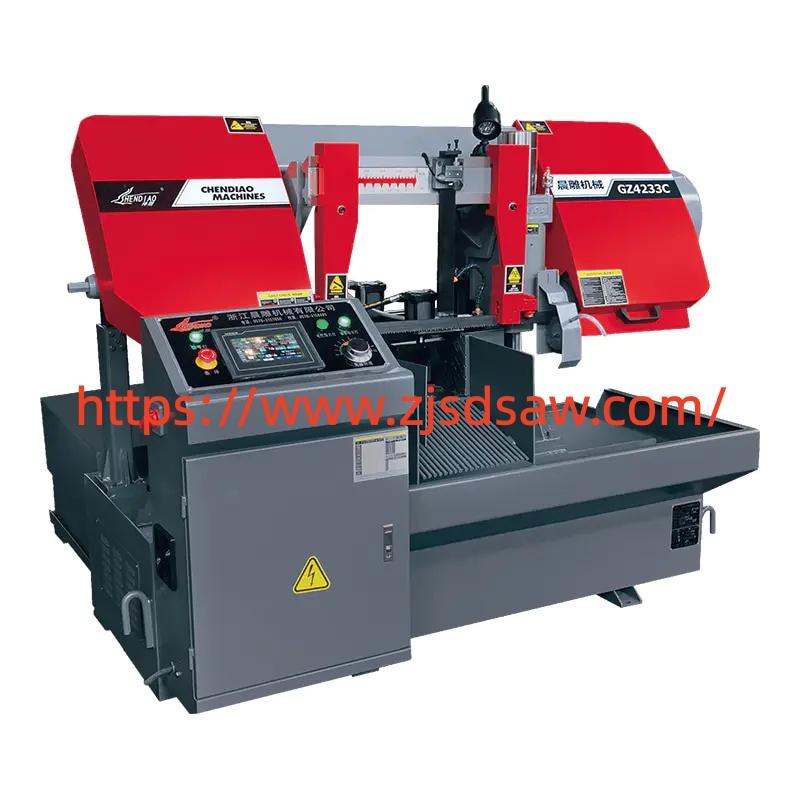
Horizontal Metal Cutting Band Saw Machine selection deserves careful attention because different workshops handle different materials, dimensions, production volumes, and operating conditions. Buyers should look beyond basic specifications and consider how the equipment will fit into their existing workflow. A suitable configuration can help operators manage daily tasks with greater consistency while making maintenance and production planning easier.
One of the first points to review is the size and shape of the material being processed. Buyers should identify the maximum workpiece dimensions, common stock sizes, and the range of materials used in regular operations. Capacity should match actual requirements rather than occasional oversized jobs. This approach can help prevent unnecessary equipment costs while ensuring that routine production can be handled comfortably.
Blade selection is another practical consideration. Different alloys and profiles can require different tooth arrangements, blade materials, and operating parameters. Buyers should check whether the equipment supports blade specifications appropriate for their applications. Easy blade replacement is also useful because operators may need to change configurations according to material type or production schedules. A practical design can reduce unnecessary interruptions during routine work.
Control functions deserve attention as well. Some workshops prefer straightforward manual operation, while others may require automated feeding, adjustable speed settings, or programmable functions. The right control arrangement depends on operator experience, production volume, and the level of process management required. Clear controls can also make daily operation easier for workers who need to switch between different jobs.
Safety features should be reviewed before purchasing industrial equipment. Protective covers, emergency stop functions, stable material positioning, and suitable workpiece support can all contribute to a more controlled operating environment. Buyers should also consider whether routine inspection points are easy to access. A machine that allows operators and maintenance personnel to reach important components without complicated procedures can support more convenient upkeep.
Space and installation conditions are sometimes overlooked during purchasing. Buyers should measure the available floor area and consider material loading, unloading, operator movement, and maintenance access. Electrical requirements, workshop layout, and transportation arrangements may also affect installation planning. Checking these details in advance can reduce avoidable difficulties after the equipment arrives.
Production volume is another factor that can influence configuration. A workshop handling occasional fabrication jobs may have different requirements from a facility processing large quantities of stock every day. Buyers should evaluate expected operating hours, batch sizes, feeding frequency, and operator workload. These details provide a more realistic basis for selecting specifications than simply comparing machines by appearance or advertised capacity.
Maintenance planning should also form part of the purchasing process. Buyers can ask about commonly replaced components, lubrication points, blade adjustment procedures, and access to service areas. Availability of technical support and replacement parts may be important when equipment is used as part of a continuous production schedule. Clear maintenance arrangements can make ownership easier to manage over time.
Chendiao focuses on practical equipment configurations for industrial users who need reliable processing support across different workshop environments. When comparing suppliers, buyers can review specifications carefully, discuss material requirements with the manufacturer, and confirm whether the proposed configuration matches their actual workload. This communication can help create a clearer purchasing decision based on application rather than assumptions.
A thoughtful selection process connects capacity, blade compatibility, controls, safety, installation space, production volume, and maintenance requirements. Buyers who evaluate these areas together can create a more suitable equipment plan for their facilities. Chendiao product configurations can be reviewed alongside application requirements through https://www.zjsdsaw.com/product/

 English
 Arabic
 French
 Spanish
 Portuguese
 Deutsch
 Turkish
 Dutch
Dutch
 Russian
 Romaian
 Portuguese (Brazil)