
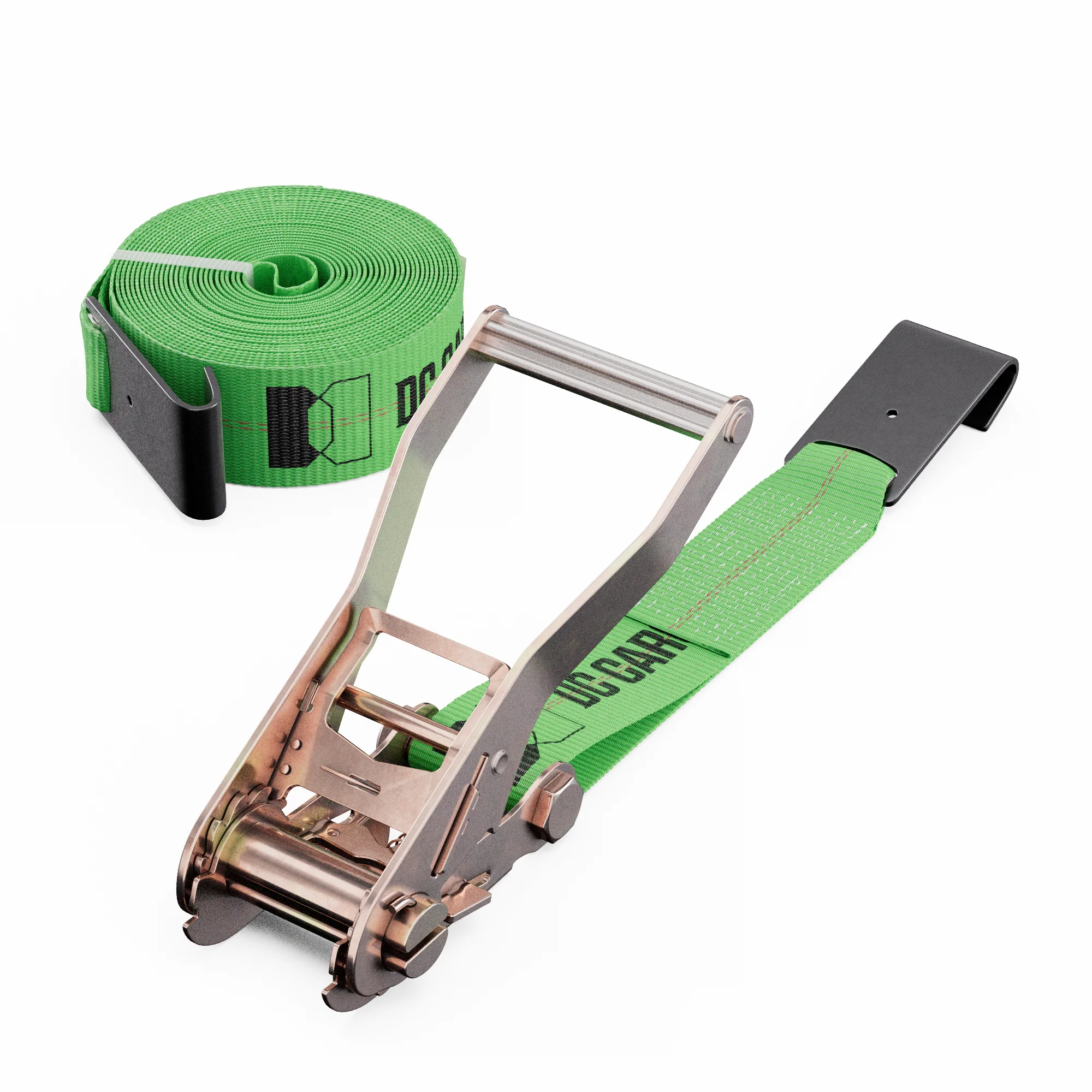
Heavyweight Round Slings for Safe and Reliable Load Handling
Lifting heavy equipment requires the right equipment, careful planning, and attention to safety. Heavyweight round slings provide a flexible lifting solution for handling machinery, industrial components, construction materials, and other substantial loads.
Unlike rigid lifting equipment, round slings can adapt around different load shapes while helping distribute lifting forces across the load. For UK businesses and professionals, selecting the correct sling involves considering the Working Load Limit (WLL), lifting method, sling length, material, and condition.
At The Ratchet Shop, customers can explore load restraint and lifting equipment designed for a range of demanding applications. Choosing the correct product specification is essential to ensure equipment is used safely and appropriately.
What Are Heavyweight Round Slings?
Heavyweight round slings are flexible lifting slings generally constructed from high-strength synthetic fibres enclosed within a protective outer sleeve. Their flexible design allows them to wrap around suitable loads and work with compatible lifting equipment.
They are commonly used in construction, engineering, manufacturing, transport, and industrial environments where substantial loads need to be lifted or positioned.
Flexible Load Handling
The flexible construction allows a round sling to conform to suitable load shapes more easily than some rigid lifting accessories.
Lightweight Compared With Rigid Equipment
Even when designed for substantial loads, synthetic slings can be relatively easy to handle and store compared with some heavier lifting accessories.
Different Capacity Options
Round slings are available in different rated capacities. Always select a sling according to its marked WLL and the specific lifting arrangement.
Benefits of Heavyweight Webbing Slings
Heavyweight webbing slings can provide another practical option for lifting and material-handling operations. Flat webbing construction offers a broad contact area, which can be useful for particular loads and lifting configurations.
Broad Load Contact
The wider surface of a webbing sling can help distribute contact pressure when used correctly with suitable loads.
Versatile Applications
Webbing slings can be used across industries including construction, manufacturing, logistics, engineering, and equipment handling.
Easy Identification
Quality lifting slings should have clear markings showing important information such as their rated capacity and relevant specifications.
How to Choose the Right Sling
Selecting a sling should never be based on appearance or maximum breaking strength alone. The complete lifting arrangement must be considered.
Check the Working Load Limit
The WLL indicates the maximum load that the sling is designed to lift under specified conditions. Never exceed the manufacturer's stated limit.
Consider the Lifting Method
The capacity can vary depending on whether the sling is used in a straight lift, choke hitch, basket configuration, or another approved arrangement.
Choose the Correct Length
The sling should be long enough to create the required lifting arrangement without unnecessary excess material that could interfere with the operation.
Check Compatibility
Make sure the sling is compatible with hooks, shackles, lifting points, and other equipment being used.
Safe Use of Heavyweight Round Slings
Correct selection is only part of safe lifting practice. Every sling should be inspected before use and handled according to the manufacturer's instructions.
Inspect Before Every Use
Look for cuts, abrasion, damaged stitching, chemical damage, exposed fibres, deformation, or other signs of deterioration.
Protect Against Sharp Edges
Synthetic slings can be damaged by sharp edges. Use suitable edge protection where required and ensure the sling is positioned correctly.
Avoid Shock Loading
Loads should be lifted smoothly. Sudden loading or jerking can place excessive forces on lifting equipment.
Keep Personnel Clear
No one should stand beneath a suspended load. The lifting area should be controlled so that people remain at a safe distance.
Industries That Use Heavy-Duty Slings
The versatility of heavyweight round slings makes them useful across various professional environments.
Construction
Construction teams may use lifting slings when handling structural materials, machinery, and other heavy components.
Manufacturing
Factories can require lifting equipment to move machinery, production components, and manufactured products.
Engineering and Maintenance
Industrial maintenance work may involve positioning heavy equipment where flexible lifting accessories can be useful.
Transport and Logistics
Appropriate lifting equipment can support the loading and unloading of heavy goods when used by trained personnel and according to the relevant procedures.
Choosing a Reliable Supplier
When purchasing heavyweight webbing slings or round slings, product quality, traceability, specifications, and suitability should all be considered.
A specialist supplier can make it easier to compare different capacities, lengths, constructions, and lifting accessories. Customers should also check that products are appropriately marked and supplied with the information required for safe use.
The Ratchet Shop provides load-handling and restraint solutions for customers across the UK. Before purchasing, review the product specifications carefully and ensure the selected equipment matches the intended lifting application.
Frequently Asked Questions
What are heavyweight round slings used for?
Heavyweight round slings are used for lifting and positioning suitable heavy loads in environments such as construction, engineering, manufacturing, and industrial operations.
Are heavyweight webbing slings suitable for heavy loads?
Some heavyweight webbing slings are designed for substantial lifting applications. Suitability depends on the individual sling's WLL, lifting configuration, condition, and manufacturer's instructions.
How do I know which sling capacity I need?
Consider the load weight, lifting method, sling angle, attachment points, and manufacturer's rated capacity. If you are unsure, seek advice from a competent lifting professional.
How often should lifting slings be inspected?
Inspect lifting slings before each use and remove any sling showing damage or deterioration that could affect safe performance. Formal inspection requirements may also apply depending on the workplace and applicable regulations.
Can round slings be used with sharp-edged loads?
They may be used only when the lifting arrangement and sling are suitable and adequate edge protection is provided where necessary. Sharp edges can seriously damage synthetic sling material.
Choose the Right Sling for Your Application
Safe lifting starts with choosing equipment that matches the load and the lifting method. Heavyweight round slings can provide a flexible solution for demanding material-handling applications when correctly selected, inspected, and used.
Whether you need round slings or heavyweight webbing slings, pay close attention to WLL, configuration, length, compatibility, and inspection requirements rather than selecting equipment based solely on appearance or price.
Explore the lifting and load-handling solutions available from The Ratchet Shop, review the specifications carefully, and choose equipment suited to your application. Make safe load handling a priority on every lifting job.

 Arabic
 French
 Spanish
 Portuguese
 Deutsch
 Turkish
 Dutch
Dutch
 Italiano
 Russian
 Romaian
 Portuguese (Brazil)