
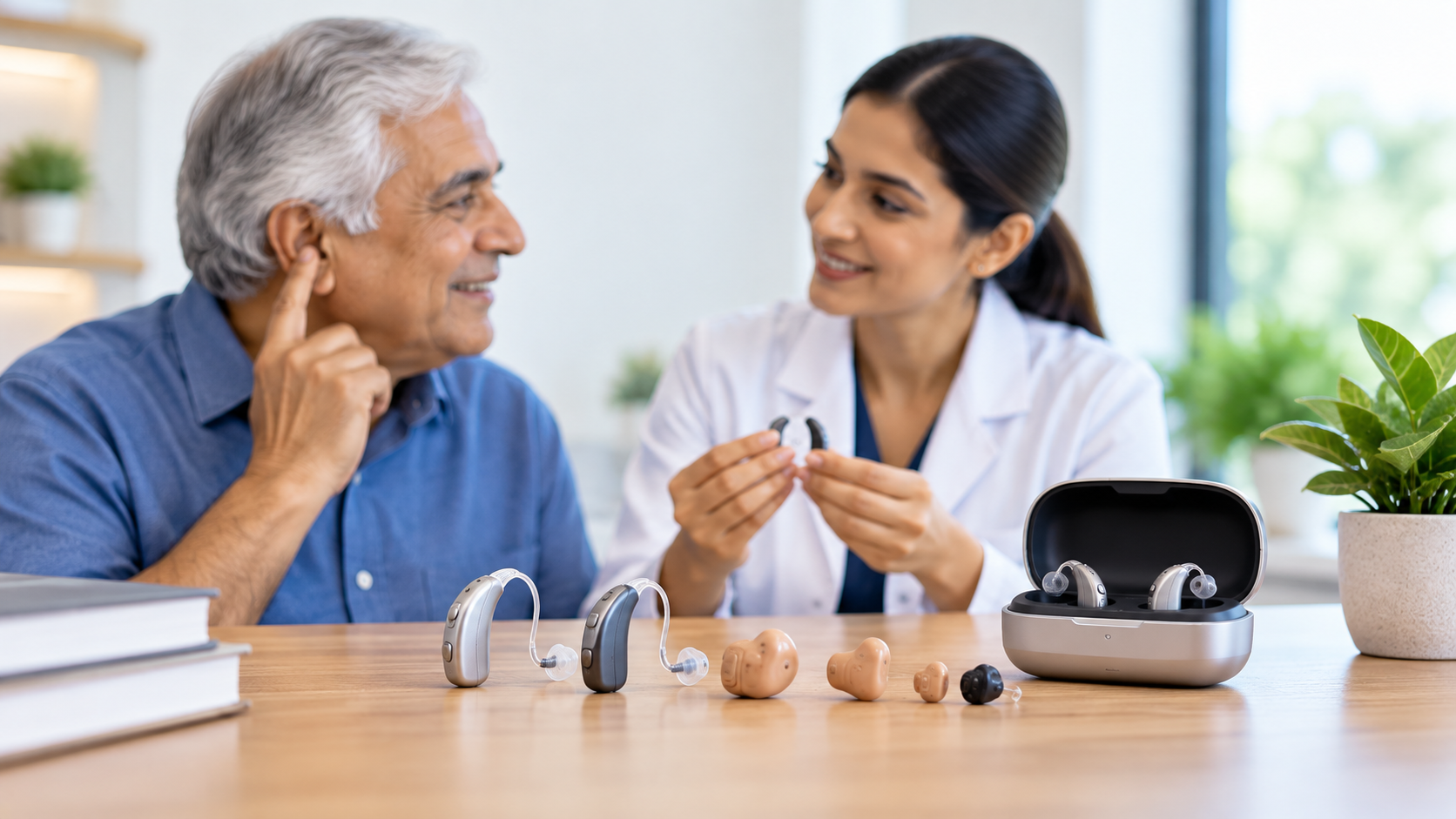
A hearing aid can become an important part of daily life. It may help someone follow conversations with family, communicate at work, enjoy social gatherings, or feel more aware of sounds around them. But purchasing a hearing aid is only the beginning. Regular care, proper handling, and professional follow-up can also contribute to a better experience.
Like any small electronic device, hearing aids need attention. Moisture, earwax, dust, improper storage, and neglected maintenance can affect their performance. Understanding how to care for a hearing aid can help users protect their investment and recognize when professional support may be needed.
Why Hearing Aid Care Matters
Hearing aids are designed for regular use, but they are not maintenance-free. They contain delicate components that may be affected by moisture, debris, and physical damage.
A device that is not cleaned or stored correctly may develop problems such as:
-
Reduced sound quality
-
Intermittent sound
-
Blocked sound output
-
Unwanted whistling or feedback
-
Shorter battery performance
-
Difficulty connecting with other devices
Not every performance issue is caused by poor maintenance. Hearing aid programming, earwax buildup, damaged components, battery problems, and changes in hearing can also contribute. When a problem continues, professional assessment is recommended.
1. Clean Your Hearing Aid According to the Manufacturer’s Instructions
Cleaning is one of the most important parts of routine hearing aid care. However, the cleaning method depends on the type of hearing aid and its design.
Users should:
-
Use the cleaning tools recommended by the hearing care professional.
-
Gently remove visible debris from appropriate surfaces.
-
Check the sound outlet and microphone openings for buildup.
-
Avoid using sharp objects to clean delicate components.
-
Follow the manufacturer’s instructions for replacing filters or domes.
Hearing aids should not be rinsed under running water unless the specific product instructions explicitly allow it. Many devices are water-resistant rather than waterproof.
2. Keep Moisture Away From the Device
Moisture can affect electronic components, particularly when hearing aids are exposed to high humidity, sweat, rain, or accidental water contact.
To reduce moisture-related problems:
-
Remove hearing aids before showering or swimming unless they are specifically designed and approved for that use.
-
Store the device in a dry, safe location.
-
Ask a hearing care professional whether a drying system is suitable.
-
Avoid exposing hearing aids to excessive heat.
-
Do not use a hairdryer or place the device on a radiator to dry it.
If a hearing aid becomes wet, follow the manufacturer’s guidance and contact a professional if it does not work normally.
3. Handle Batteries and Charging Equipment Carefully
Hearing aids may use disposable batteries or rechargeable power systems. Each option requires appropriate handling.
For disposable-battery devices, users should check battery instructions, store batteries safely, and keep them away from children and pets. Batteries should not be placed loosely in pockets or containers with metal objects.
For rechargeable hearing aids, users should follow the charging instructions provided with the device. Keep charging contacts clean and check that the charger is positioned correctly.
If battery life suddenly becomes shorter than usual, the problem may involve the battery, charging system, device settings, or another component. A professional can help identify the cause.
4. Protect Your Hearing Aid From Earwax Buildup
Earwax is natural and helps protect the ear canal. However, excessive buildup can sometimes interfere with hearing aid performance, particularly when it blocks a sound outlet or affects the fit of the device.
Possible signs of a blockage may include:
-
Lower sound volume
-
Muffled audio
-
Distorted sound
-
Intermittent performance
-
Feedback or whistling
Do not insert cotton swabs, pins, or other objects into the ear canal to remove wax. If you suspect earwax buildup, arrange an appropriate assessment with a healthcare or hearing care professional.
Cleaning the hearing aid itself does not necessarily resolve earwax-related problems inside the ear.
5. Store the Device Safely When It Is Not in Use
Where and how a hearing aid is stored can affect its safety and condition.
A suitable storage routine may include:
-
Keeping the device in its protective case when not in use.
-
Storing it away from direct sunlight and excessive heat.
-
Keeping it out of reach of children and pets.
-
Following charging or battery-removal instructions.
-
Avoiding storage in damp areas such as bathrooms.
Users should also avoid leaving hearing aids in places where they can easily be dropped, crushed, or exposed to liquids.
6. Do Not Ignore Changes in Sound Quality
A hearing aid that sounds different from usual may need cleaning, adjustment, repair, or professional evaluation.
Contact a hearing care professional if you notice:
-
Sound becoming unusually quiet
-
Persistent buzzing or distortion
-
Whistling that does not improve
-
One device working differently from the other
-
Difficulty understanding speech despite wearing the device
-
Physical discomfort or changes in fit
Sometimes the hearing aid requires technical attention. In other cases, the user’s hearing needs may have changed. A hearing assessment can help determine the next appropriate step.
7. Schedule Follow-Up Appointments
Hearing care does not end when a device is fitted. Follow-up appointments can help users discuss their experiences and identify adjustments that may improve comfort and listening.
During an appointment, a hearing care professional may review:
-
How comfortable the device feels
-
Whether speech is clear in different environments
-
Battery or charging performance
-
Device settings and programming
-
Cleaning and maintenance routines
-
Changes in hearing or communication needs
Follow-up visits are particularly useful when a person is new to hearing aids or is having difficulty adapting to amplified sound.
8. Give Yourself Time to Adjust
A new hearing aid may make certain sounds seem more noticeable. Everyday noises, such as footsteps, paper movement, traffic, or household appliances, may sound unfamiliar at first.
Adjustment experiences vary. Some users adapt quickly, while others may need more time and professional support.
A gradual routine may help, depending on the advice provided by the hearing care professional. Users should report persistent discomfort, excessive loudness, poor speech clarity, or other concerns rather than continuing to struggle without guidance.
The aim is not simply to wear the device, but to use it comfortably and appropriately in everyday situations.
When Should You Replace a Hearing Aid?
The lifespan of a hearing aid depends on its design, usage, maintenance, technology, and condition. A device may require repair, replacement, or updated programming at different points.
Consider discussing replacement or reassessment when:
-
Repairs become frequent.
-
The device no longer meets your communication needs.
-
The hearing aid cannot support newly identified hearing requirements.
-
The device is uncomfortable or difficult to manage.
-
Important features are no longer functioning.
-
Your hearing has changed.
A hearing care professional can help determine whether maintenance, repair, reprogramming, or a new device is the most appropriate option.
Hearing Aid Care Is Part of Better Hearing Support
A hearing aid can offer meaningful support for people experiencing hearing difficulties, but its performance depends on more than the device itself. Regular care, suitable use, professional fitting, and follow-up appointments all contribute to the overall hearing care experience.
Users should avoid attempting complicated repairs themselves. If a hearing aid is not working properly, professional guidance can help identify the issue and reduce the risk of further damage.
Get Professional Hearing Care With Softone Hearing
Understanding how to maintain a hearing aid can help users develop practical habits and recognize when additional support is required. From hearing assessments to device guidance and ongoing care, professional assistance can make the hearing aid journey more informed.
Softone Hearing provides hearing tests, hearing assessments, hearing aids, and personalized hearing care to help individuals and families better understand their hearing needs. The team supports users in exploring suitable hearing solutions and learning more about hearing health.
To learn more about hearing care and hearing aid services, visit:

 English
 Arabic
 French
 Spanish
 Deutsch
 Turkish
 Dutch
Dutch
 Italiano
 Russian
 Romaian
 Portuguese (Brazil)