
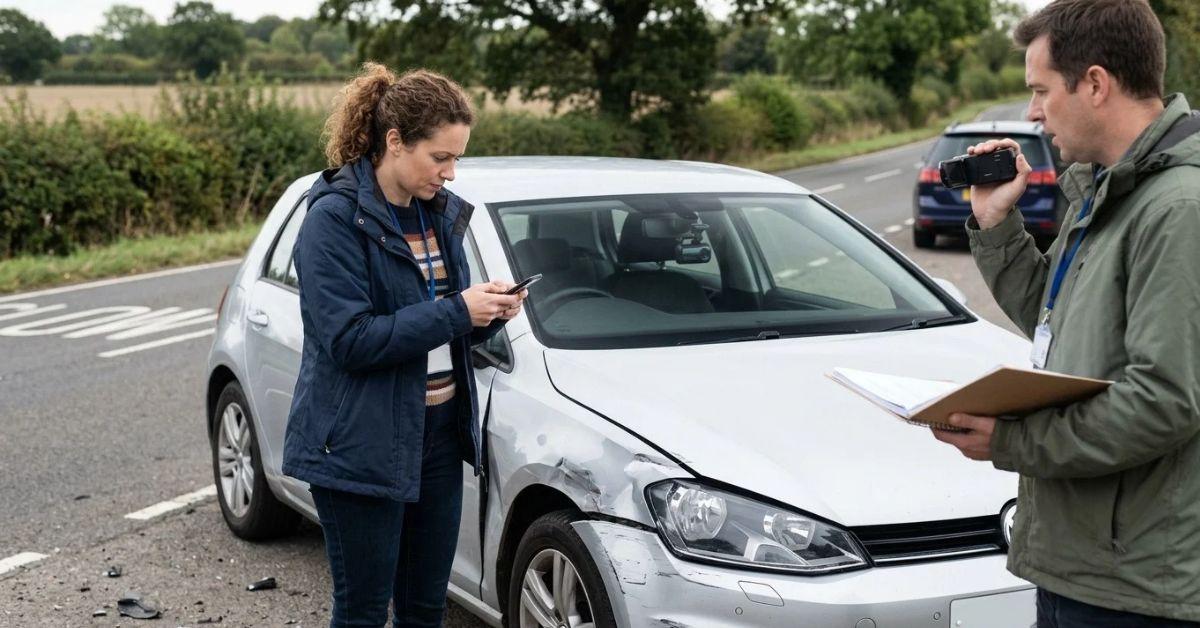
A hit and run can leave you dealing with vehicle damage, injuries and uncertainty about what to do next. When the other driver leaves without exchanging details, collecting reliable evidence becomes particularly important.
If you are considering a hit and run claim, evidence such as photographs, witness details, dashcam footage and police records can help establish what happened.
If you need support managing the practical and insurance-related aspects after the accident, a trusted accident management company can help you understand the next steps and handle the process more efficiently.
Why Is Evidence Important After a Hit and Run?
When the other driver cannot be identified or their details are unavailable, there may be no direct account from the other party. Evidence can therefore help establish the circumstances of the collision, identify the vehicle or driver where possible, and document any resulting injury or damage.
You should only collect evidence when it is safe to do so. If anyone is seriously injured or there is an immediate danger, prioritise safety and contact the appropriate emergency services.
10 Types of Evidence That Could Support Your Claim
1. Photographs and Videos of the Scene
If conditions are safe, photograph the accident location from several angles. Useful images may show the road layout, traffic signs, junctions, debris, skid marks and the position of vehicles.
A short video can also provide additional context that individual photographs may not capture.
2. Dashcam or CCTV Footage
Dashcam footage can be particularly useful because it may show the collision, the other vehicle and what happened immediately before or afterwards. If your dashcam records continuously, preserve the relevant file before it is automatically overwritten.
Nearby businesses, homes or other premises may also have CCTV covering the road. If you believe footage exists, make enquiries promptly because recordings may not be retained indefinitely.
3. Vehicle Registration Details
If you managed to note all or part of the other vehicle's registration number, record it accurately and as soon as possible.
Even partial information, combined with details such as the vehicle's make, model, colour or distinctive features, may be useful when reporting the incident.
4. Witness Details and Statements
Independent witnesses may have seen the collision, the other vehicle leaving the scene or details that you did not notice yourself.
Ask willing witnesses for their name and contact details. Avoid pressuring them about what they should say. Their own recollection can later provide an independent account of the incident.
5. Photographs of Your Vehicle Damage
Take clear photographs of all visible damage before repairs are carried out. Capture close-up images as well as wider photographs showing where the damage is located on the vehicle.
Different angles can help document the extent of the damage and provide a record for your insurer, repairer or other relevant parties.
6. Police Report or Incident Details
A hit and run should be reported to the police when the circumstances require it, particularly where you could not exchange details with the other driver or where an offence may have occurred.
Keep the reference number and any information provided to you. The police report can also form part of the evidence relating to what was reported and when.
7. Medical Records
If you have been injured, seek appropriate medical attention and keep records relating to your treatment. Medical notes, prescriptions, hospital documents and other relevant records can help establish the nature and timing of an injury.
Do not ignore symptoms simply because they were not immediately obvious after the collision. If you become unwell or concerned about an injury, seek medical advice.
8. MOT and Vehicle Documentation
Documents relating to your own vehicle can help establish its condition, history and details before the accident. Relevant records may include MOT information, service records, photographs and other maintenance documentation.
These records can be particularly useful when there is a dispute about whether particular damage resulted from the collision.
9. Repair Estimates and Receipts
Keep quotations, invoices and receipts relating to damage caused by the incident. These documents can help demonstrate the cost associated with inspecting, repairing or recovering the vehicle.
Before authorising significant repairs, check whether your insurer or another organisation handling the claim needs to inspect the vehicle first.
10. Your Own Account of the Incident
Write down what happened as soon as reasonably possible while the details are fresh in your memory. Include the date, time, location, weather and road conditions, direction of travel, what you saw, and what happened immediately after the collision.
Avoid guessing information you cannot remember. A clear distinction between what you directly observed and what you later learned can make your account more reliable.
What If You Don't Know Who Hit You?
Not knowing the identity or registration number of the other driver does not mean there is no evidence available. CCTV, dashcam recordings, witness accounts, photographs and vehicle damage may still help establish what happened.
In situations involving an untraced or uninsured driver, the Motor Insurers' Bureau (MIB) may have a role in handling a claim, depending on the circumstances and applicable rules. The evidence available can be important when establishing the circumstances of the accident.
How Should You Preserve Evidence?
Digital evidence should be saved promptly. Copy relevant dashcam files to another secure location and avoid editing the original footage. Keep original photographs and retain copies of emails, messages and other communications relating to the incident.
For physical documents, keep a dedicated record containing police information, medical documents, repair estimates, receipts and insurance correspondence.
Do not dispose of damaged vehicle parts or authorise major repairs before checking whether they may need to be inspected.
When Should You Report a Hit and Run?
Report the incident as soon as reasonably possible and follow the relevant police and insurance procedures. If the situation involves immediate danger or serious injury, emergency assistance should take priority.
You should also notify your insurer in accordance with your policy requirements, even if you are unsure whether you intend to make a claim. Provide factual information and keep a record of the information you submit.
Final Thoughts
Strong evidence can make it easier to establish what happened after a hit and run accident in the UK. Photographs, CCTV, dashcam footage, witness details, police information, medical records and repair documentation can each contribute to a clearer picture of the incident.
The most important principle is to prioritise safety first, report the collision appropriately and preserve relevant evidence as soon as possible.
Where the circumstances are complicated, particularly when the other driver cannot be identified or injuries are involved, obtaining appropriate professional guidance can help you understand the options available.

 Arabic
 French
 Spanish
 Portuguese
 Deutsch
 Turkish
 Dutch
Dutch
 Italiano
 Russian
 Romaian
 Portuguese (Brazil)