
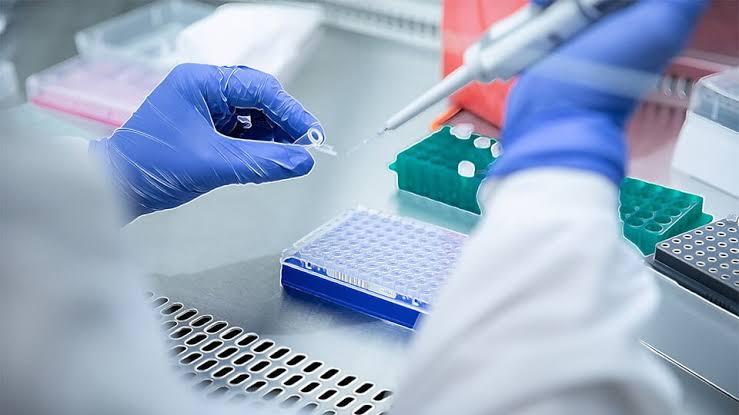
Accurate and timely diagnosis is one of the foundations of effective healthcare. In Nigeria, the growing burden of infectious and chronic diseases has increased the importance of in-vitro diagnostics (IVD) in supporting early disease detection, treatment planning, and patient monitoring. From routine laboratory testing to advanced molecular diagnostics, IVD technologies are becoming an essential component of the country's evolving healthcare ecosystem.
Healthcare providers are increasingly investing in modern laboratory capabilities to improve diagnostic accuracy and reduce delays in patient care. According to an analysis by MarkNtel Advisors, the Nigeria diagnostic testing landscape is projected to expand steadily during the 2026–2032 forecast period, reflecting growing demand for laboratory services, technological innovation, and stronger healthcare infrastructure. The study estimates the market will grow from USD 41.29 million in 2025 to USD 79.92 million by 2032, at a CAGR of around 9.89%.
The expanding role of diagnostics extends beyond hospitals. Diagnostic laboratories, point-of-care testing centers, research institutions, and community healthcare facilities are increasingly adopting modern testing solutions to improve disease surveillance and clinical decision-making. These developments are helping healthcare professionals deliver faster diagnoses while improving overall patient outcomes.
Increasing Disease Burden Is Driving Diagnostic Demand
Nigeria continues to face significant healthcare challenges associated with infectious diseases such as malaria, HIV/AIDS, tuberculosis, hepatitis, and Lassa fever. At the same time, the prevalence of chronic conditions including diabetes, cardiovascular diseases, kidney disorders, and cancer continues to rise. These factors have substantially increased the demand for reliable diagnostic testing across healthcare facilities.
Laboratory testing enables clinicians to identify diseases at earlier stages, monitor treatment effectiveness, and reduce unnecessary medical interventions. As diagnostic capabilities improve, healthcare systems become better equipped to respond to both routine clinical needs and emerging public health challenges.
Technological Advancements Are Improving Laboratory Efficiency
Modern diagnostic laboratories are increasingly incorporating automation, molecular diagnostics, digital pathology, and artificial intelligence into their workflows. These technologies reduce manual errors, improve testing consistency, and shorten turnaround times for clinical results.
Artificial intelligence is also beginning to support laboratory professionals by assisting with result interpretation, identifying abnormal findings, and improving workflow management. Such innovations are particularly valuable in environments where laboratories process large testing volumes with limited specialist resources.
Reagents and Test Kits Continue to Lead Adoption
Among various product categories, reagents and diagnostic kits remain central to laboratory operations because they are consumed continuously across routine clinical testing. Screening programs for infectious diseases, maternal healthcare, blood safety, and chronic disease management all require a consistent supply of diagnostic reagents and rapid testing kits.
The increasing use of molecular testing, immunoassays, clinical chemistry, microbiological diagnostics, and hematology testing has further strengthened demand for consumable diagnostic products throughout healthcare facilities across Nigeria.
Growing Local Manufacturing Supports Healthcare Resilience
One of the notable developments within Nigeria's healthcare sector is the increasing focus on domestic production of diagnostic products. Local manufacturing can reduce dependence on imported diagnostic supplies, improve product availability, and strengthen national preparedness during disease outbreaks.
Greater domestic production may also improve supply chain stability while supporting healthcare affordability over the long term. Combined with strategic investments from international diagnostic companies, these developments are expected to improve access to advanced diagnostic technologies across the country.
Infrastructure Challenges Still Require Attention
Despite positive developments, several challenges continue to affect the broader adoption of advanced diagnostic technologies. Many healthcare facilities still face infrastructure limitations, including inconsistent electricity supply, insufficient laboratory equipment, limited cold-chain capabilities, and shortages of trained laboratory personnel.
In addition, reliance on imported diagnostic equipment and consumables exposes healthcare providers to currency fluctuations and global supply chain disruptions. Addressing these structural challenges will remain important for improving nationwide access to reliable laboratory services.
Future Outlook
The future of Nigeria's healthcare system will increasingly depend on accessible, accurate, and technology-enabled diagnostic services. Continued investment in laboratory modernization, workforce development, digital healthcare, and local manufacturing is expected to strengthen the country's diagnostic capabilities while supporting improved disease management.
As healthcare providers continue to prioritize early diagnosis and preventive care, in-vitro diagnostics will play an increasingly important role in enhancing clinical decision-making and improving patient outcomes across Nigeria. The continued evolution of laboratory technologies is likely to contribute to a more efficient and resilient healthcare system capable of addressing both current and future healthcare needs.

 Arabic
 French
 Spanish
 Portuguese
 Deutsch
 Turkish
 Dutch
Dutch
 Italiano
 Russian
 Romaian
 Portuguese (Brazil)