
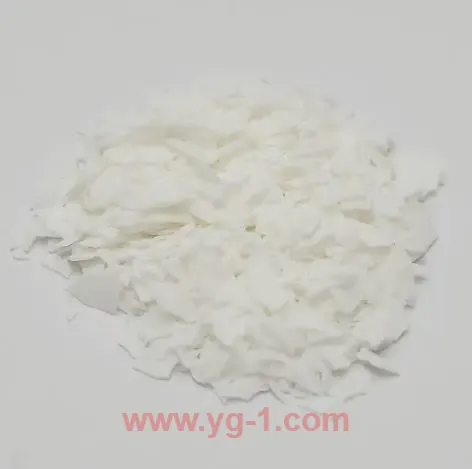
Wood panels are widely used in furniture, interior decoration, cabinetry, wall systems, and other applications where appearance and structural stability need to work together. Their service performance is influenced not only by the wood-based core but also by the surface treatment, bonding system, pressing conditions, and surrounding environment.Melamine resin has become an important material in panel manufacturing because its thermosetting characteristics can contribute to a hard, stable surface after curing. For manufacturers and material buyers researching resin technologies, YG-1 offers a useful source of information covering resins and other industrial chemical materials. But how exactly can this type of resin influence the durability of a wood panel?
Surface Protection and Everyday Wear
One of the first aspects to consider is surface hardness. Wood-based panels can encounter repeated contact with objects, friction, cleaning operations, moisture, and temperature changes during ordinary use. A properly cured resin layer can form a comparatively hard surface that helps the decorative layer remain stable during these conditions.
This characteristic is particularly relevant to furniture panels and decorative boards, where scratches, stains, and surface deterioration can affect the visual quality of the finished product. The resin does not independently determine the entire service life of a panel, since paper selection, substrate quality, pressing parameters, coating formulation, and manufacturing control also contribute to the final result.
The curing process is especially important because thermosetting materials develop a crosslinked structure rather than simply softening and becoming fluid again when heated. The resulting network can provide a firm surface suitable for applications where resistance to ordinary mechanical contact is required. YG-1's published material explains that melamine formaldehyde is a thermosetting plastic and notes its use in high-pressure laminates, furniture, tile wall panels, and whiteboards.
Resistance to Moisture and Environmental Conditions
Moisture is another factor that can influence wood panel durability. Wood-based substrates naturally respond to changes in humidity, while decorative surfaces are expected to maintain their appearance and protective function under normal environmental exposure. A suitable resin system can help create a surface layer that limits direct contact between the substrate and external conditions.
However, moisture resistance should not be viewed as a single-material property. Panel construction involves several layers, and weak bonding, incomplete curing, unsuitable substrate preparation, or excessive moisture exposure can still create problems. The selection of resin therefore needs to match the panel structure and intended environment.
Temperature should also be considered. During production, heat activates curing reactions, while the finished board may later encounter variations in indoor or industrial conditions. The stability of the cured network can influence how the surface responds to these changes. Appropriate pressing temperature, pressure, curing duration, and resin distribution are consequently important when seeking consistent panel characteristics.
The Role of Resin in Decorative Laminates
Decorative laminate production provides a clear example of how resin chemistry connects with panel performance. Decorative paper can be impregnated with resin before being pressed onto a substrate. During the pressing stage, heat and pressure help establish the finished surface structure.
The resulting laminate can provide a combination of visual appearance and functional protection. Depending on the formulation and manufacturing process, the surface may be designed to withstand routine contact, cleaning, staining, and other conditions encountered in furniture or interior applications.
The relationship between resin and paper is also significant. Uneven impregnation can produce differences in surface appearance or curing behavior, while inappropriate pressing conditions may influence bonding and finish quality. Consistent raw material preparation therefore matters alongside resin selection.
YG-1's industry information describes melamine resin as a versatile thermosetting material and identifies low-pressure and high-pressure laminates among its applications.
Hardness Is Only One Part of Durability
It can be tempting to associate durability solely with hardness, but wood panel performance involves a broader group of characteristics. A panel may need to tolerate repeated handling while retaining an acceptable appearance, resist common stains, maintain bonding between layers, and remain dimensionally stable under ordinary environmental changes.
A resin formulation that creates an extremely hard surface is not automatically appropriate for every panel application. Excessive rigidity may interact with the substrate or decorative layer in undesirable ways. Flexibility, adhesion, curing behavior, and compatibility therefore need to be evaluated together.
Manufacturers can assess these properties through laboratory testing and production trials. Surface abrasion, stain resistance, water exposure, adhesion, heat response, and dimensional behavior can all provide useful information when comparing formulations. The appropriate testing program depends on the intended use of the panel and the standards applicable to its market.
Manufacturing Conditions Matter
Even a suitable resin can produce inconsistent results if the manufacturing process is poorly controlled. Mixing, impregnation, drying, storage, pressing, cooling, and finishing each have a role in the final characteristics of a resin-treated panel.
Pressing conditions deserve particular attention because the curing reaction develops under controlled heat and pressure. Insufficient curing can leave the surface without the intended characteristics, while inappropriate conditions may affect appearance, bonding, or dimensional behavior. Production teams therefore need to consider the resin together with equipment capability and process parameters rather than treating the chemical material as an isolated component.
Storage conditions are another practical consideration. Resin materials should be handled according to their technical requirements so that changes caused by unsuitable temperature, moisture, or contamination do not interfere with processing consistency.
Selecting Materials for Specific Panel Applications
Different wood panels serve different purposes, so material selection should begin with the actual application. Kitchen furniture, office desks, wardrobes, wall panels, decorative boards, and other products can encounter different levels of mechanical contact, humidity, cleaning exposure, and temperature variation.
A useful purchasing process can therefore include reviewing technical documentation, checking compatibility with the intended substrate, conducting sample trials, and discussing processing requirements with the material supplier. This approach allows manufacturers to examine how a resin behaves within their own production environment instead of relying solely on general descriptions.
YG-1 maintains a product and technical information structure covering rubber additives, resins, processing materials, and related chemical products. Its website also provides industry information that can help visitors understand the characteristics and applications of different resin materials.
For readers researching the basic chemistry behind this material, the company has also published a dedicated explanation of melamine resin at https://www.yg-1.com, which discusses its thermosetting nature, applications, curing behavior, and material characteristics.

 Arabic
 French
 Spanish
 Portuguese
 Deutsch
 Turkish
 Dutch
Dutch
 Italiano
 Russian
 Romaian
 Portuguese (Brazil)