
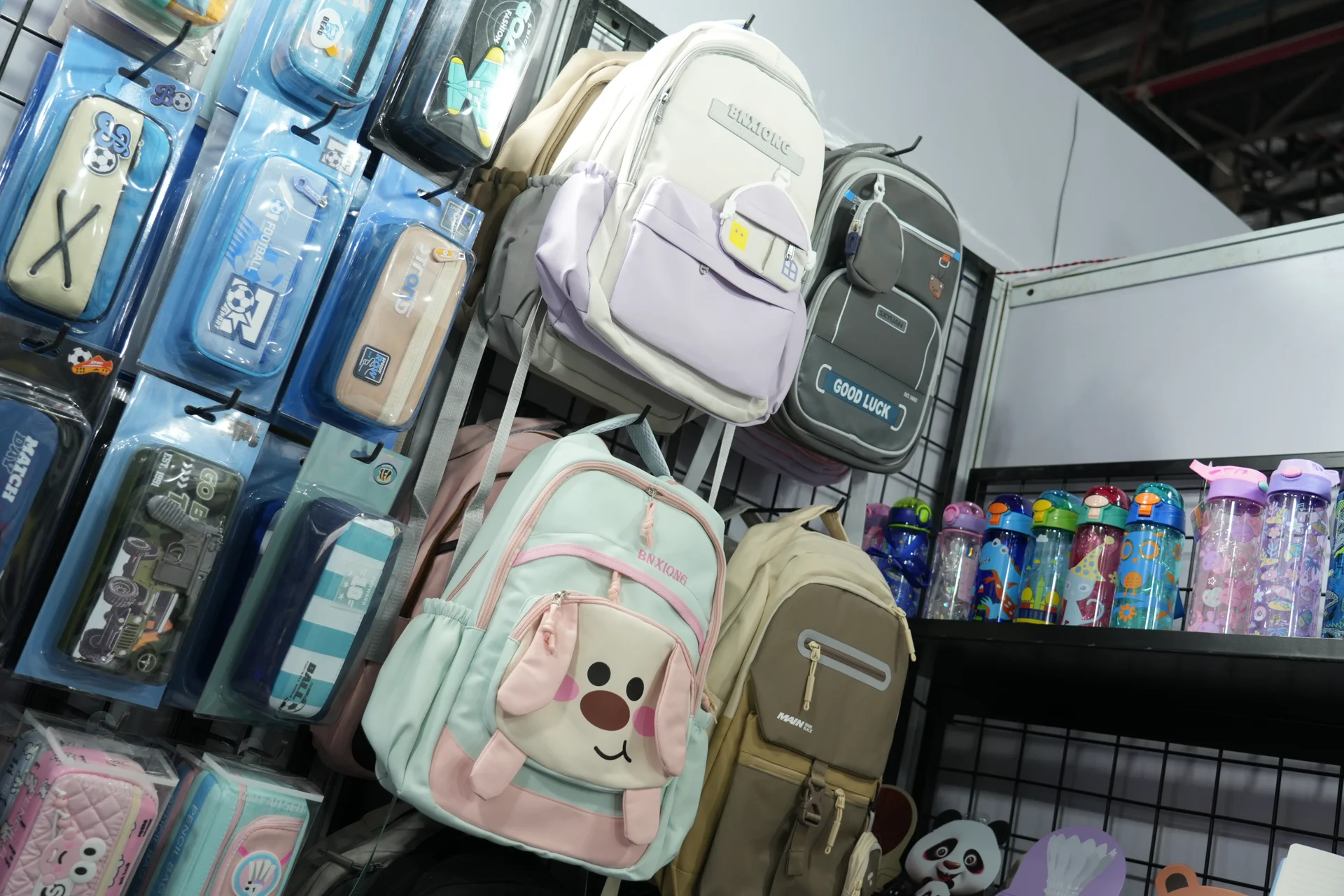
The stationery industry is changing as businesses respond to new customer expectations, evolving workplace practices, creative interests, and developments in product design. Products that were once viewed as simple everyday essentials have increasingly become part of broader lifestyle, education, workplace, and creative experiences. This transformation is creating new opportunities while also requiring businesses to stay aware of what is happening across the market.
For manufacturers, suppliers, distributors, retailers, and professional buyers, understanding these changes is important when making decisions about products and sourcing. Industry events offer a practical environment for gaining this knowledge because they bring different parts of the stationery ecosystem together. A paper expo, for example, can provide access to new products, suppliers, industry conversations, and market perspectives in one professional setting.
Why Stationery Trends Are Changing
Several factors are influencing the direction of the stationery market. Consumers are becoming more interested in products that combine usefulness with attractive design and personal expression. Educational environments are also creating demand for products that support creativity and engaging learning experiences.
Workplaces have their own changing requirements. Modern offices may look for stationery and organisational products that support flexible working environments, productivity, presentation, and professional branding. Meanwhile, the popularity of creative hobbies has expanded interest in art materials, DIY products, craft supplies, and speciality stationery.
Sustainability is another consideration influencing product development. Businesses are exploring recycled materials, reusable formats, environmentally conscious packaging, and alternative production approaches to respond to changing expectations.
Because these influences are developing simultaneously, industry participants need opportunities to observe different areas of the market rather than focusing on one product category alone.
Exhibitions as Market-Discovery Platforms
Trade exhibitions provide an environment where businesses can examine current products and identify emerging ideas. Visitors can move between different categories, compare offerings, and speak directly with companies involved in manufacturing and distribution.
This can be especially useful for buyers who want to expand their product ranges. A retailer concentrating on traditional stationery may discover opportunities in creative products, educational materials, premium writing instruments, or workplace solutions.
A paper expo also gives businesses an opportunity to observe how companies present new products and respond to market expectations. Displays, demonstrations, product launches, and conversations with exhibitors can provide useful information about developments that may not yet be widely visible through conventional retail channels.
Direct Interaction With Suppliers
Finding reliable suppliers is an important part of managing a stationery business. Online research can help companies identify potential suppliers, but direct interaction can provide additional information about products and capabilities.
At an industry event, buyers can ask questions about materials, product specifications, manufacturing capacity, packaging, customisation, minimum order requirements, and distribution possibilities. These conversations can help buyers determine whether a supplier is relevant to their specific needs.
For suppliers, direct discussions offer equally valuable insights. Instead of relying only on market assumptions, manufacturers can hear directly from distributors, retailers, and professional buyers about their requirements.
This two-way interaction can help both sides identify areas where products or services could be improved.
Discovering Products Beyond Familiar Categories
Businesses sometimes concentrate heavily on established product categories because these are already familiar to their customers. However, changing consumer behaviour can create opportunities in related segments.
Industry exhibitions encourage participants to explore beyond their usual purchasing patterns. A stationery distributor might discover creative lifestyle products, while an office-supply buyer could find products suitable for educational institutions or corporate gifting.
This broader product exposure can help businesses identify complementary categories. Adding relevant products to an existing portfolio can provide opportunities to serve customers more comprehensively without moving too far away from the company's core market.
For this reason, exhibitions can be useful not only for immediate sourcing but also for longer-term product planning.
Learning Through Industry Conversations
Exhibitions are not only about displaying products. They can also function as knowledge-sharing environments where professionals discuss market developments and business challenges.
Presentations, panel discussions, demonstrations, and product launches can introduce visitors to different perspectives on the industry. These sessions may cover subjects such as changing consumer preferences, sustainability, product innovation, retail developments, and new approaches to business.
Learning directly from professionals working within the sector can help companies consider developments from multiple perspectives. Rather than relying on isolated market observations, participants can gather information through conversations with several businesses and industry stakeholders.
This makes industry events useful for companies that want to combine product research with broader market understanding.
Building Stronger Business Networks
Business relationships play an important role in the stationery supply chain. Manufacturers depend on distributors and retailers, while buyers need dependable suppliers who can meet their quality, quantity, and delivery requirements.
Trade events create opportunities to develop these relationships in person. A short conversation at an exhibition can become a follow-up meeting, product sample request, commercial discussion, or long-term business relationship.
Networking can also introduce companies to professionals outside their immediate business circle. Participants may meet potential distribution partners, sourcing contacts, service providers, or complementary businesses that could contribute to future projects.
A paper expo can therefore act as a meeting point where different parts of the industry can communicate and explore common opportunities.
The Growing Role of Creative Products
Creative products have become an increasingly visible part of the stationery landscape. Art materials, craft products, DIY kits, decorative stationery, and creative learning resources appeal to schools, families, hobbyists, artists, and professionals.
This expansion gives businesses more opportunities to serve specialised audiences. It also means companies need to understand the differences between traditional stationery demand and creative product demand.
Industry events can help businesses evaluate these categories directly. By examining product ranges and discussing market requirements with suppliers, buyers can better understand which categories may complement their existing offerings.
The result can be a more diverse and adaptable product strategy.
Sustainability and Responsible Product Development
Environmental considerations are influencing purchasing decisions across many industries, and stationery is no exception. Buyers may increasingly examine materials, packaging, product durability, and manufacturing practices when evaluating products.
For manufacturers, this creates an incentive to investigate alternative materials and more responsible approaches to product development. For retailers and distributors, it creates a need to understand how sustainability claims relate to actual product characteristics.
Industry exhibitions can make these developments easier to explore because businesses can compare different solutions and ask suppliers specific questions. Seeing products directly can also help buyers evaluate design and material choices more effectively than simply viewing photographs online.
Turning Exhibition Insights Into Business Action
Attending an industry event is only the first step. Businesses can gain more value by documenting useful contacts, recording product information, identifying interesting categories, and following up after the event.
Buyers can create shortlists of suppliers based on their specific requirements. Manufacturers can review visitor feedback and identify recurring questions or areas of interest. Distributors can assess whether newly discovered products fit their target markets.
Following up promptly can turn exhibition conversations into practical business opportunities. At the same time, the information collected during the event can support future purchasing, product development, and marketing decisions.
Preparing for a More Dynamic Stationery Market
The stationery industry is likely to continue evolving as consumer preferences, technology, sustainability concerns, education, workplace practices, and creative interests influence purchasing behaviour.
Businesses that regularly monitor these developments can make more informed decisions about their products and partnerships. Industry events provide one channel for gaining this understanding by combining product discovery, professional networking, knowledge exchange, and direct market interaction.
A paper expo can be particularly valuable when participants approach it with clear objectives. Instead of simply walking through exhibition displays, businesses can use the opportunity to investigate new categories, compare suppliers, ask questions, gather market insights, and develop relationships that may support future plans.
About Paperworld Delhi
Paperworld Delhi is a B2B platform serving the stationery, office supplies, paper, arts and crafts, and creative lifestyle industries. The show brings together manufacturers, brands, suppliers, distributors, and focused buyers to explore products and business opportunities across categories including writing instruments, DIY kits, arts and crafts, back-to-office products, creative lifestyle solutions, and gifting. Co-located with Gifts World Expo, the event also supports cross-category sourcing and networking. Through product showcases, professional interactions, demonstrations, launches, and industry discussions, Paperworld Delhi provides a dedicated environment for businesses to discover developments and connect with stakeholders across the evolving stationery and creative products market.

 Arabic
 French
 Spanish
 Portuguese
 Deutsch
 Turkish
 Dutch
Dutch
 Italiano
 Russian
 Romaian
 Portuguese (Brazil)