
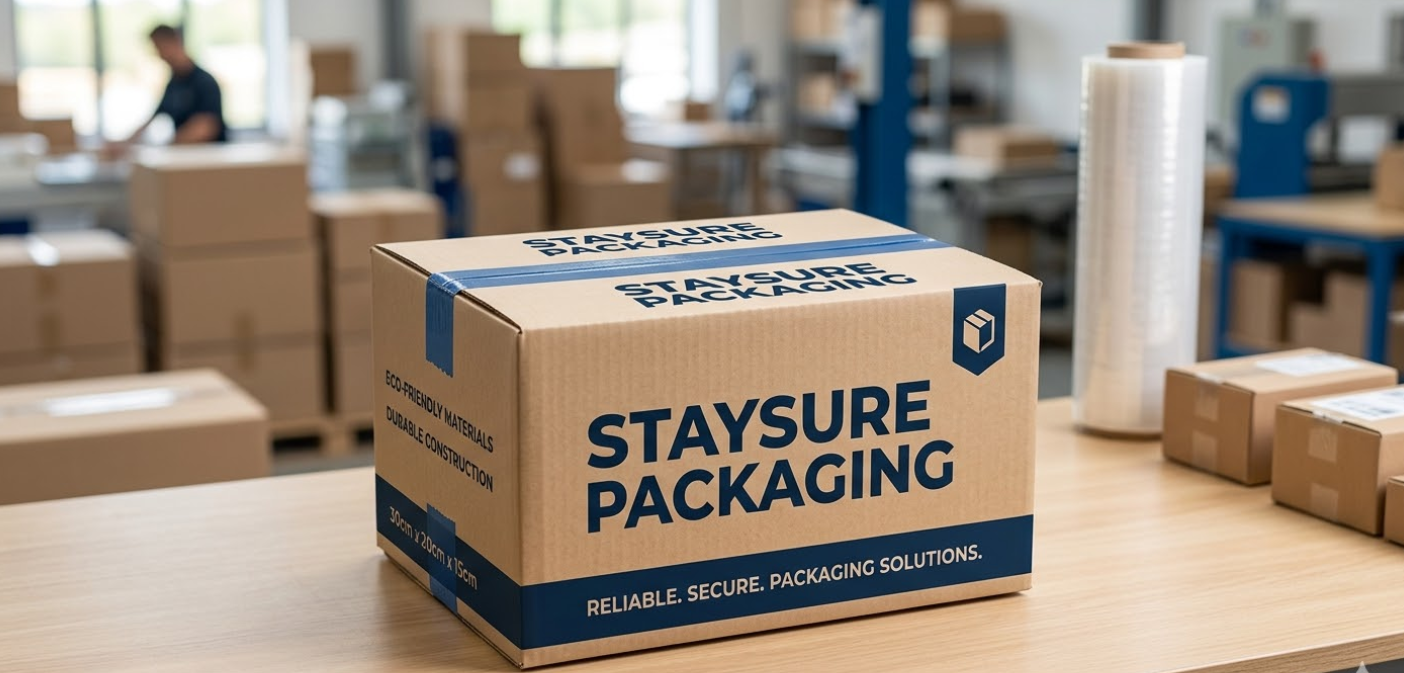
Packaging can make or break a brand. The right packaging protects products, communicates value, and creates a memorable unboxing moment. This guide helps you plan, source, and manage custom packaging that scales with your business.
You’ll see practical steps, real-world tips, and a straightforward checklist you can use with suppliers. If you’re aiming for a polished, consistent look across channels, you’re in the right place.
Assessing Your Packaging Needs
Define goals like protection, presentation, sustainability, and cost. Start with the product types you ship and their sizes. This helps you pick boxes, inserts, and finishes that fit without waste.
Look at current packaging pain points. Are items damaged in transit? Is the brand voice coming through in the packaging? Identify opportunities to simplify steps from order to unboxing.
Types of Custom Packaging Options
Custom boxes and folding cartons give you strong visuals with flexible sizes. They work well for most consumer goods and provide a good surface for branding.
Rigid boxes and premium packaging elevate the perceived value. They’re ideal for gifts, luxury items, and limited editions.
Corrugated and mailer boxes are sturdy, cost-effective, and good for e‑commerce. They protect during shipping and can be printed with strong brand cues.
Bags and sleeves offer lightweight options for apparel and accessories. They’re quick to produce and easy to personalize.
Labels, inserts, and printed tissue tie the whole experience together. They communicate care, usage instructions, and brand story in a subtle way.
Sustainable and recyclable materials help you meet growing demand for responsible packaging. Clear labeling about recyclability builds trust with customers.
Key Materials and Finishes
Coatings, lamination, and print techniques affect durability and look. Choose finishes that resist scuffing while keeping colors true.
Paper grades and thicknesses influence feel and protection. Heavier stock feels premium; lighter stock can be great for eco-friendly aims.
Inks and color management matter for consistency across lots. Work with vendors who can match Pantone or brand colors closely.
Eco-friendly options and certifications give customers confidence. Look for FSC, PEFC, and compostability labels when relevant.
Sourcing and Supplier Selection
Find packaging manufacturers and converters through industry networks, trade shows, and referrals. Ask for a clear capabilities list and recent client references.
Evaluate suppliers by capabilities, lead times, and minimums. Request a sample kit that shows print quality, color accuracy, and material feel.
Requesting samples and evaluating quality is essential. Check for dimensional accuracy and how finishes hold up under handling.
Design Considerations for Custom Packaging
Branding alignment matters. Ensure logos, colors, and typography stay consistent with your other assets.
Functionality is key. Consider stacking stability, protection during transit, and ease of opening for a good user experience.
Aim for a recognizable unboxing experience. A memorable reveal helps with social sharing and repeat purchases.
Accessibility and readability should come first. Use legible typography and clear instructions on how to open and use the product.
bespoke packaging solutions help brands align packaging with core values, from design to delivery. The right partner can translate your brand story into every detail of the box.
Pricing and Budgeting
Quotes break down setup fees, unit costs, and tooling. Understand where each line item comes from to compare apples to apples.
Look for cost-saving opportunities without cutting quality. Consider tiered pricing, standard sizes, and shared tooling across SKUs.
Know the total cost of ownership. Include replacements, storage, and potential returns due to packaging issues.
Prototyping, Testing, and Iteration
Produce physical proofs and digital mockups to catch issues early. A tangible sample often reveals fit problems you miss on screen.
Run functional tests like drop, compression, and moisture resistance. These checks protect both product and brand reputation.
Check compliance and regulatory requirements that apply to materials, labels, and packaging claims.
Production Planning and Lead Times
Sketch a realistic project timeline with milestones for proofs, approvals, and mass production. Build in buffers for revisions.
Manage revisions and approvals with a clear review process. Keep stakeholders aligned to avoid delays.
Coordinate packaging launches with marketing calendars. A synchronized rollout boosts impact and avoids stockouts.
Environmental and Sustainability Considerations
Assess recyclability, compostability, and recycled content. Communicate these attributes clearly to customers.
Minimize waste in production and fulfillment. Opt for right-sized packaging and efficient nesting in the dieline.
Share sustainability stories with customers. A transparent narrative builds trust and loyalty.
Integration with Fulfillment and Ecommerce
Plan packaging for retail, D2C, and subscription boxes. Each channel has its own constraints and opportunities.
Consider dimensional weight and shipping efficiency. Lighter, compact designs can reduce costs and emissions.
Labeling and barcoding requirements should align with your logistics and ERP systems. Poor labeling slows receipts and returns.
Quality Assurance and Receiving Procedures
Set QC checkpoints and acceptance criteria. A simple, repeatable process keeps quality consistent.
Handle discrepancies and returns from packaging suppliers calmly. Have a simple remedy path and documentation.
Build long-term supplier relationships. Regular feedback helps both sides improve over time.
Case Studies and Real-World Examples
A small business rebranded with a packaging refresh and saw a lift in repeat orders. The new look reinforced product quality and trust.
Seasonal campaigns reward attention with limited-edition packaging. The extra effort created urgency and social buzz.
E-commerce optimization through packaging design cut damage rates and improved unpacking experiences for customers.
Step-by-Step Action Plan
- Define objectives and constraints.
- Gather product specs and packaging requirements.
- Request quotes and samples.
- Test and select a supplier.
- Approve design and finalize specs.
- Launch production and monitor performance.
Common Pitfalls to Avoid
Overlooking scalability and storage needs leads to reorders and delays. Plan for growth from the start.
Neglecting compatibility with shipping carriers forces ad hoc changes. Know the carrier rules early.
Underestimating the cost of returns and exchanges can eat into margins. Build sturdy packaging that minimizes damage.
Resources and Next Steps
Checklists for quotes and proofs keep conversations focused. Use them to stay aligned with suppliers.
Recommended questions for suppliers help you uncover capabilities and limits. A good shortlist saves time.
Tools and templates for packaging briefs speed up the process. Clear briefs reduce back-and-forth and errors.
FAQs
What makes custom packaging worth the investment?
Custom packaging signals quality and care. It also helps protect items and create a memorable unboxing experience that prompts repeat purchases.
How do I start evaluating packaging suppliers?
Ask about capabilities, lead times, and minimums. Request samples and look for consistent color, fit, and finish across items.
What should I include in a packaging brief?
Product specs, target audience, preferred materials, finishes, and any regulatory or labeling requirements belong in the brief. Add timeline and budget guidance as well.
How can packaging affect shipping costs?
Well-sized packaging reduces dimensional weight. Light, sturdy materials save space and weight, lowering rates and emissions.
What sustainability labels should I look for?
Look for FSC or PEFC certification, recyclability guidance, and compostability claims where applicable. Clear labeling helps customers make informed choices.

 English
 French
 Spanish
 Portuguese
 Deutsch
 Turkish
 Dutch
Dutch
 Italiano
 Russian
 Romaian
 Portuguese (Brazil)