
Introduction
Project management can feel overwhelming when deadlines pile up, teams pull in different directions, and scope starts to creep. Many professionals search for practical guidance that cuts through theory and delivers real results. In the middle of that search sits genuine Project Management Help that focuses on actionable habits rather than abstract frameworks. The fifteen tips below have been tested across industries and consistently improve delivery, reduce stress, and keep stakeholders aligned.
1. Define Success Before You Start
Clear success criteria prevent endless debates later. Write a short statement that answers three questions: What does “done” look like? How will we measure it? Who decides it is acceptable? Share this statement with the team and key stakeholders in the kickoff meeting. When everyone agrees on the finish line, daily decisions become simpler and scope arguments lose their power.
2. Break Work into Visible Chunks
Large goals create anxiety and hide progress. Split the project into work packages that can be completed in one to two weeks. Each package should have a clear owner, a tangible deliverable, and acceptance criteria. Visual boards or simple lists make these chunks public so the team sees momentum instead of an endless mountain of tasks.
3. Protect Focus Time Ruthlessly
Context switching is one of the biggest silent killers of productivity. Block two- to three-hour focus periods on the calendar for deep work and treat them as non-negotiable meetings. During these blocks, silence notifications and decline non-urgent interruptions. Teams that protect focus time routinely finish complex tasks faster and with fewer defects.
4. Hold Short, Structured Stand-Ups
Daily check-ins work only when they stay short and purposeful. Limit them to fifteen minutes and three questions: What did I complete yesterday? What will I complete today? What is blocking me? Any issue that needs discussion moves to a separate conversation after the stand-up. This rhythm surfaces blockers early without turning the meeting into a status lecture.
5. Track Risks Actively, Not Passively
A risk register that sits untouched is useless. Review the top five risks every week and assign an owner who must report mitigation progress. When a risk materialises, treat it as a decision point rather than a surprise. Proactive risk conversations turn potential disasters into manageable adjustments.
6. Communicate Progress in One Page
Stakeholders rarely need a twenty-slide deck. Create a one-page status update that shows overall health (green/yellow/red), key accomplishments, upcoming milestones, open issues, and decisions needed. Send it on a fixed cadence. Consistency builds trust faster than occasional long reports.
7. Negotiate Scope Changes Explicitly
Scope creep rarely arrives as a formal request. When new work appears, document the impact on timeline, cost, and quality, then ask the requester to choose: add the work and extend the deadline, replace existing work, or drop the new request. Making the trade-off visible stops silent expansion.
8. Assign Clear Ownership
Ambiguity about who owns a task is a common source of delay. For every deliverable, name a single accountable person. Shared ownership often becomes no ownership. When responsibility is clear, follow-up becomes straightforward and people take pride in closing their items.
9. Use Simple Visual Tools
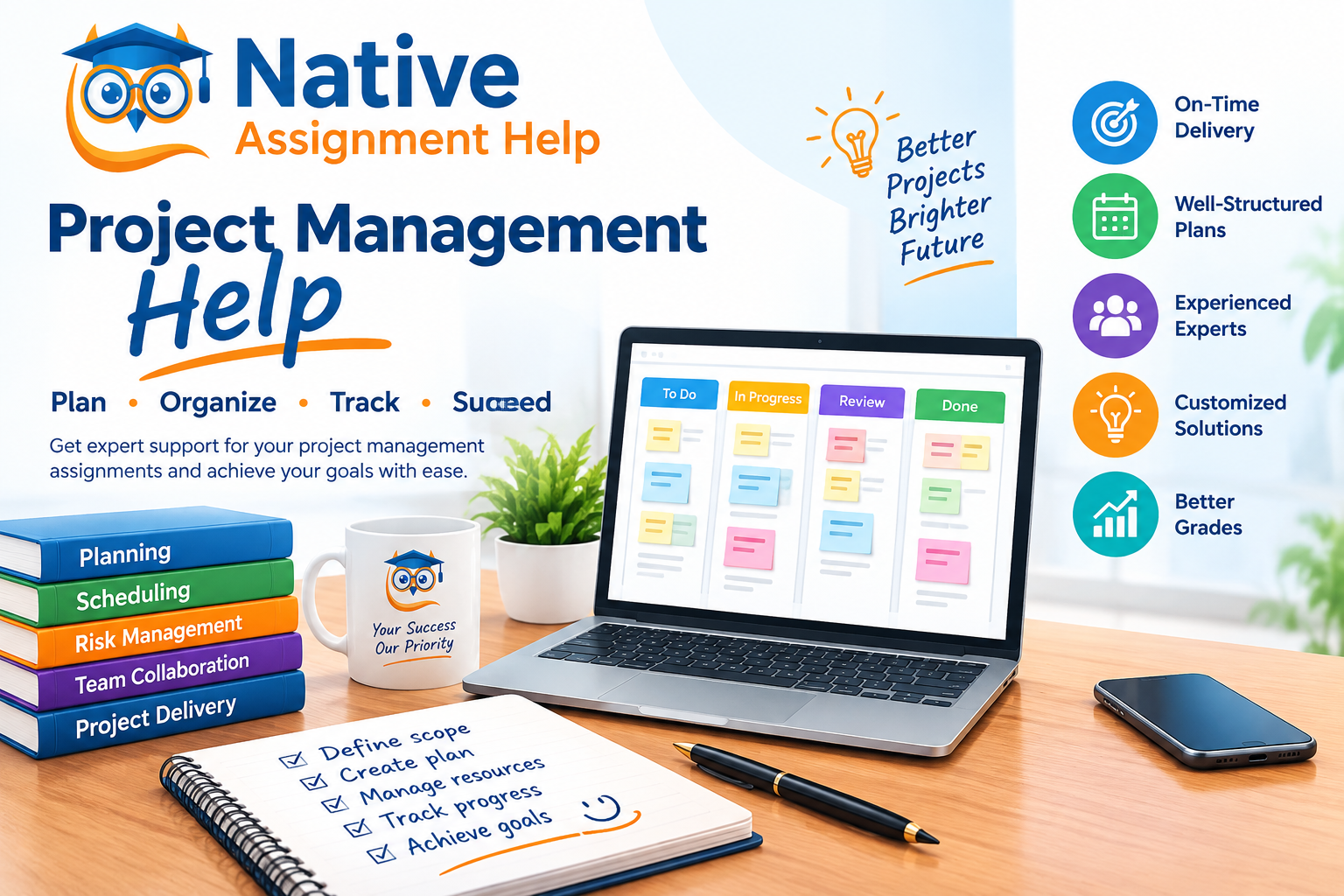
Complex software is not required for good visibility. A physical or digital board that shows work in three columns—To Do, Doing, Done—gives the team an immediate picture of flow. Add WIP limits so that too many tasks do not pile up in “Doing.” Visual management reduces the need for constant status questions.
10. Schedule Buffer for the Unexpected
Optimism bias leads teams to plan as if nothing will go wrong. Build explicit buffer into the schedule for unknowns, rework, and external delays. A common practice is to protect 15–20 percent of the timeline as contingency. When the buffer is planned rather than hoped for, surprises stop derailing the entire plan.
11. Run Short Retrospectives Frequently
Waiting until the end of a long project to reflect wastes learning. After every major milestone or every two weeks, spend thirty minutes asking: What went well? What should we change? What will we try next? Capture one or two concrete improvements and assign owners. Small, repeated adjustments compound into large gains.
12. Manage Energy, Not Just Time
Project work is intense. Watch for signs of team fatigue—missed details, rising tension, declining quality—and respond early. Rotate high-pressure roles when possible, celebrate small wins publicly, and protect weekends and evenings unless a genuine crisis exists. Sustainable pace outperforms heroic sprints that leave people burned out.
13. Align Stakeholders Early and Often
Misaligned expectations create last-minute chaos. Map the key stakeholders, understand what each cares about most, and schedule brief alignment conversations before major decisions. A five-minute call that surfaces a concern early is far cheaper than a week of rework later.
14. Document Decisions, Not Just Tasks
People forget why a choice was made. Keep a lightweight decision log that records the date, the decision, the options considered, and the rationale. When questions arise months later, the log prevents re-litigating settled issues and helps new team members understand the context quickly.
15. Close Projects Properly
Many teams rush from one project to the next without capturing lessons or celebrating completion. Hold a short close-out meeting that reviews final results against original goals, archives key documents, and thanks contributors. Formal closure creates psychological closure and leaves the organisation stronger for the next effort.
These fifteen practices do not require expensive tools or lengthy certifications. They require discipline, clarity, and consistent attention to how work actually gets done. Teams that adopt even a handful of them typically report fewer surprises, better collaboration, and higher delivery confidence. Start with the one or two that address your biggest current pain point, make them habitual, then layer on the rest. Over time the compound effect turns project management from a source of stress into a reliable system for getting important work finished.

 Arabic
 French
 Spanish
 Portuguese
 Deutsch
 Turkish
 Dutch
Dutch
 Italiano
 Russian
 Romaian
 Portuguese (Brazil)