
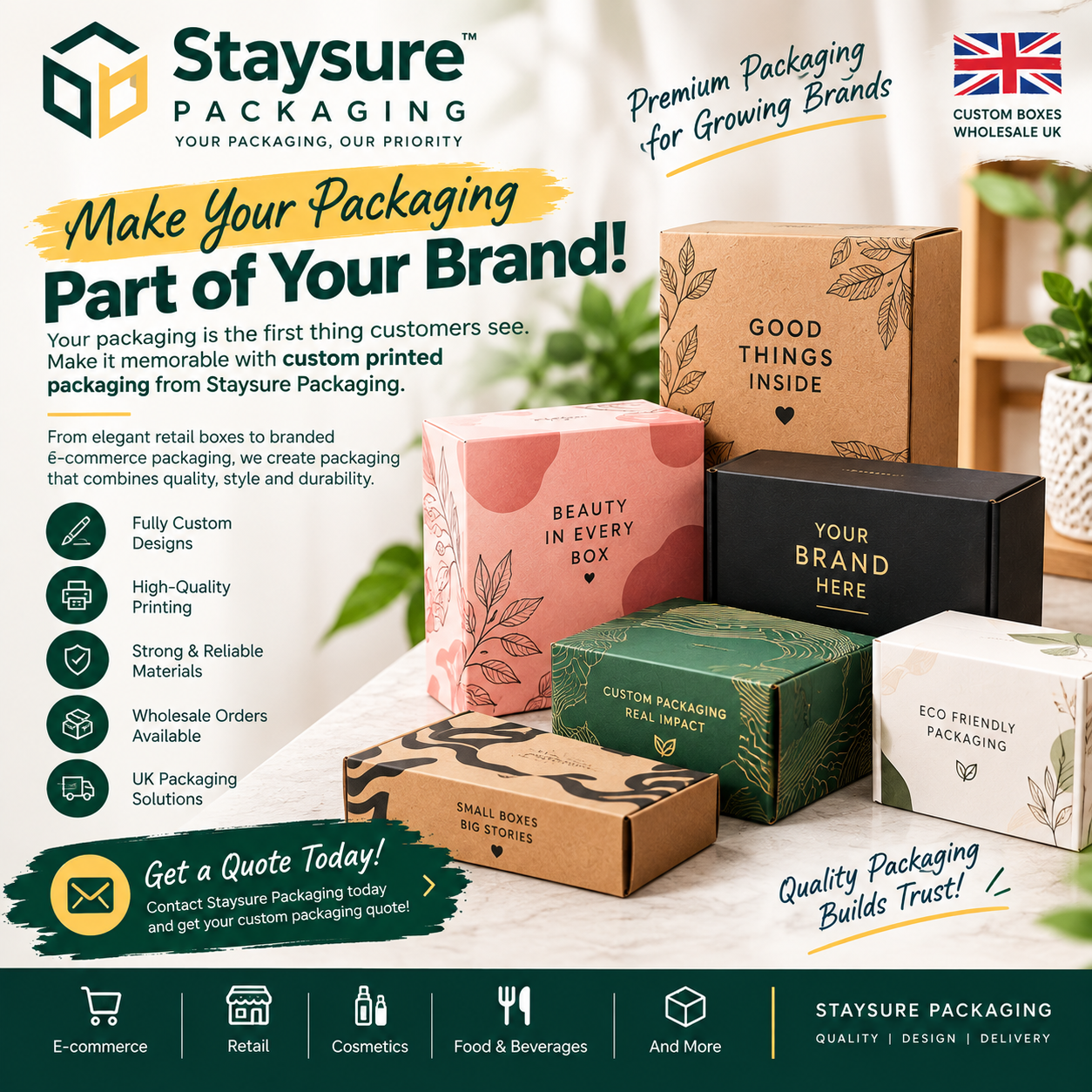
Your packaging choice speaks before any words are read. The box size you pick can influence shipping costs, product safety, and the unboxing moment. When you match a box to your product, you’re not just wrapping a item—you’re shaping the customer’s first impression. A smartly sized box reduces waste and lowers stray contents during transit, making both buyers and warehouse teams happier.
In practice, the right dimensions cut returns, speed up handling, and present your product in a clean, professional way. The result is fewer damage incidents and a smoother path from warehouse to doorstep. Below, you’ll find a practical guide to sizing that fits real workflows and real products. For brands exploring options, consider custom-sized packaging boxes that align with your needs.
Understanding Your Product Dimensions
Start with accurate measurements. Measure length, width, and height of the product itself. Use a rigid ruler or a tape you can flush against edges to capture true numbers. Record these values in inches or millimeters, whichever your team uses most often.
Include protective padding and inserts in your planning. Bubble wrap, foam, or paper fillers add thickness and affect the final box size. If you’ll add dividers for multiple items, note their space needs as well.
Know typical tolerances. Real-world packaging isn’t exact. A small variance in product size or padding can push you into a different box size category. Set a practical tolerance, like plus or minus 1/8 inch, to avoid surprises during assembly.
How Box Size Impacts Protection and Presentation
Proper fit reduces movement inside the box. When the product sits snugly, there’s less risk of shifting that can lead to scuffs or breaks. A tight fit also means less filler, which keeps costs down and packaging lighter.
Balance protection with material use. You want enough padding to cushion shocks, but not so much that you’re wasting material. A lean approach often beats a bulky one for both cost and sustainability.
Visual appeal matters at unboxing. A box that matches the product’s dimensions helps the buyer feel the brand cares. Clean edges, minimal void space, and a tidy interior create a better first impression and can boost social shares and feedback.
Methods for Determining the Best Fit
Follow a simple sizing workflow. Start with the product measurements, add padding thickness, then pick a box size that leaves just enough room for easy placement and removal. Avoid oversized gaps that invite movement or damage.
Use packaging calculators and templates as guides. Many tools let you input product dimensions and padding to suggest standard sizes. Templates help you quickly compare several options side by side.
Prototype and test in real conditions. Create a few sample boxes, perform drop tests, vibration checks, and stacking simulations. Use this data to refine your dimensions before large-scale production.
Common Sizing Mistakes to Avoid
Overpackaging wastes materials and increases weight. If you can trim filler or switch to a thinner protective layer, you’ll cut costs and improve sustainability without compromising safety.
Underestimating weight loads can backfire. Heavy products need sturdier boxes and possibly double-wan sealing methods to survive transit. Don’t assume a box will carry the worst-case load without validation.
Ignore downstream handling and storage at your peril. Boxes that don’t fit neatly on shelves or in pallets slow down receiving and increase labor costs. Plan for how boxes will be stacked and stored.
Material and Sustainability Considerations
Choose box types by product and inventory needs. Rigid or double-wall boxes suit heavy or fragile items, while lighter goods might do with sturdy corrugated options. Align the box with how you store and ship.
Recyclability and end-of-life impact matter. Favor unbleached or widely recyclable coatings, and designs that minimize coatings or inks that complicate recycling streams. Easy-to-recycle boxes appeal to eco-conscious customers.
Cost implications of different box sizes vary. Smaller boxes use less material and weigh less, reducing both material costs and shipping fees. Weigh options against protection needs to find a practical middle ground.
Case Studies
Small electronics with snug fits?
When devices are snug, the chance of internal movement drops. A precise inner tray and slim padding can keep gadgets secure without adding bulk. This approach reduces damage claims and helps with faster pack times.
Retail ready packaging for apparel
Apparel benefits from boxes that reflect brand identity while minimizing wasted space. A well-sized mailer with a tidy interior eliminates excess filler and presents the product neatly on arrival.
Fragile goods and reinforced boxes
Fragile items justify heavier walls and reinforced corners. Pair these with careful padding and tested drop performance to ensure items arrive intact. The extra upfront effort saves costs from replacements and claims later.
Implementation Roadmap for Teams
Start with cross-functional collaboration. Product design, packaging engineers, logistics, and procurement should review dimensions together. Align on a common goal: reliable protection with material efficiency.
Set a realistic timeline for redesign or optimization. Map out measurement capture, prototype builds, testing, and a rollout window that fits your production cycle. Include feedback loops to catch issues early.
Track key performance indicators. Look at damage rates, return reasons, packaging material costs, and packaging weight per shipment. Use these numbers to drive ongoing tweaks.
Practical Tips for Ongoing Optimization
Audit packaging dimensions regularly. Seasonal changes or new product variants can shift needs. A quarterly check keeps you aligned with actual usage.
Explore supplier and material alternatives. Different mills and box types offer varying strength-to-weight ratios. Short pilot runs help you compare options without large bets.
Use data from returns and damage reports. Look for patterns like certain SKUs failing in transit or boxes that don’t fit new product sizes. Let the insights guide package updates.
Conclusion
Choosing the right box size yields clearer protection, cleaner presentation, and lower waste. It makes life easier for customers, warehouse teams, and your bottom line. A thoughtful sizing approach turns packaging from a cost center into a value driver that customers notice in every unbox.
FAQs
What’s the first step to size a box for a new product?
Measure your product precisely, add padding needs, and pick a box just larger than that combination. Test with a simple prototype before committing to a full run.
How do I decide between a snug fit and a little extra room?
Balance protection with cost. If the product is fragile, lean toward a tighter fit with quality padding. If it’s durable, a touch more room can ease packing and handling.
Can I use the same box for several products?
Yes, if the items share similar dimensions and padding needs. Create a few shared sizes to simplify inventory and reduce waste.
What role do inserts play in box sizing?
Inserts control placement and prevent movement. They can be a cost saver by using less filler and offering a clean, premium presentation.
How do I measure the impact of a packaging change?
Track damage rates, returns, and packing time before and after the change. A small improvement in any of these areas can justify the adjustment.

 Arabic
 French
 Spanish
 Portuguese
 Deutsch
 Turkish
 Dutch
Dutch
 Italiano
 Russian
 Romaian
 Portuguese (Brazil)