
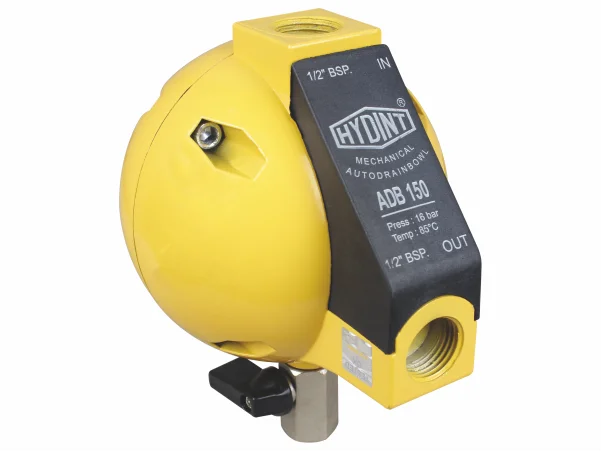
Compressed air systems are widely used in manufacturing plants, workshops, processing facilities, and automated production environments. While an air compressor generates compressed air efficiently, moisture and condensate can accumulate inside the system during operation. Proper drainage is therefore essential for maintaining air quality, protecting equipment, and supporting reliable system performance.
Selecting the right drain valve requires attention to several technical and operational factors. The correct choice depends on the compressor arrangement, condensate volume, operating pressure, installation location, and required drainage method. Air Compressor Drain Valve selection should always be based on the actual requirements of the compressed air system rather than simply choosing a valve by size.
Understand the Role of a Drain Valve
When atmospheric air is compressed, moisture present in the air can condense as the air cools. This condensate may collect in the compressor receiver, filters, dryers, separators, and other low points in the compressed air network.
If accumulated moisture is not removed properly, it can contribute to corrosion, contamination, reduced efficiency, and operational problems. A suitable drain valve allows accumulated condensate to be discharged from the system while helping prevent unnecessary loss of compressed air.
Consider the Drainage Location
The installation point has a major influence on valve selection. Drainage may be required at the bottom of an air receiver, filter housing, moisture separator, dryer, or other condensate collection point.
Each location can have different space limitations and drainage requirements. Before selecting a valve, identify the available connection, installation orientation, accessibility, and expected condensate accumulation.
A valve installed in a difficult-to-access location may benefit from an automatic drainage arrangement, while an easily accessible point may allow manual operation.
Evaluate Operating Pressure
The drain valve must be suitable for the pressure of the compressed air system. Selecting a valve with an appropriate pressure rating helps ensure safe and dependable operation.
System pressure should be considered together with temperature and the type of condensate being discharged. The valve should remain reliable under normal operating conditions and should not be selected solely according to the connection size.
Choose the Appropriate Drain Type
Different drainage methods are available for compressed air systems. Manual drain valves require an operator to open the valve periodically and remove accumulated condensate.
Automatic drain valves can discharge condensate without requiring frequent manual intervention. Some designs operate according to a timer, while others respond to the presence or level of condensate.
The appropriate type depends on how frequently condensate is generated, how accessible the drainage point is, and how much operator involvement is practical.
Key Selection Points
Before selecting a drain valve, consider the following factors:
-
Operating pressure and temperature
-
Drain connection size
-
Expected condensate volume
-
Manual or automatic operation
-
Installation location and accessibility
-
Material compatibility and service conditions
Evaluating these points together can help users select a suitable drainage solution for their compressed air equipment.
Material and Construction
Material selection is another important consideration. Drain valves may be manufactured using different metals and engineering materials depending on the intended application.
The valve should withstand the operating environment and resist deterioration caused by moisture, contaminants, temperature variations, or chemical exposure. Internal seals and other components should also be compatible with the system conditions.
For demanding industrial environments, construction quality can have a significant effect on service life and maintenance requirements.
Manual Versus Automatic Drainage
Manual drainage can be simple and economical, but it depends on regular inspection and operator involvement. If condensate is not drained on schedule, water can remain inside the system for extended periods.
Automatic drainage provides greater convenience by removing condensate at predetermined intervals or when accumulation reaches a specific level. This can be particularly useful in continuously operating facilities where regular manual drainage would be inconvenient.
However, automatic systems should also be inspected periodically to ensure that the mechanism remains clean and functional.
Maintenance Requirements
Even a properly selected drain valve requires routine maintenance. Dirt, oil, rust particles, and other contaminants can interfere with valve operation and cause blockage.
Regular inspection can help identify leakage, restricted drainage, damaged seals, or other operational issues. Drainage lines should remain clear, and the surrounding connections should be checked for signs of leakage.
A clean and properly maintained compressed air system can support better equipment performance and reduce avoidable maintenance problems.
Conclusion
Selecting a suitable drain valve is an important part of maintaining a reliable compressed air system. Pressure rating, drainage location, condensate volume, connection size, construction materials, and operating method should all be considered before making a selection.
A suitable drainage solution can help remove accumulated moisture, protect downstream equipment, and support consistent compressed air performance. Airmax Pneumatics Ltd provides pneumatic solutions where appropriate drainage and air preparation are important considerations. By matching the drain valve to the actual operating conditions and maintaining it properly, users can improve the reliability and efficiency of their compressed air systems.

 Arabic
 French
 Spanish
 Portuguese
 Deutsch
 Turkish
 Dutch
Dutch
 Italiano
 Russian
 Romaian
 Portuguese (Brazil)